Summary
- Fujifilm and World Press Photo have extended their partnership through 2030.
- Joint programmes are planned in up to 20 cities each year.
- Their previous work supported 21 exhibition sets and 39 events.
- GFX equipment will remain part of the top contest awards.
Fujifilm and World Press Photo are extending their partnership through 2030, with more international programming for photojournalists, exhibitions, portfolio reviews and continued support for the contest’s top winners.
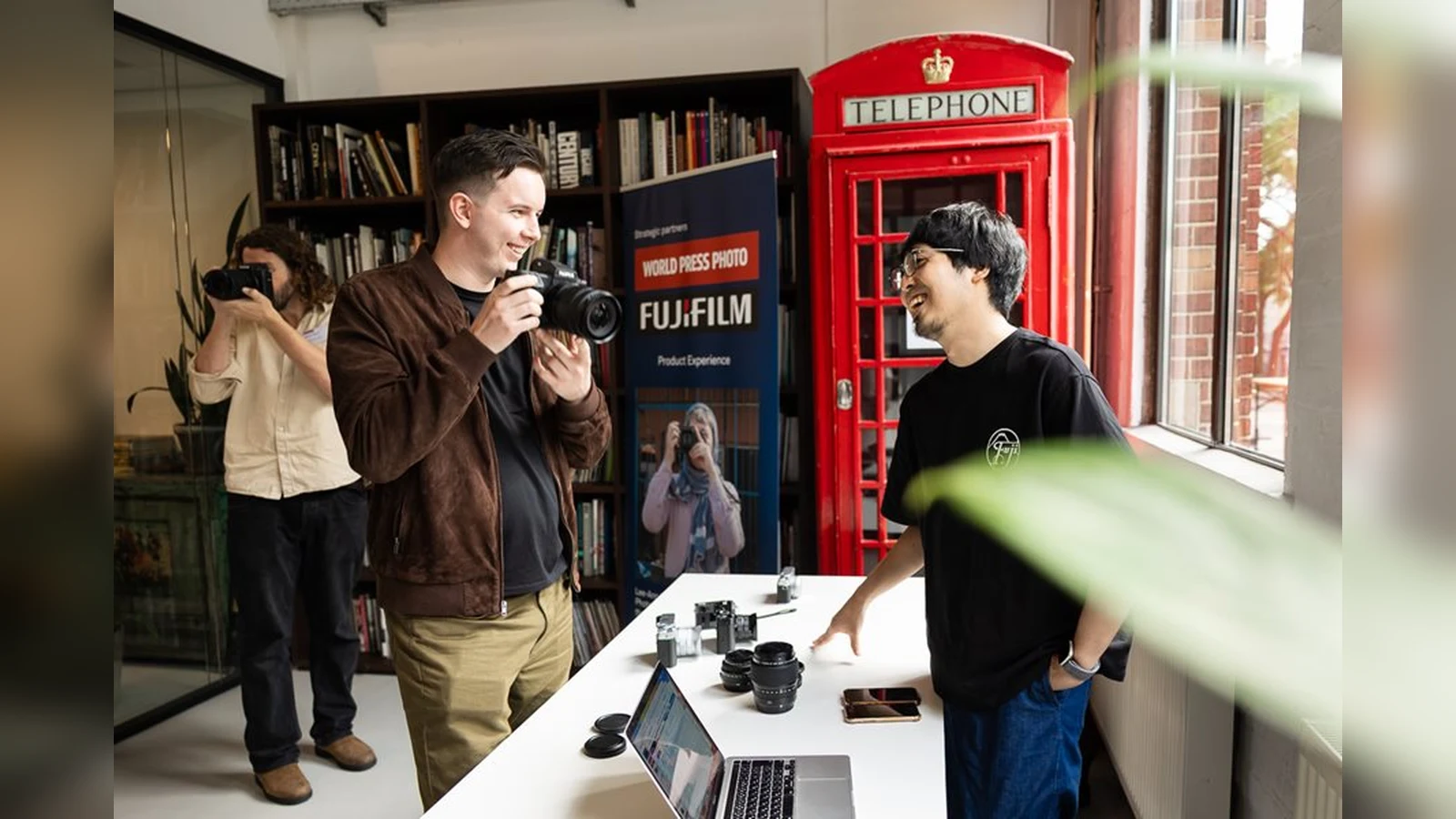
The agreement covers 2027–2030 and was presented at Fujikina New York on 16 October 2026 at the International Center of Photography. The two organisations first partnered in 2024.
21 exhibition sets and 39 events in three years
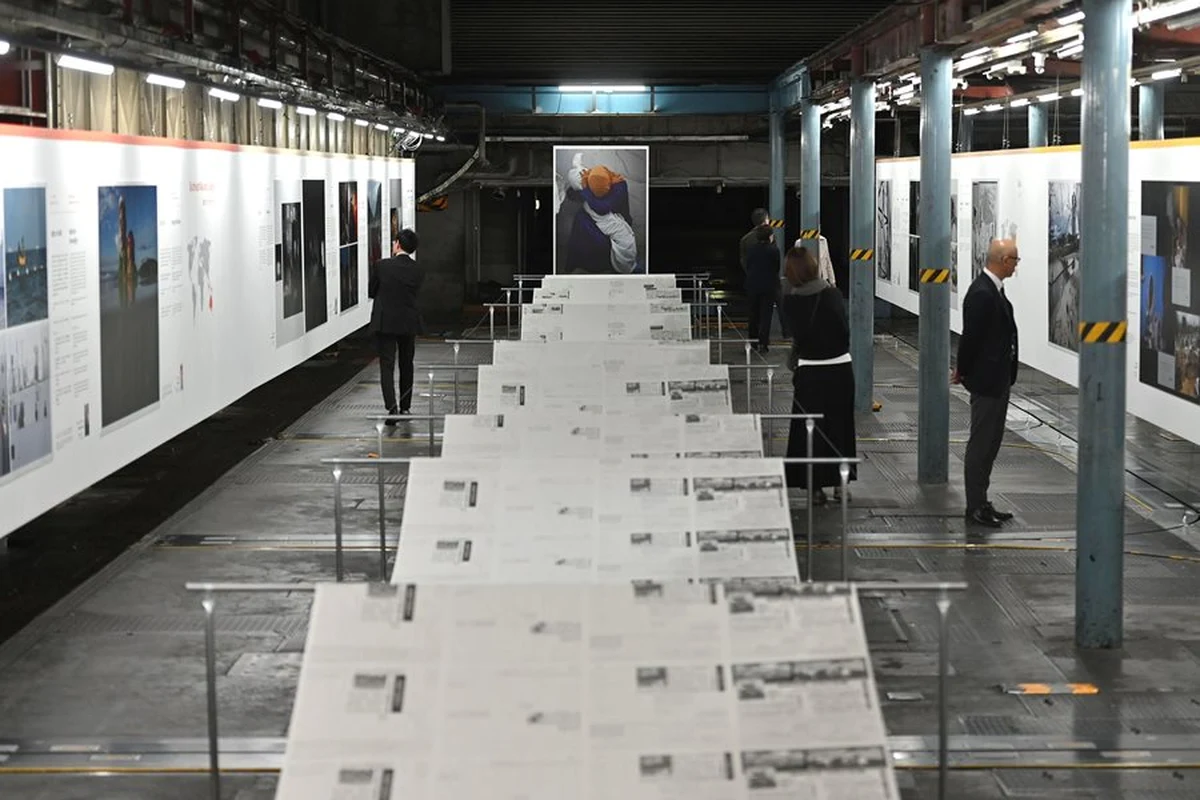
Fujifilm has supported production of 21 complete sets of the annual World Press Photo exhibition, providing photographic paper, mounting and framing. Multiple exhibition sets allow the awarded stories to reach audiences in different cities.
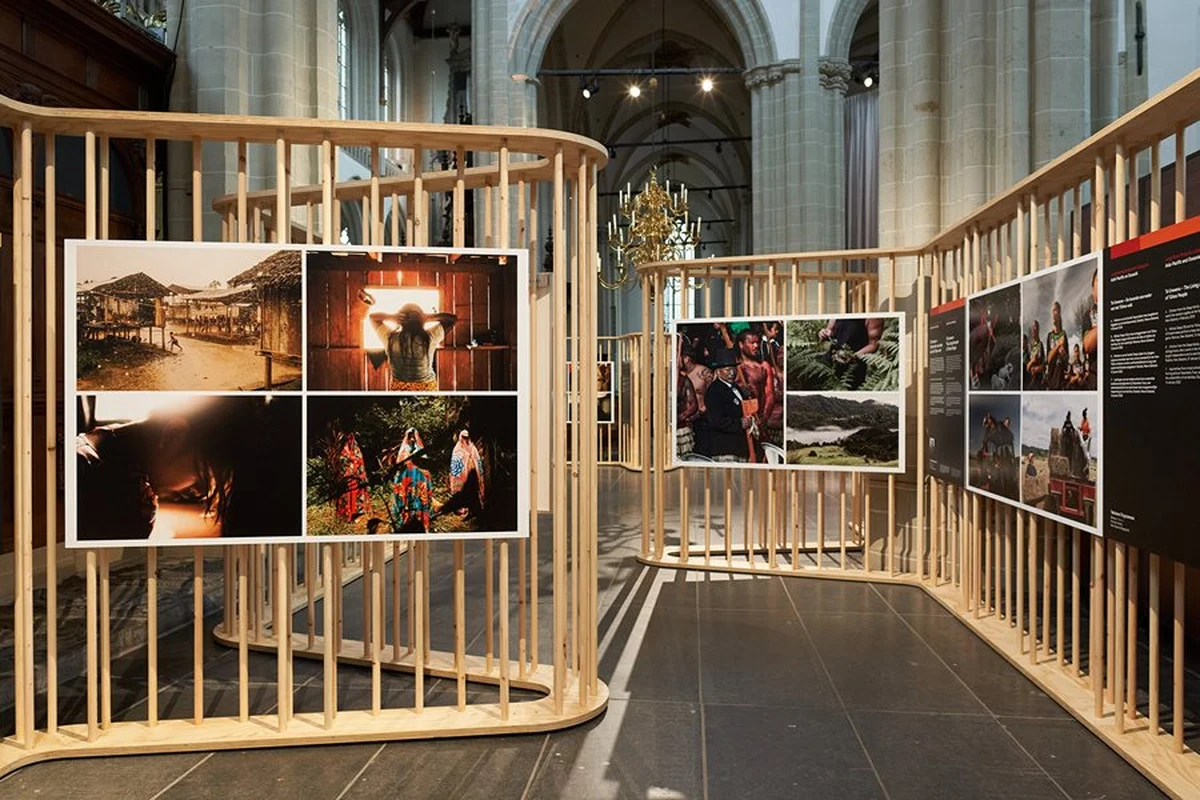
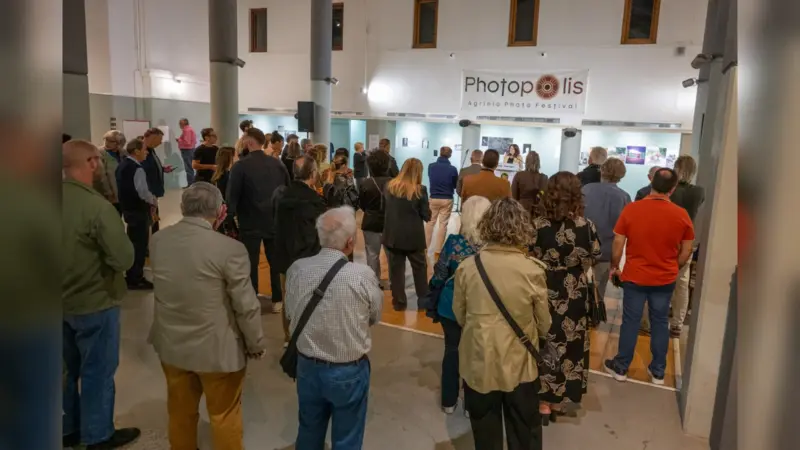
Together, the organisations have also hosted 39 workshops, portfolio reviews and public events, from Amsterdam and Jakarta to Mexico City and New York. For photographers developing long-term projects, informed professional feedback can be as valuable as international visibility.

Portfolio reviews and talks in up to 20 cities each year
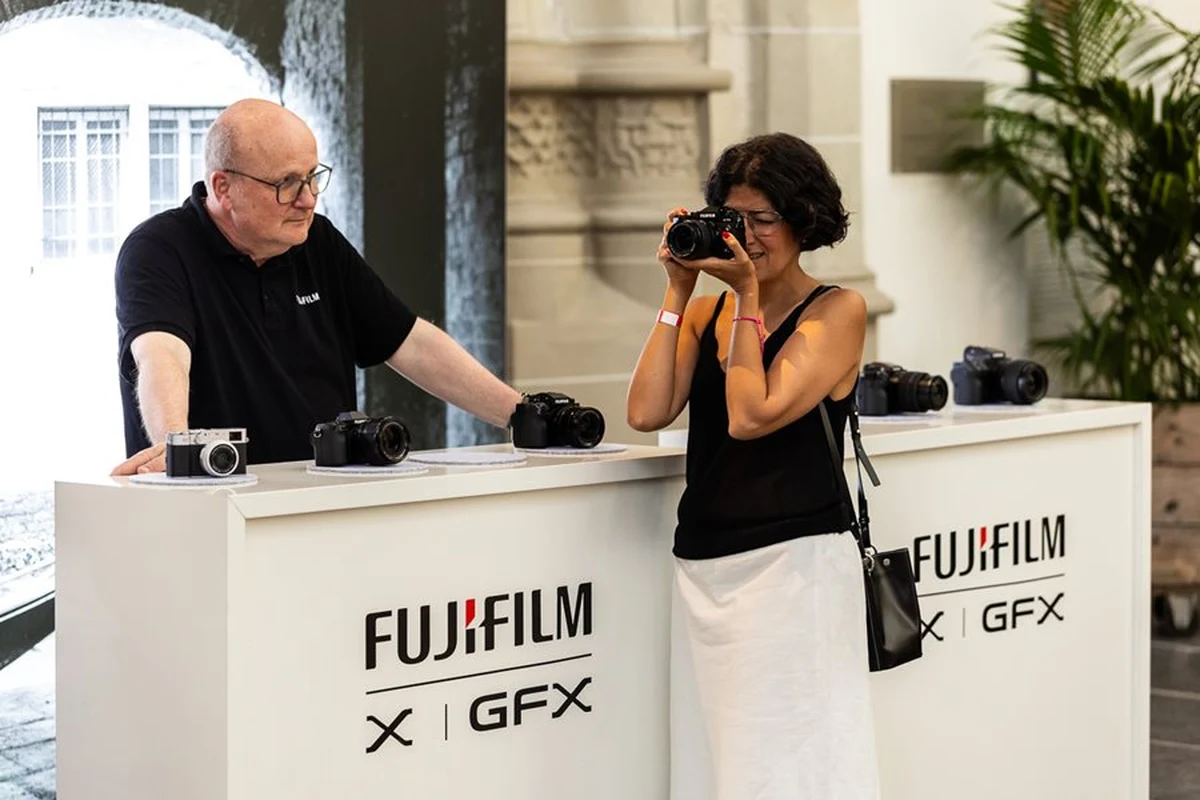
For 2027–2030, joint programming is planned in up to 20 cities annually. Activities will include technical workshops, portfolio reviews and talks by World Press Photo Contest winners. World Press Photo will also contribute to Fujikina programming around the world.
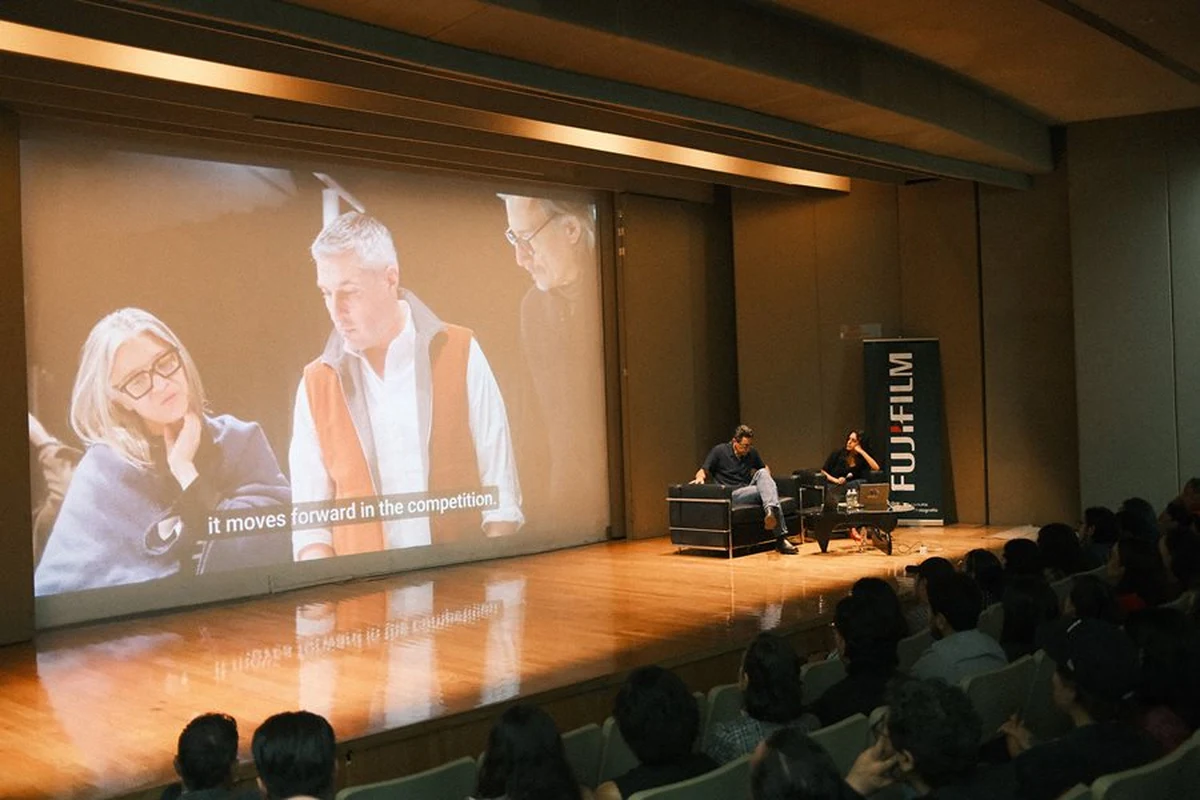
A complete schedule of cities, dates and application arrangements has not yet been published. The figure of 20 is an annual programme ceiling, not a guarantee of 20 events every year or free admission.
GFX equipment for the contest’s top award recipients
Fujifilm will continue providing GFX System camera equipment to the World Press Photo of the Year winner and the two finalists. The renewal does not specify the exact camera model or lens combination for each future edition.
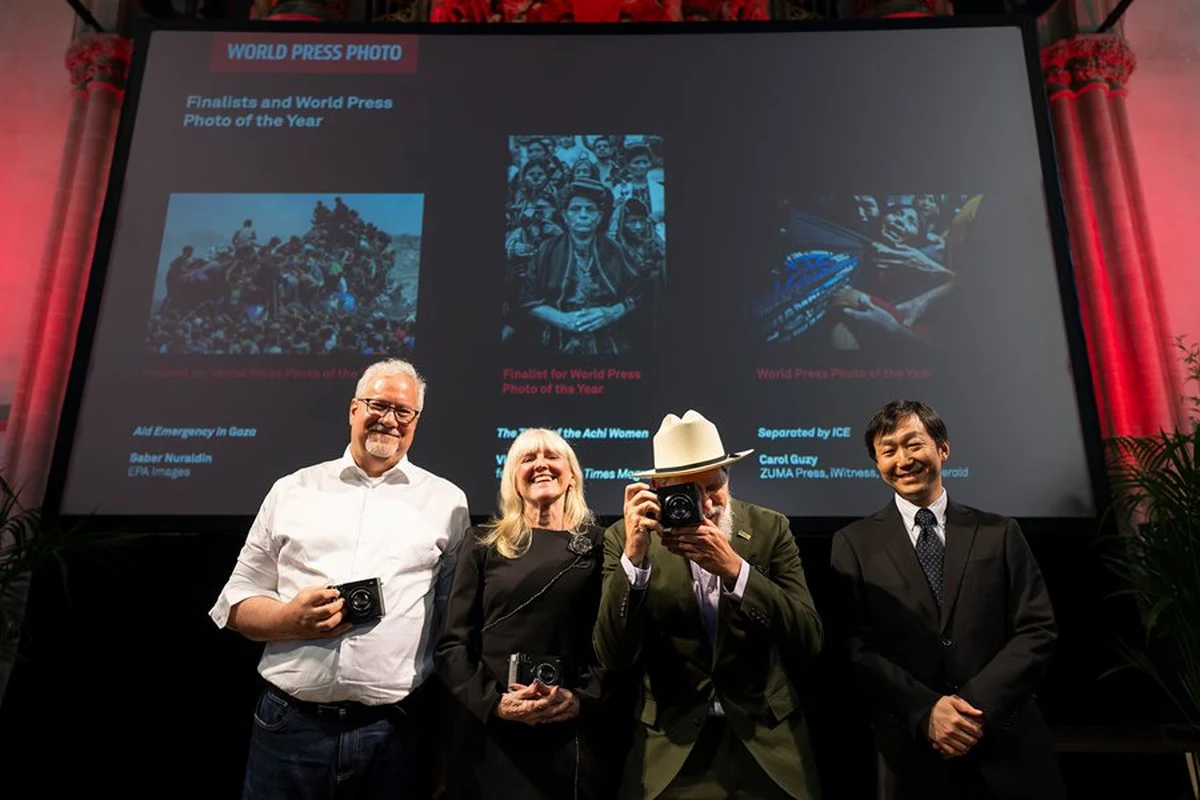
In the 2026 contest, Carol Guzy won the 2026 World Press Photo of the Year for Separated by ICE, while 42 photographers were recognised in the 2026 contest. Camera equipment is a useful addition to the awards, though recognition and worldwide exposure remain the broader professional benefit.
Why long-term support matters
The agreement arrives as the competition evolves: six additional nature and sports awards in 2027 have been announced for 2027. Those distinctions are a separate World Press Photo decision, not a change attributed to Fujifilm.
World Press Photo executive director Joumana El Zein Khoury highlights opportunities to extend international reach and strengthen local programming. Fujifilm Imaging Solutions Division general manager Yuji Igarashi emphasises the role of reliable visual storytelling.
What we think
The most meaningful part of this agreement is not the cameras given to award recipients. It is support for the physical production of exhibitions and opportunities to meet professionals who can help photographic projects develop. For independent photojournalists, those connections are far from guaranteed.
The plan for up to 20 cities annually is especially interesting because geography still shapes access to professional networks. We would like to see programmes beyond established international photography centres, with clear participation terms for photographers with limited resources.
A camera manufacturer’s relationship with an independent photojournalism organisation also requires clear boundaries. The support can be valuable, provided selection, judging and editorial decisions remain independent of the sponsor’s commercial interests. The tangible outcome will depend on which photographers gain access to the new programmes and what they can take away from them.