Sponsored

Masters of Light

A curated collection of the photographers who defined the way we see the world — from decisive moments to surrealist visions.

Explore
The Photographers

Henri Cartier-Bresson
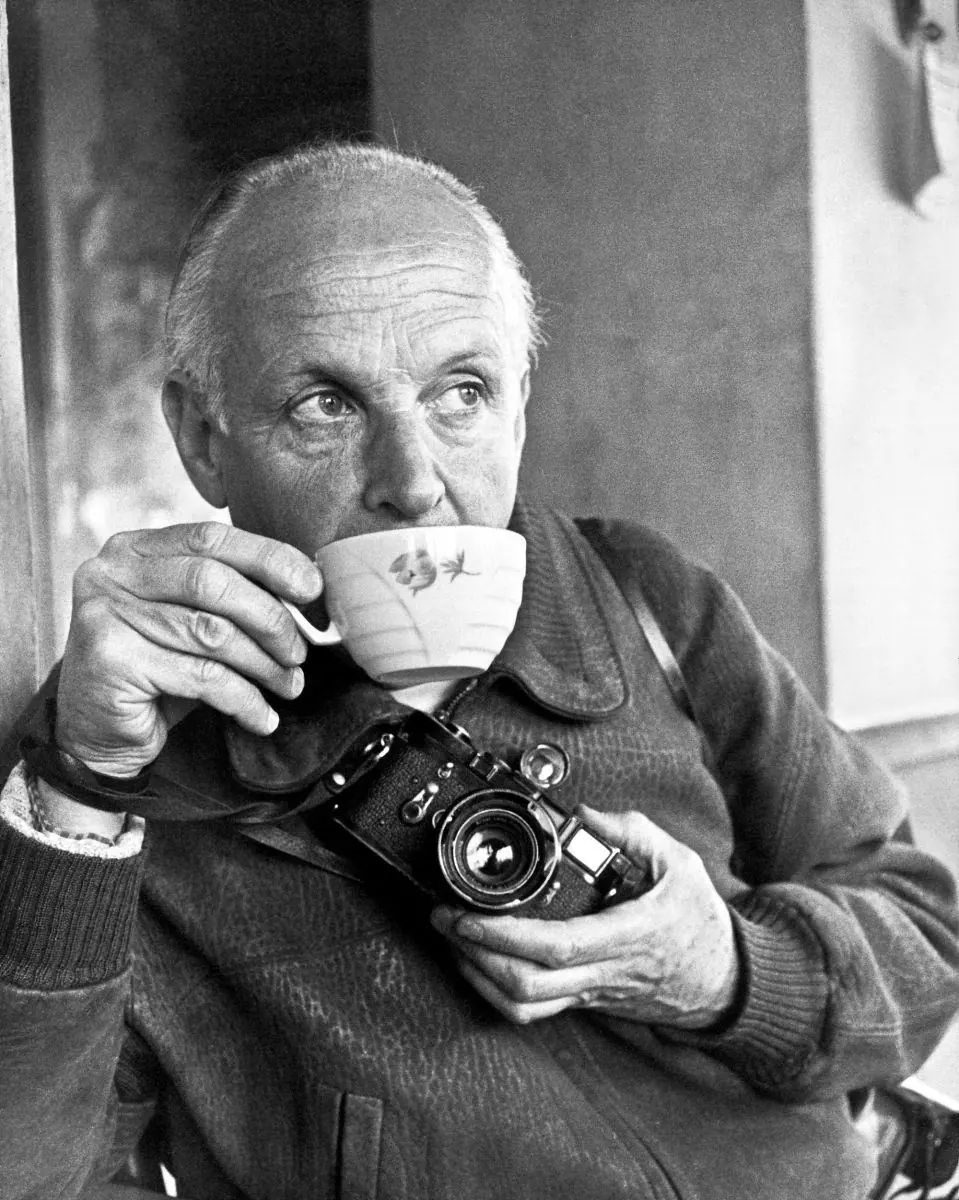
Henri Cartier-Bresson portrait
Street Photography & Photojournalism
1908 — 2004
France

Regarded as the father of modern photojournalism and a pioneer of street photography. He co-founded Magnum Photos in 1947 and defined the idea of the "decisive moment", capturing life in a fleeting, spontaneous instant with his 35mm Leica.

Movement Magnum Photos
Camera Leica 35mm

Iconic Work

Behind the Gare Saint-Lazare

1932

In their words

“Your first 10,000 photographs are your worst.”
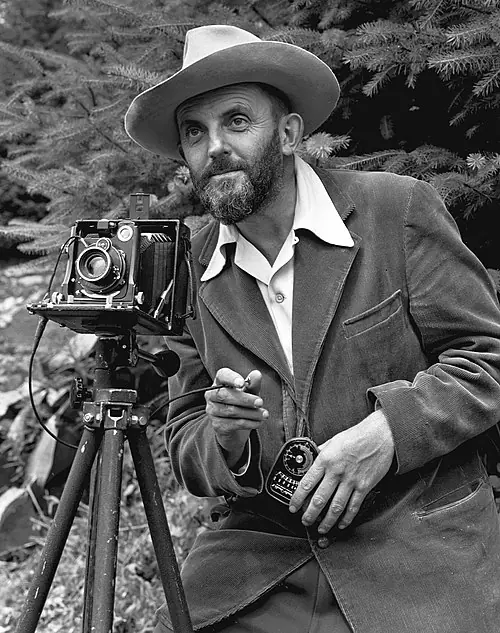
Ansel Adams

Ansel Adams portrait
Landscape Photography
1902 — 1984
USA

The defining voice of the American wilderness in black and white. Adams developed the Zone System for precise exposure control and co-founded Group f/64, championing sharp-focus realism. A passionate environmentalist, his images of the American West helped establish photography as a fine art.

Technique Zone System
Group f/64

Iconic Work

Moonrise, Hernandez, New Mexico

1941

In their words

“You don't take a photograph, you make it.”

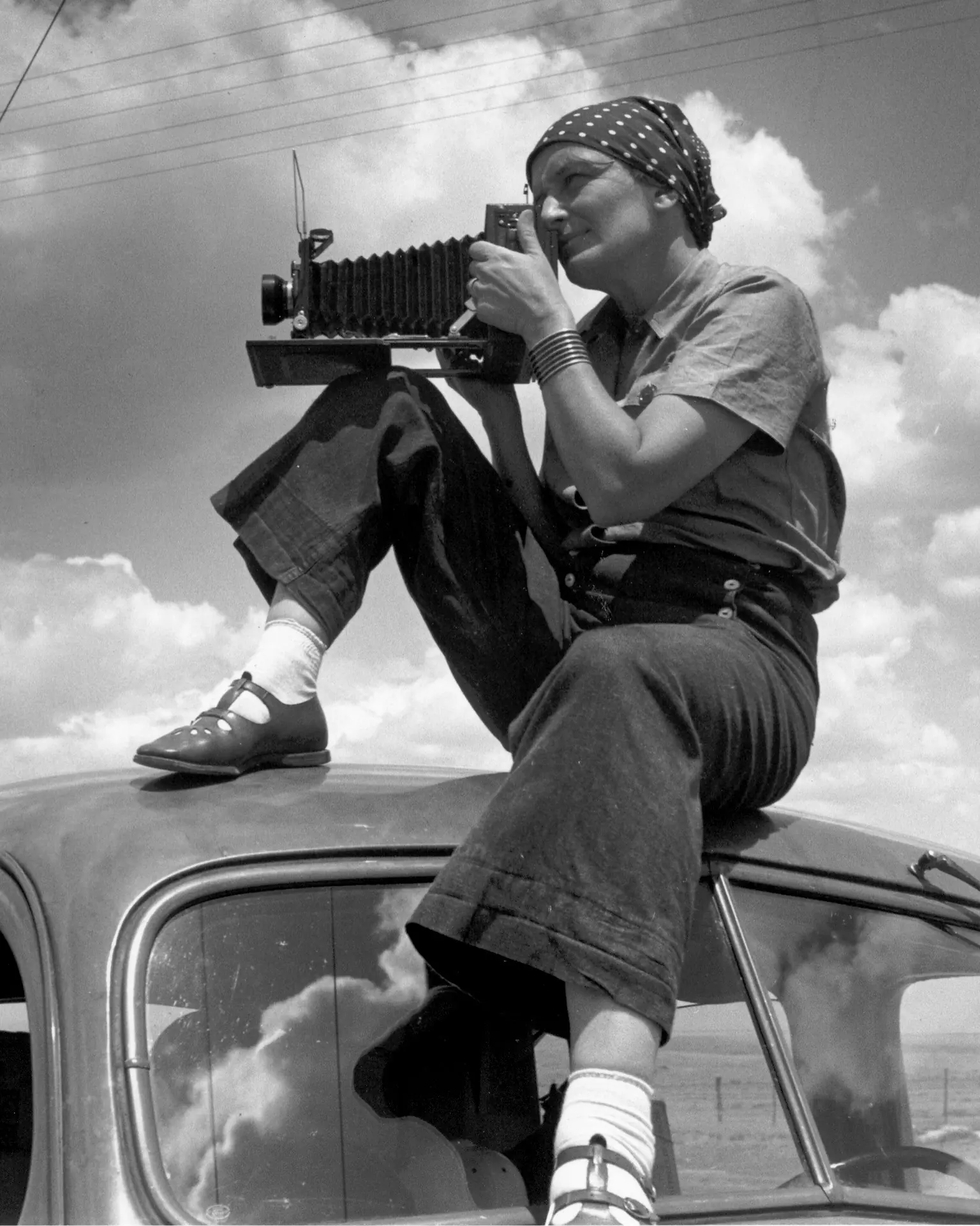
Dorothea Lange

Dorothea Lange portrait
Documentary Photography
1895 — 1965
USA

Her unflinching photographs of Depression-era America for the Farm Security Administration gave a face to poverty and displacement. "Migrant Mother" became the most iconic image of the Great Depression.

Agency FSA
Focus Human dignity

Iconic Work

Migrant Mother

1936

In their words

“The camera is an instrument that teaches people how to see without a camera.”

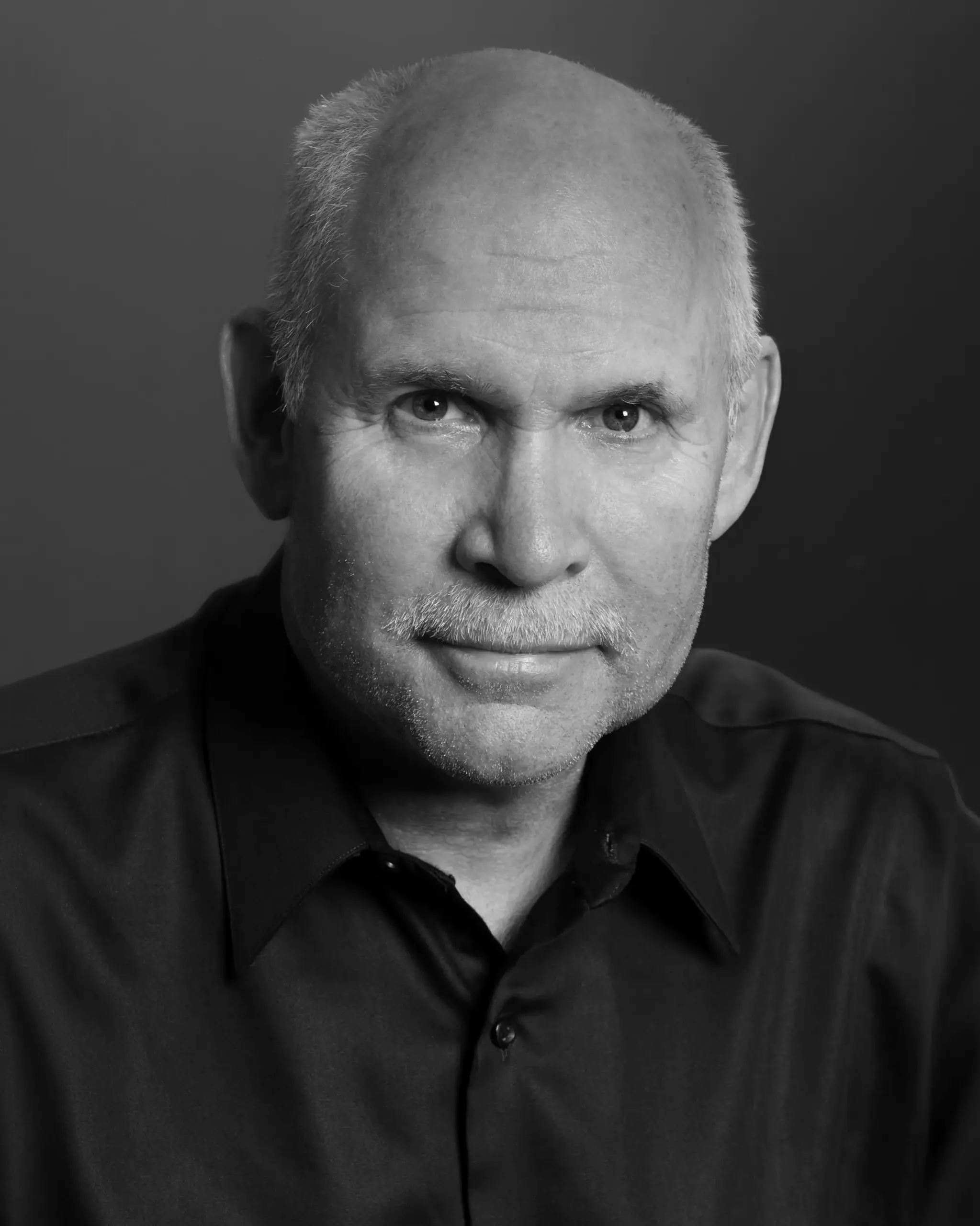
Steve McCurry

Steve McCurry portrait
Photojournalism & Portraiture
1950 — σήμερα
USA

A Magnum Photos member since 1986, McCurry is known for vivid colour photography that captures human resilience in conflict zones. His "Afghan Girl" cover for National Geographic became one of the most recognisable photographs in history.

Agency Magnum Photos
Film Kodachrome

Iconic Work

Afghan Girl

1984

In their words

“If you wait, people will forget your camera and the soul will drift up into view.”

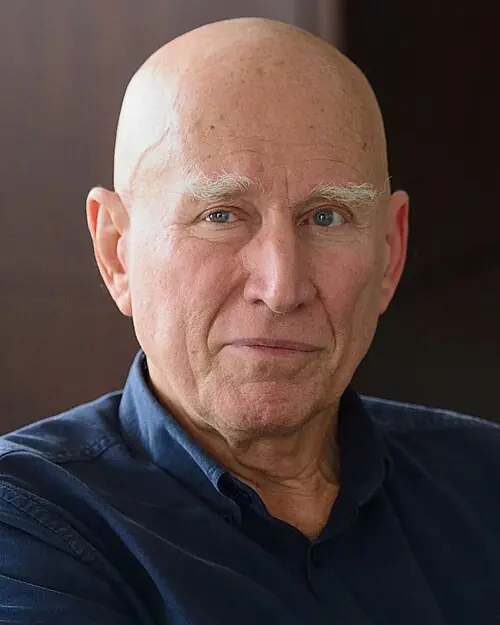
Sebastião Salgado

Sebastião Salgado portrait
Social Documentary
1944 — 2025
Brazil

A former economist who traded spreadsheets for a camera, Salgado spent decades documenting the lives of the world's most marginalised people in epic black-and-white compositions. His projects "Workers" and "Genesis" are monumental bodies of work spanning years and continents.

Projects Workers, Genesis
Legacy Instituto Terra

Iconic Work

Gold Mine, Serra Pelada, Brazil

1986

In their words

“I hope that the person who visits my exhibitions, and the person who comes out, are not quite the same.”

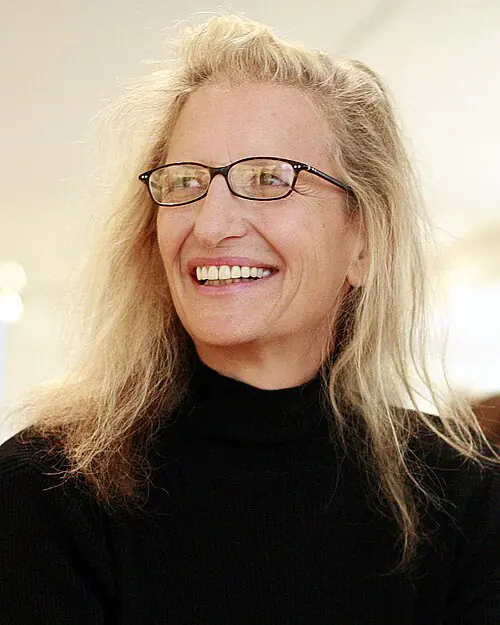
Annie Leibovitz

Annie Leibovitz portrait
Portrait Photography
1949 — σήμερα
USA

From chief photographer at Rolling Stone to the visual architect of Vanity Fair, Leibovitz has defined the celebrity portrait for half a century with theatrical, meticulously staged compositions. She was the last person to photograph John Lennon professionally, just five hours before he was killed.

Magazines Rolling Stone, Vanity Fair
Honour Living Legend

Iconic Work

John Lennon and Yoko Ono

1980

In their words

“A thing that you see in my pictures is that I was not afraid to fall in love with these people.”

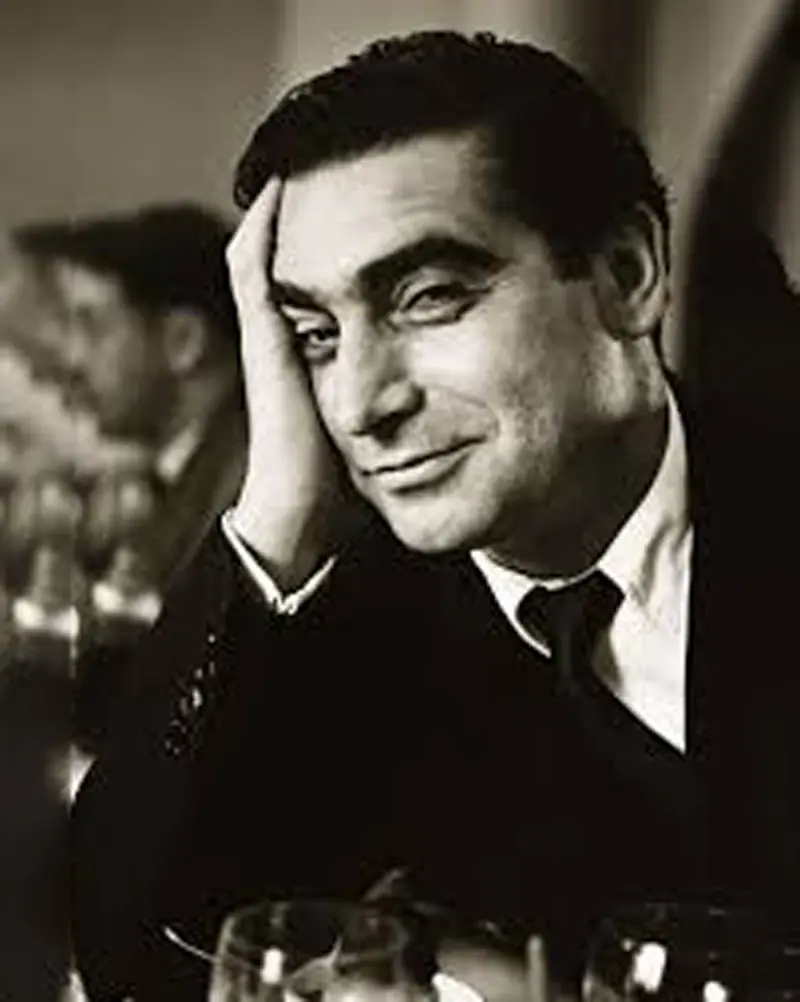
Robert Capa

Robert Capa portrait
War Photography
1913 — 1954
Hungary / USA

The most celebrated war photographer in history, Capa covered five wars, from the Spanish Civil War to French Indochina, where a landmine killed him at 40. He co-founded Magnum Photos in 1947 with Cartier-Bresson.

Wars 5
Legacy Magnum co-founder

Iconic Work

The Falling Soldier

1936

In their words

“If your pictures aren't good enough, you're not close enough.”

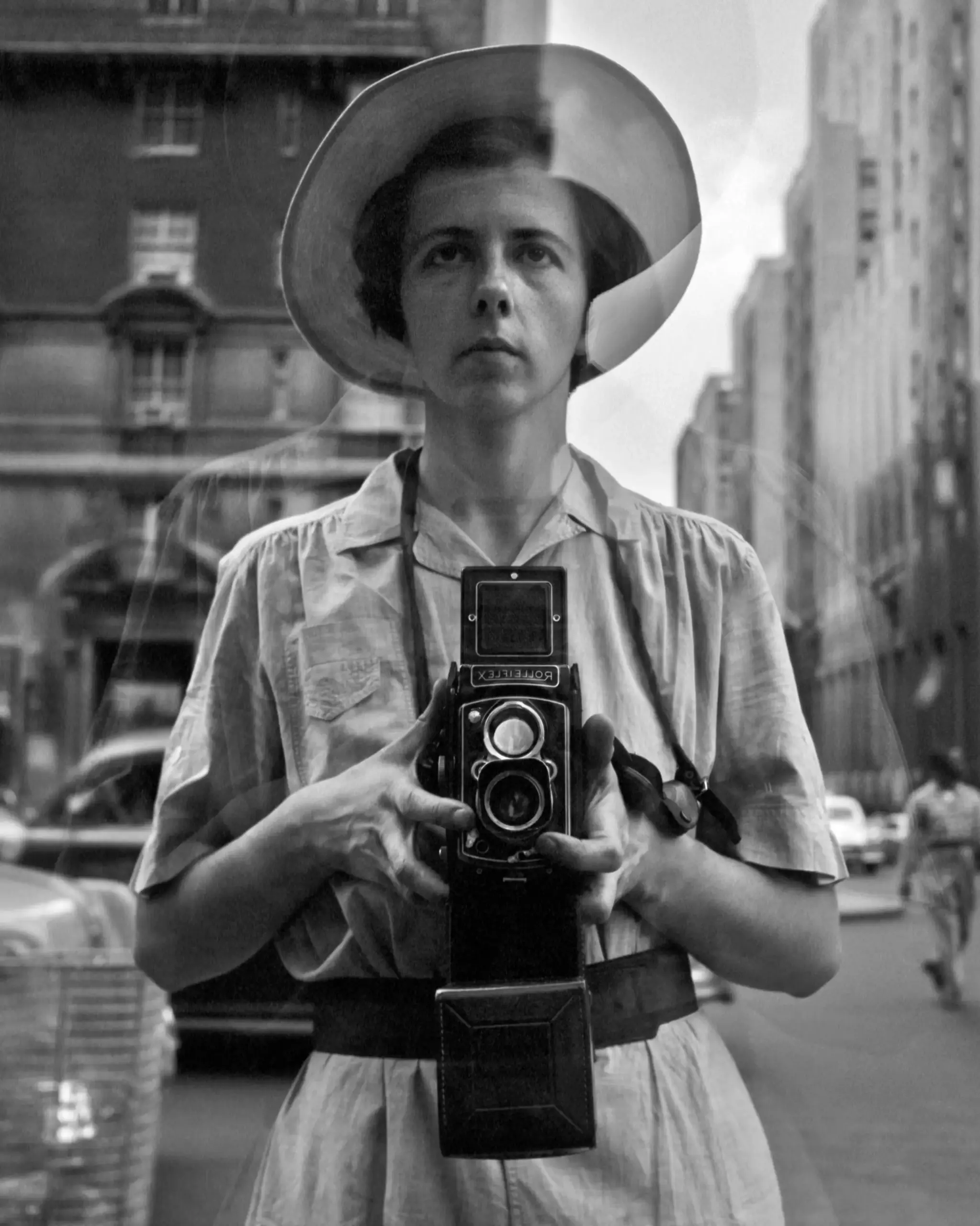
Vivian Maier

Vivian Maier portrait
Street Photography
1926 — 2009
USA

A private nanny who secretly made more than 150,000 photographs of everyday life in Chicago and New York without ever showing her work. Her vast archive was discovered at a storage-locker auction in 2007, revealing one of the most remarkable bodies of street photography.

Negatives 150,000+
Camera Rolleiflex

Iconic Work

Self-Portrait (Mirror Reflections)

1950s–1970s

In their words

“We have to make room for other people. It's a wheel — you get on, you go to the end, and someone else has the same opportunity.”

Richard Avedon

Richard Avedon portrait
Fashion & Portrait Photography
1923 — 2004
USA

Avedon brought energy and emotion to a fashion photography that had been static and stiff, showing models laughing, running and living. His stark white-background portraits revealed raw humanity without pretence.

Magazines Harper's Bazaar, Vogue
Style White background

Iconic Work

Dovima with Elephants

1955

In their words

“All photographs are accurate. None of them is the truth.”

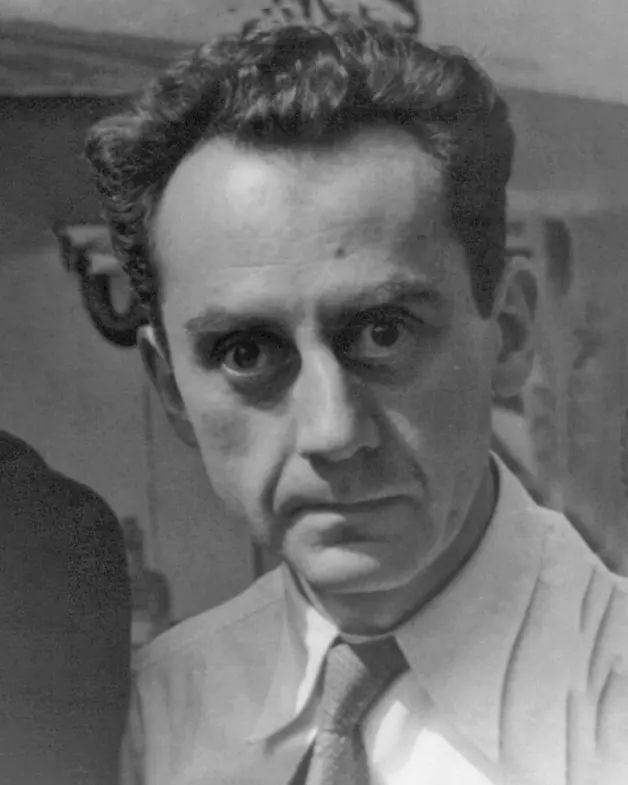
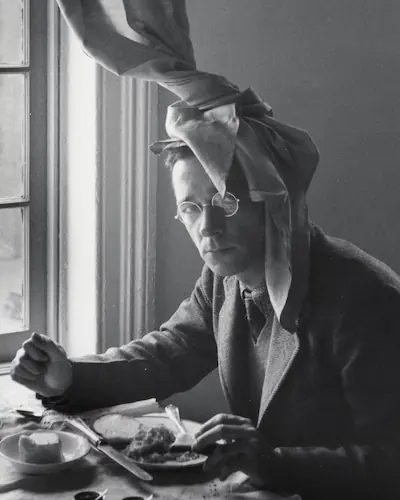
Man Ray

Man Ray portrait
Surrealist & Avant-Garde
1890 — 1976
USA / France

A key figure of both Dada and Surrealism, Man Ray treated the camera as a tool for artistic experiment rather than documentation. He invented the "rayograph", a cameraless photogram technique, and pioneered the solarisation that influenced generations of artists.

Movement Dada, Surrealism
Invention Rayograph

Iconic Work

Le Violon d'Ingres

1924

In their words

“An original is a creation motivated by desire. Any reproduction of an original is motivated by necessity.”

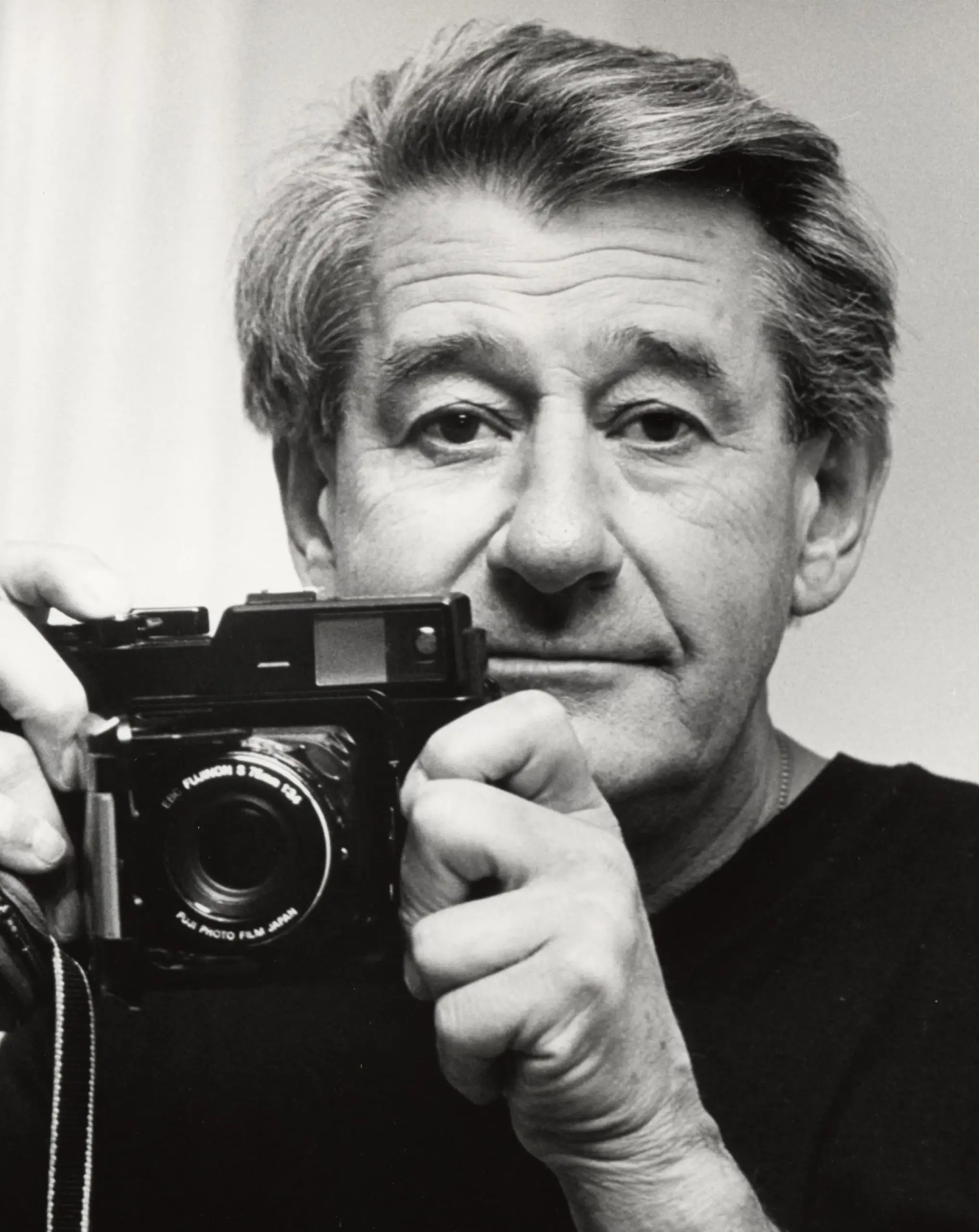
Helmut Newton

Helmut Newton portrait
Fashion & Nude Photography
1920 — 2004
Germany / Australia

Newton's provocative, erotically charged fashion photographs redefined the genre with images of strong, dominant women that were as controversial as they were influential. He fled Nazi Germany as a young Jew and built his career in Australia before conquering the pages of Vogue and Elle.

Magazines Vogue, Elle
Series Big Nudes

Iconic Work

Big Nude III (Henrietta)

1980

In their words

“Some people's photography is an art. Not mine. Mine is a truth. I'm a truth-teller.”

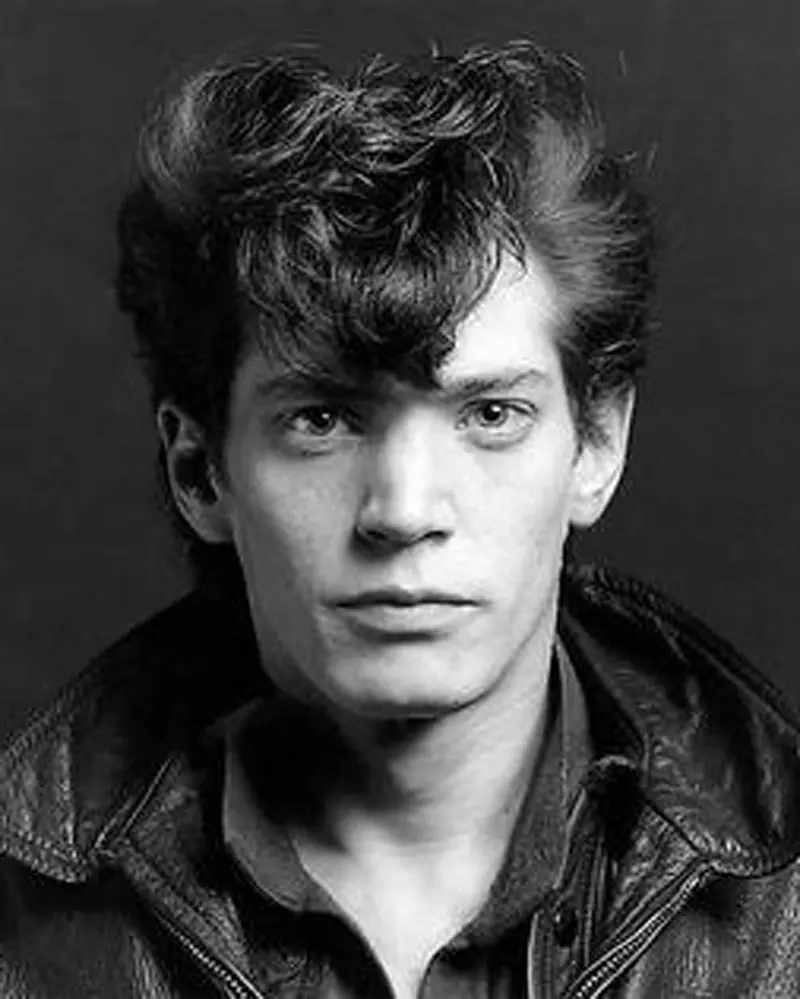
Robert Mapplethorpe

Robert Mapplethorpe portrait
Fine Art Photography
1946 — 1989
USA

Mapplethorpe raised photography to high art with technically flawless black-and-white images of flowers, celebrity portraits and the human body, often pushing the limits of what galleries were willing to show. His work sparked a national debate on art, censorship and public funding.

Foundation Mapplethorpe Foundation
Subjects Flowers, Portraits, the Body

Iconic Work

Self-Portrait

1980

In their words

“I am obsessed with beauty. I want everything to be perfect, and of course it isn't. And that's a tough place to be because you're never satisfied.”

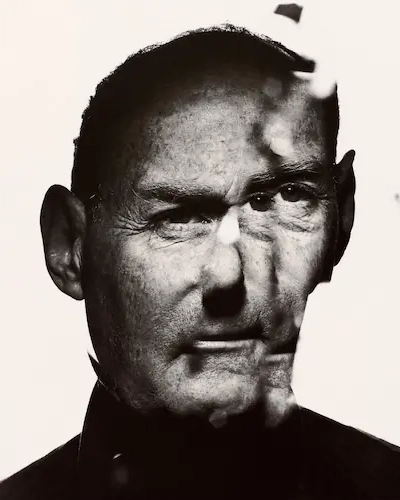
Irving Penn

Irving Penn portrait
Fashion, Portrait & Still Life
1917 — 2009
USA

Irving Penn gave fashion and portrait photography a rigorous, almost sculptural clarity. Over more than 60 years at Vogue he proved that a commercial image can stand as fine art, and his still lifes and portraits remain a lesson in composition and light.

Magazine Vogue
Printing Platinum-palladium

Iconic Work

Small Trades

1950–1951

In their words

“A good photograph is one that communicates a fact, touches the heart, and leaves the viewer a changed person for having seen it.”

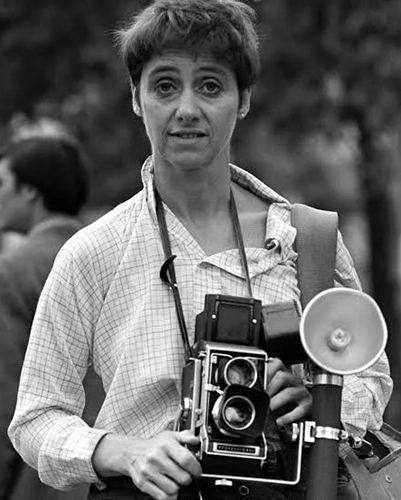
Diane Arbus

Diane Arbus portrait
Portraiture & Social Documentary
1923 — 1971
USA

Diane Arbus approached people the mainstream gaze usually ignored or feared, turning the portrait into a field of tension and revelation. Her square, direct images radically changed the way photography speaks about identity, difference and normality.

Format Square
Subject The unseen

Iconic Work

Identical Twins, Roselle, New Jersey

1967

In their words

“A photograph is a secret about a secret. The more it tells you the less you know.”

Walker Evans

Walker Evans portrait
Documentary & American Vernacular
1903 — 1975
USA

Walker Evans shaped modern American documentary photography with a cool, precise and deeply literary eye. From the FSA to his books and series, he recorded the surfaces of everyday life as cultural documents built to last for centuries.

Agency FSA
Book American Photographs

Iconic Work

American Photographs

1938

In their words

“Stare. It is the way to educate your eye, and more. Stare, pry, listen, eavesdrop. Die knowing something. You are not here long.”

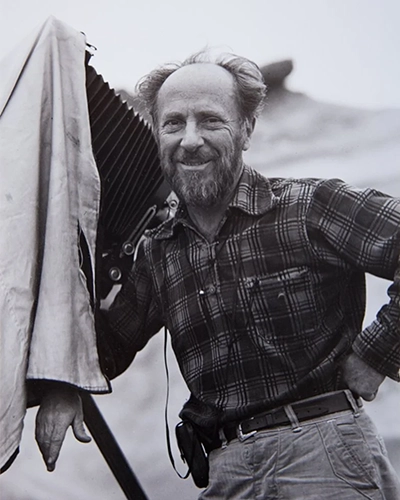
Edward Weston

Edward Weston portrait
Still Life, Nude & Landscape
1886 — 1958
USA

Edward Weston was one of the great modernists of photography, turning peppers, shells, nudes and sand dunes into pure forms of light and volume. With his large-format camera and the spirit of f/64, he pushed the medium towards absolute detail and discipline.

Group f/64
Aesthetic Sharp-focus modernism

Iconic Work

Pepper No. 30

1930

In their words

“Now one need not suffer to photograph. One suffers if one does not photograph.”

William Eggleston

William Eggleston portrait
Colour Fine Art Photography
1939 — σήμερα
USA

William Eggleston is credited with legitimising colour photography as a serious artistic language. With seemingly simple images of the American South, everyday objects and overlooked street corners, he proved that colour can be poetry and observation at once.

Technique Dye-transfer
Region American South

Iconic Work

William Eggleston's Guide

1976

In their words

“The world is at least fifty percent invisible.”

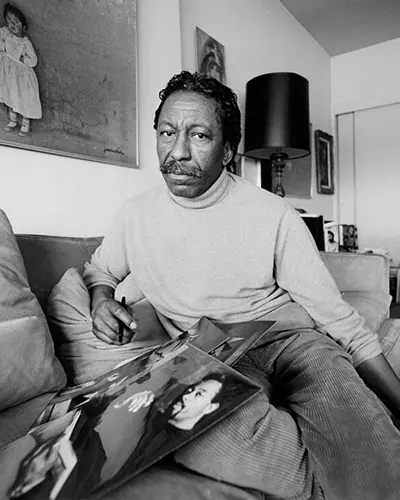
Gordon Parks

Gordon Parks portrait
Documentary, Portrait & Social Commentary
1912 — 2006
USA

Gordon Parks used photography as a weapon against racism, poverty and injustice, while moving with ease between LIFE, fashion and cinema. His work unites political sensitivity with a deeply humane, lyrical eye.

Magazines LIFE, Vogue
Subject Civil rights

Iconic Work

American Gothic, Washington, D.C.

1942

In their words

“I chose my camera as a weapon against all the things I dislike about America.”

Cindy Sherman

Cindy Sherman portrait
Conceptual Portraiture & Staged Photography
1954 — σήμερα
USA

Cindy Sherman opened photography to the conceptual and the postmodern, using herself not as a self-portrait but as a field of disguise and roles. Her series revealed how constructed identity, gender, social image and photographic narrative itself really are.

Series Untitled Film Stills
Role Artist as subject

Iconic Work

Untitled Film Stills

1977–1980

In their words

“When I hear the word self-portrait, I roll my eyes.”

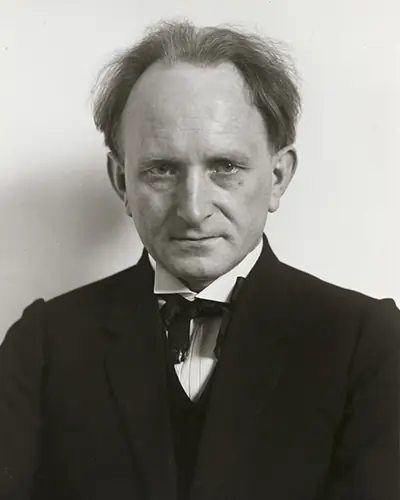
August Sander

August Sander portrait
Portrait Typology & Social Documentary
1876 — 1964
Germany

August Sander attempted something almost unthinkable: to map an entire society through portraits. His monumental project People of the 20th Century shaped typological photography, portraiture and the way the camera can read social classes and roles.

Project People of the 20th Century
Method Typology

Iconic Work

People of the 20th Century

1910s–1950s

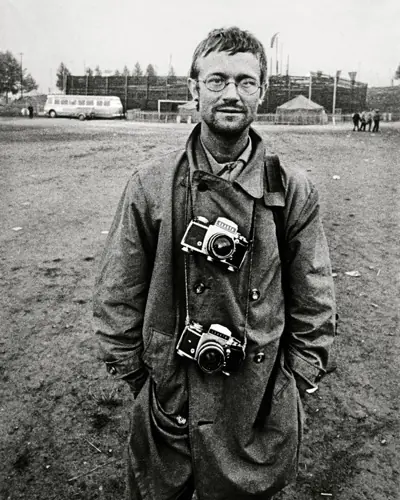
Josef Koudelka

Josef Koudelka portrait
Photojournalism, Exile & Landscape
1938 — σήμερα
Czech Republic / France

Josef Koudelka became a legend with his images of the 1968 Soviet invasion of Prague, but his work reaches far beyond it: Roma communities, exile, panoramic landscapes and wounded geographies. His photography combines document, poetry and a deep sense of wandering.

Agency Magnum Photos
Series Gypsies, Exiles

Iconic Work

Gypsies

1962–1971

In their words

“You get up in the morning, get out, and go to look.”

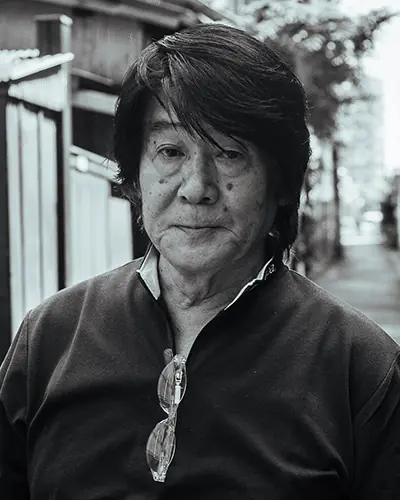
Daido Moriyama

Daido Moriyama portrait
Japanese Street Photography
1938 — σήμερα
Japan

Daido Moriyama pushed street photography towards a raw, nervous and deeply personal language. With the are-bure-boke aesthetic of grain, blur and restless wandering through Japan's megacities, he became one of the central figures of post-war photography.

Movement Provoke era
Aesthetic Are-bure-boke

Iconic Work

Farewell Photography

1972

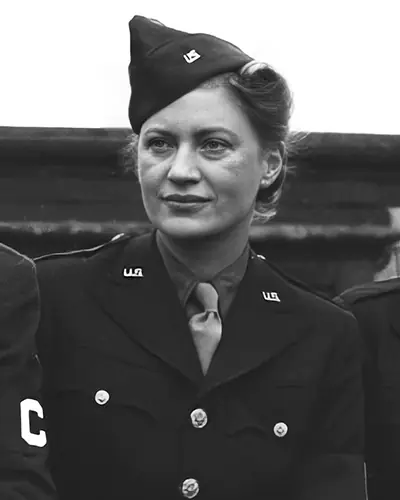
Lee Miller

Lee Miller portrait
Surrealism, Fashion & War Photography
1907 — 1977
USA / United Kingdom

Lee Miller lived several remarkable lives in one: model, Surrealist photographer, fashion photographer and war correspondent. From Man Ray's Paris to the concentration camps and post-war Europe, her work carries daring, wit and historical weight all at once.

Magazine Vogue
War WWII correspondent

Iconic Work

Portrait of Space

1937

In their words

“I'd rather take a picture than be one.”

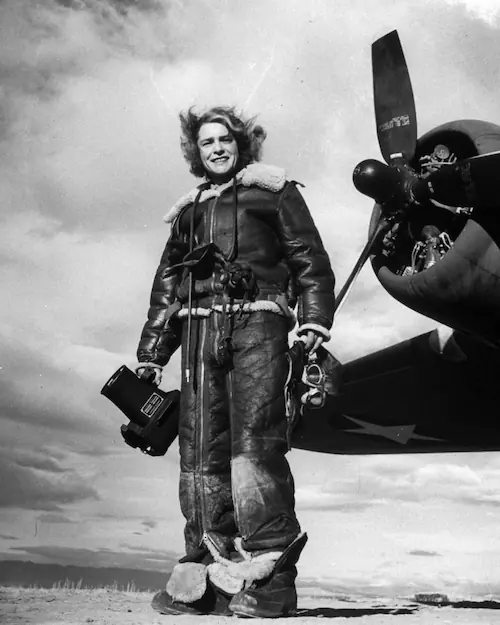
Margaret Bourke-White

Margaret Bourke-White portrait
Industrial Photography & Photojournalism
1904 — 1971
USA

Margaret Bourke-White was one of the great pioneers of photojournalism: industry, the Soviet Union, the Second World War, India and Depression-era America. With bold graphic compositions and undeniable courage, she put photography at the centre of 20th-century journalism.

Magazines Fortune, LIFE
Firsts Combat pioneer

Iconic Work

Fort Peck Dam, Montana

1936

In their words

“Nothing attracts me like a closed door.”

Voula Papaioannou

Voula Papaioannou portrait
Documentary photography, humanist photography, landscape, antiquities
1898 — 1990
Greece

Voula Papaioannou (1898–1990) photographed Athens in war and occupation: the 1940 mobilisation, soldiers wounded on the Albanian front and the victims of the 1941–42 famine. After liberation she headed the UNRRA photographic section and documented the devastated countryside. In 1976 she handed her archive, about 12,500 negatives, to the Benaki Museum.

Archive Benaki Museum
UNRRA Head of photography

Iconic Work

Child of the famine, Athens

1941–1942

In their words

“Γενικά, από αγάλματα άρχισα. Και παρέμεινα πάντοτε ερασιτέχνης.”

Constantine Manos

Constantine Manos portrait
Documentary, street photography, colour photography
1934 — 2025
USA (Greek-American)

Constantine Manos (1934–2025), the son of Greek immigrants in South Carolina, lived in Greece in the early 1960s and photographed the villages of Crete, Karpathos and the Mani. That work brought him to Magnum in 1963 and became the book A Greek Portfolio (1972). He later turned to colour with American Color (1995).

Magnum Member since 1963
Book A Greek Portfolio (1972)

Iconic Work

Woman at graveside, Pyrgos Dirou, Mani

1962

In their words

“I am a people photographer and have always been interested in people.”

Yannis Behrakis

Yannis Behrakis portrait
Photojournalism, war photography, news photography
1960 — 2019
Greece

Yannis Behrakis (1960–2019) was a Greek photojournalist who worked for Reuters for more than three decades. He covered wars and crises from Bosnia, Chechnya and Kosovo to Afghanistan, Iraq and Libya. In 2015 he led the Reuters team that documented the refugee crisis in the Aegean and at Idomeni, which won the 2016 Pulitzer Prize.

Agency Reuters
Pulitzer 2016

Iconic Work

A Syrian father kisses his daughter in the rain, Idomeni

2015

In their words

“My mission is to make sure that nobody can say: 'I didn't know'.”

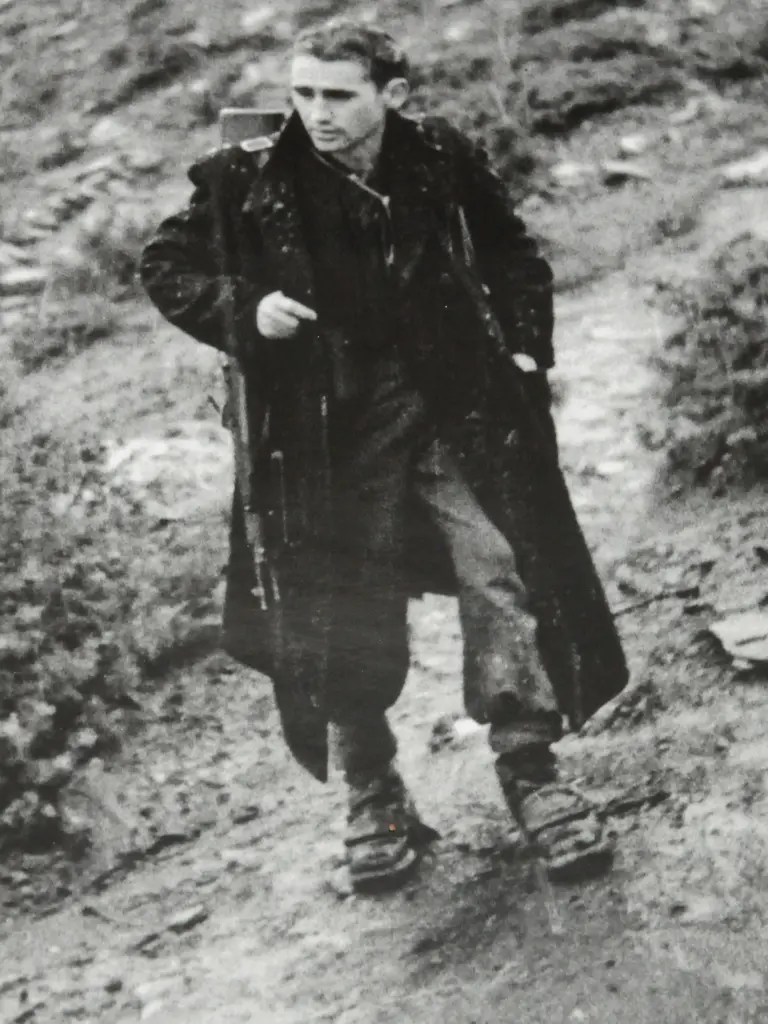
Kostas Balafas

Kostas Balafas portrait
Documentary, war photography, humanist photography
1920 — 2011
Greece

Kostas Balafas (1920–2011) was born in the Tzoumerka mountains and photographed the Resistance in Epirus as an ELAS fighter, leaving one of the few photographic records of it made from the inside. After the war he worked for the Public Power Corporation and travelled Greece, often on foot, recording rural life. In 2008 he gave his archive, some 15,000 negatives, to the Benaki Museum.

Unit 85th ELAS Regiment
Archive 15,000 negatives

Iconic Work

Sarafis and Aris Velouchiotis in Ioannina

1944

In their words

“Η φωτογραφία είναι μια δύσκολη τέχνη επειδή είναι εύκολη”

Photography Through Time

1924

Man Ray — Le Violon d'Ingres

Surrealism enters photography for good, and the medium stops being mere record.

1929

August Sander — Face of Our Time

August Sander's iconic portrait series, a systematic record of the German society of his day, remains a benchmark for photographic typology and documentary portraiture.

1930

Edward Weston — Pepper No. 30

Pure modernist form reaches its peak, and still life takes on an almost sculptural intensity.

1932

Cartier-Bresson — Gare Saint-Lazare

The "decisive moment" is born, and with it modern street photography.

1936

Dorothea Lange — Migrant Mother

A single image defines the Great Depression and gives the social crisis a face.

1936

Robert Capa — The Falling Soldier

War photography gets its most iconic and most disputed frame.

1936

Margaret Bourke-White — Fort Peck Dam

Industrial power, graphic composition and photojournalism meet in one of the great images of the era.

1937

Lee Miller — Portrait of Space

Miller's Surrealist eye unites landscape, abstraction and a sense of absence in one emblematic image.

1938

Walker Evans — American Photographs

One of the most influential photobooks of all time lays the foundations of American documentary photography.

1941

Ansel Adams — Moonrise, Hernandez

The American landscape reaches a visual apotheosis, balancing technical precision with metaphysical light.

1942

Gordon Parks — American Gothic

Photography becomes a direct political statement on racism and inequality in the United States.

1950

Irving Penn — Small Trades

Penn turns his Vogue aesthetic on the city's workers and makes the occupational portrait a classic.

1955

Richard Avedon — Dovima with Elephants

Fashion photography breaks free of stiffness and gains theatre, movement and the stature of fine art.

1967

Diane Arbus — Identical Twins

The uncanny, the strange and the deeply human move to the centre of the modern portrait.

1968

Josef Koudelka — Prague Invasion

Images of the Soviet invasion of Prague become a symbol of historical memory and photographic courage.

1972

Daido Moriyama — Farewell Photography

Are-bure-boke is pushed to the extreme, and Japanese street photography finds a raw, unconventional language.

1976

William Eggleston — Eggleston's Guide

Colour photography establishes itself as a serious artistic language through a gaze on the everyday.

1977

Cindy Sherman — Untitled Film Stills

Staged photography and disguised identity radically change the roles of photographer and subject.

1980

Leibovitz — Lennon & Ono

The celebrity portrait is redefined and produces one of the most charged frames in pop culture.

1980

Newton / Mapplethorpe — New Limits

Two very different, hugely influential voices push photography of the body, gender and desire to its limits.

1984

Steve McCurry — Afghan Girl

Those green eyes become one of the most recognisable photographs of the 20th century.

1986

Salgado — Serra Pelada Gold Mine

Social documentary takes on biblical scale in one of Salgado's most harrowing projects.

2007

Vivian Maier — Archive Discovered

A hidden archive of 150,000 images redraws the map of street photography after the fact.