
Sponsored
Photography

Five Award-Winning Photos Reveal Scientists at Work Around the World

Science through five remarkable images

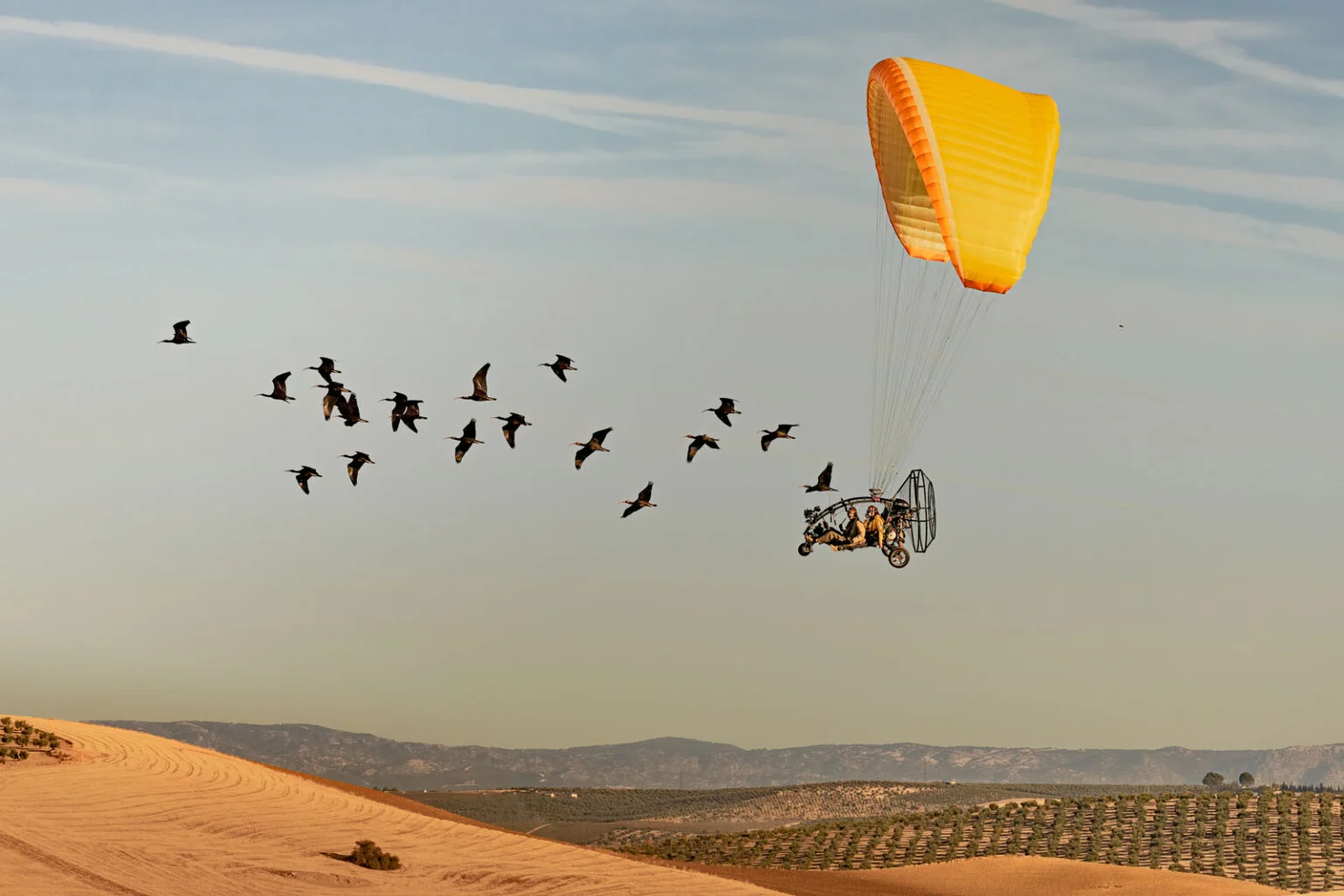
Επιστήμονας πετά δίπλα σε σμήνος ιβίδων σε βραβευμένη φωτογραφία του Scientist At Work 2026
Η φωτογραφία που κατέκτησε την πρώτη θέση στον διαγωνισμό Scientist At Work 2026 και παρουσιάζει πρόγραμμα επανένταξης ιβίδων στην Ευρώπη. Gunnar Hartmann | Nature Scientist At Work Photo Competition 2026

Summary

  • The Scientist At Work 2026 competition showcased five award-winning photographs.
  • The winning image documents an ibis reintroduction project in Europe.
  • Award-winning photos also featured coral reefs, whale sharks and algae research.
  • One image presents mosquito research under ultraviolet light.
  • The photographs highlight science in real-world working conditions.
Contents
  1. The Photograph That Won First Place
  2. Research on Coral Reefs
  3. Beside a Whale Shark
  4. Toxic Algae Seen From Above
  5. Science Under Ultraviolet Light
  6. What We Think

Five impressive photographs from around the world highlight the work of scientists in some of the most demanding and fascinating research environments.

Nature’s annual Scientist At Work competition for 2026 presented five award-winning images capturing scientific research at sea, in the air and in the laboratory. More than 220 entries competed for recognition.

The photographs not only showcase the aesthetics of science but also emphasize the importance of research on critical issues such as biodiversity conservation, climate change, marine life and public health.

The Photograph That Won First Place

The overall winner was Gunnar Hartmann, a member of the Austrian research group Waldrappteam. His photograph shows a powered paraglider flying alongside a flock of ibises during a unique species reintroduction program in Europe.

The project guides birds raised by humans along a migration route of approximately 2,800 kilometers from Germany to Spain, helping restore a population that disappeared from the region around 400 years ago.

Research on Coral Reefs

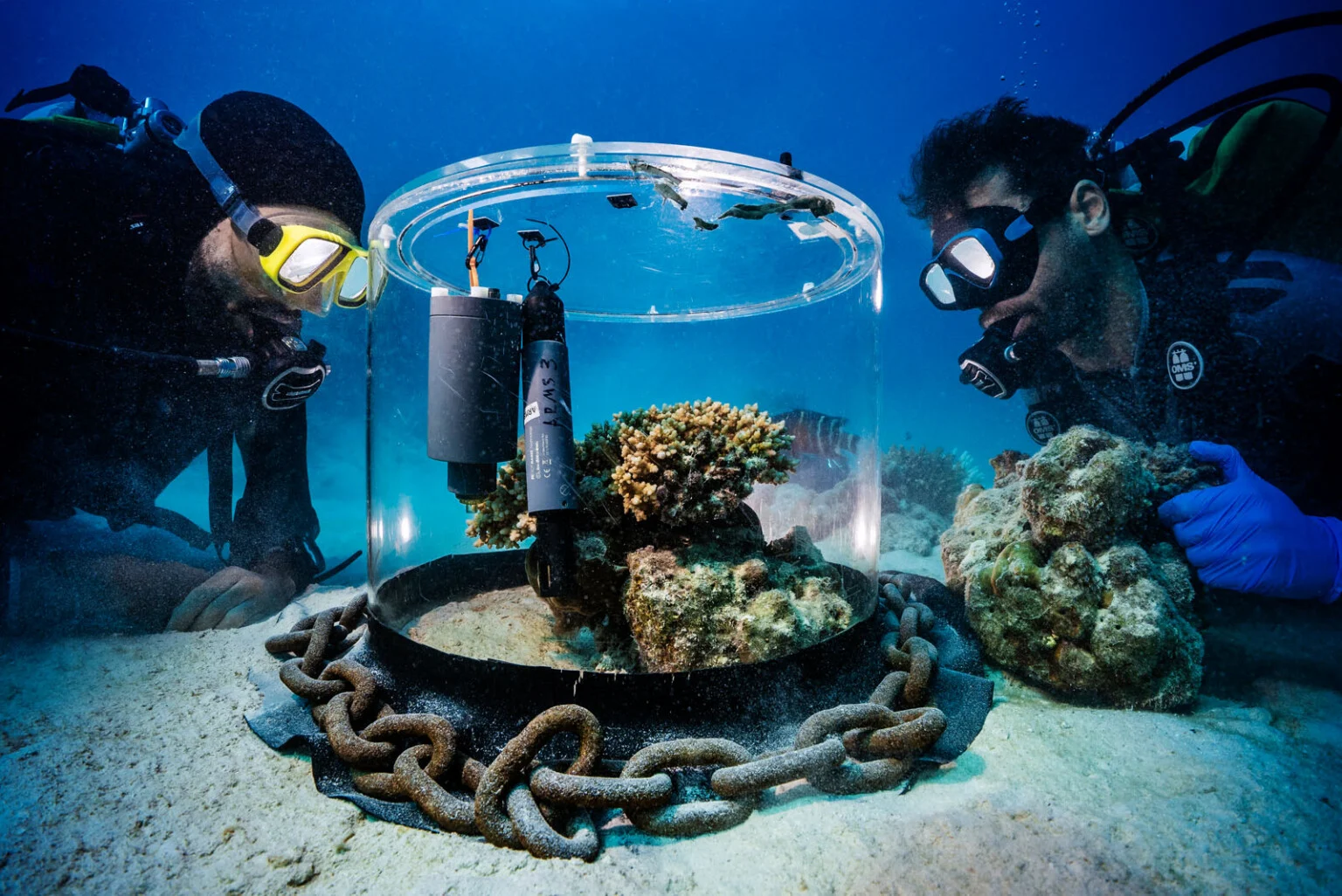
One of the award-winning images was captured by marine biologist and photographer Uli Kunz. The photograph shows two divers installing a specialized incubation chamber over a coral reef ecosystem in Saudi Arabia.

The research project, known as the “coral probiotics village,” studies how different coral species respond to rising water temperatures caused by climate change.

Beside a Whale Shark

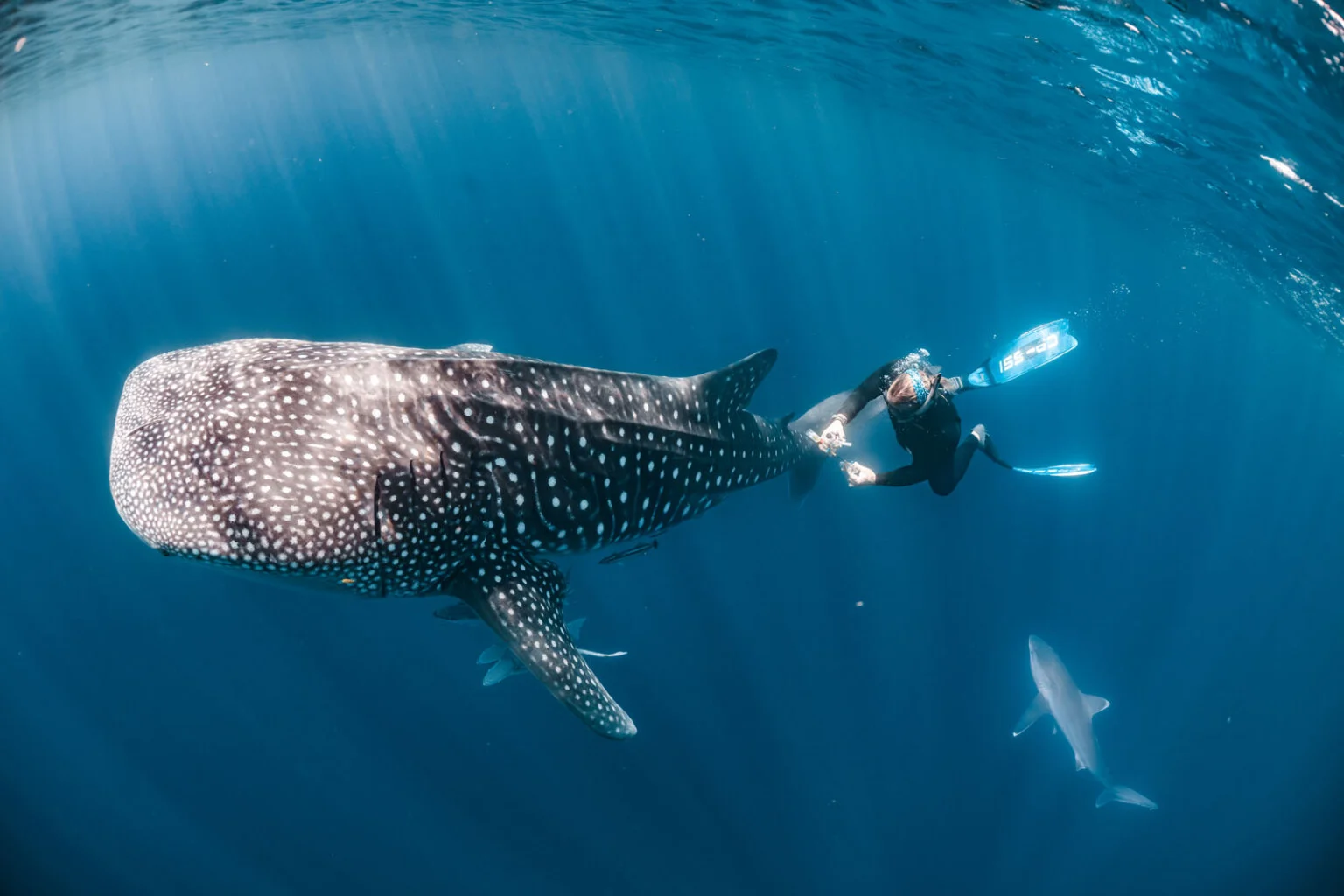
Marine ecologist Robert Harcourt captured a biologist collecting a sample from the skin of a whale shark measuring approximately 12 meters in length. A silvertip shark appears in the background, adding even more tension to the scene.

The image uniquely captures the reality of scientific work in the natural environment and the challenges often associated with field research.

Toxic Algae Seen From Above

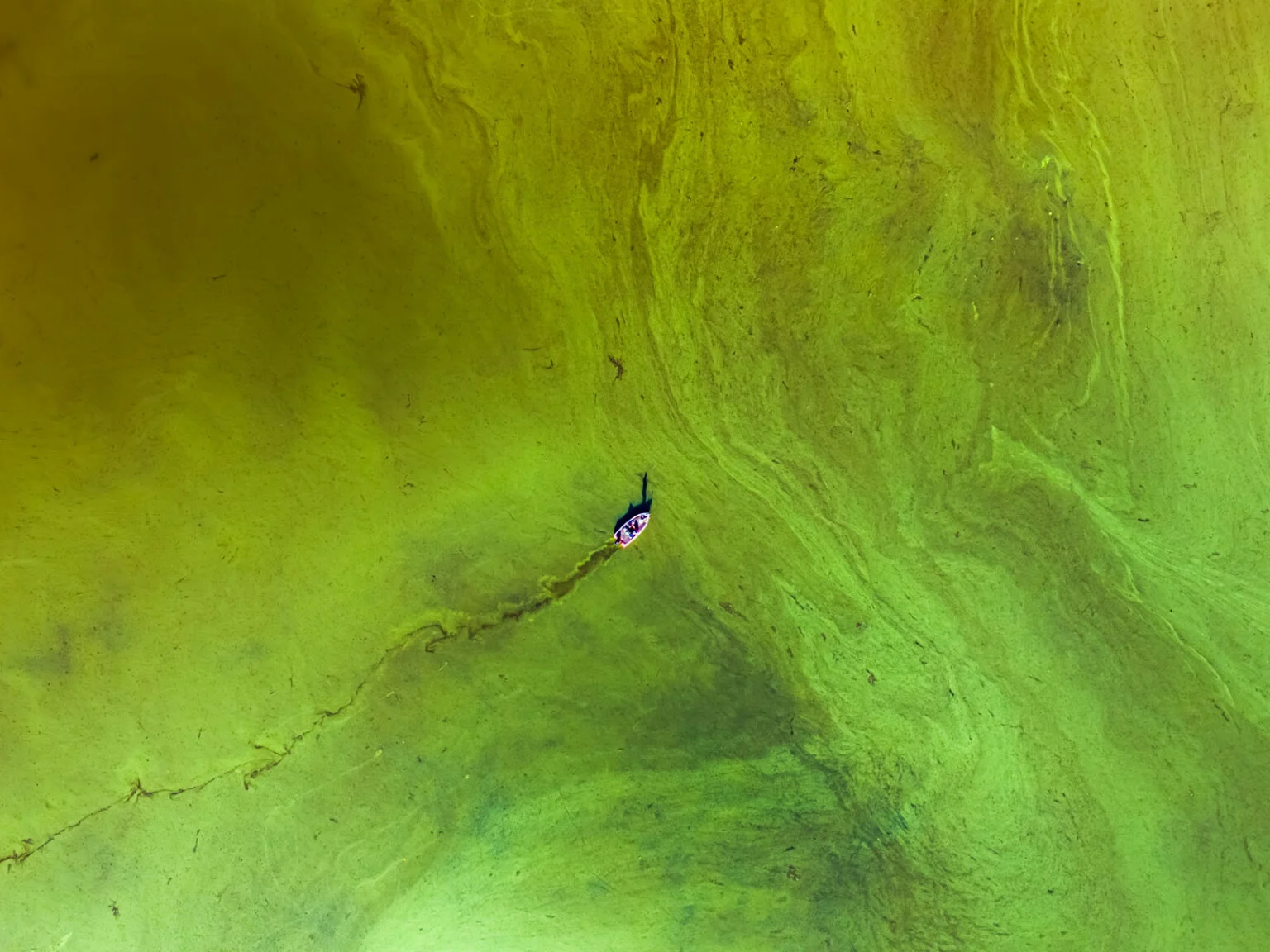
Haolun (Allen) Tian received recognition for an aerial image of Dog Lake in Canada. The photograph captures striking green algae blooms while researchers collect samples from a small pink boat.

The research focuses on algae species that create toxic layers on the lake’s surface, affecting fish populations and local water supplies.

Science Under Ultraviolet Light

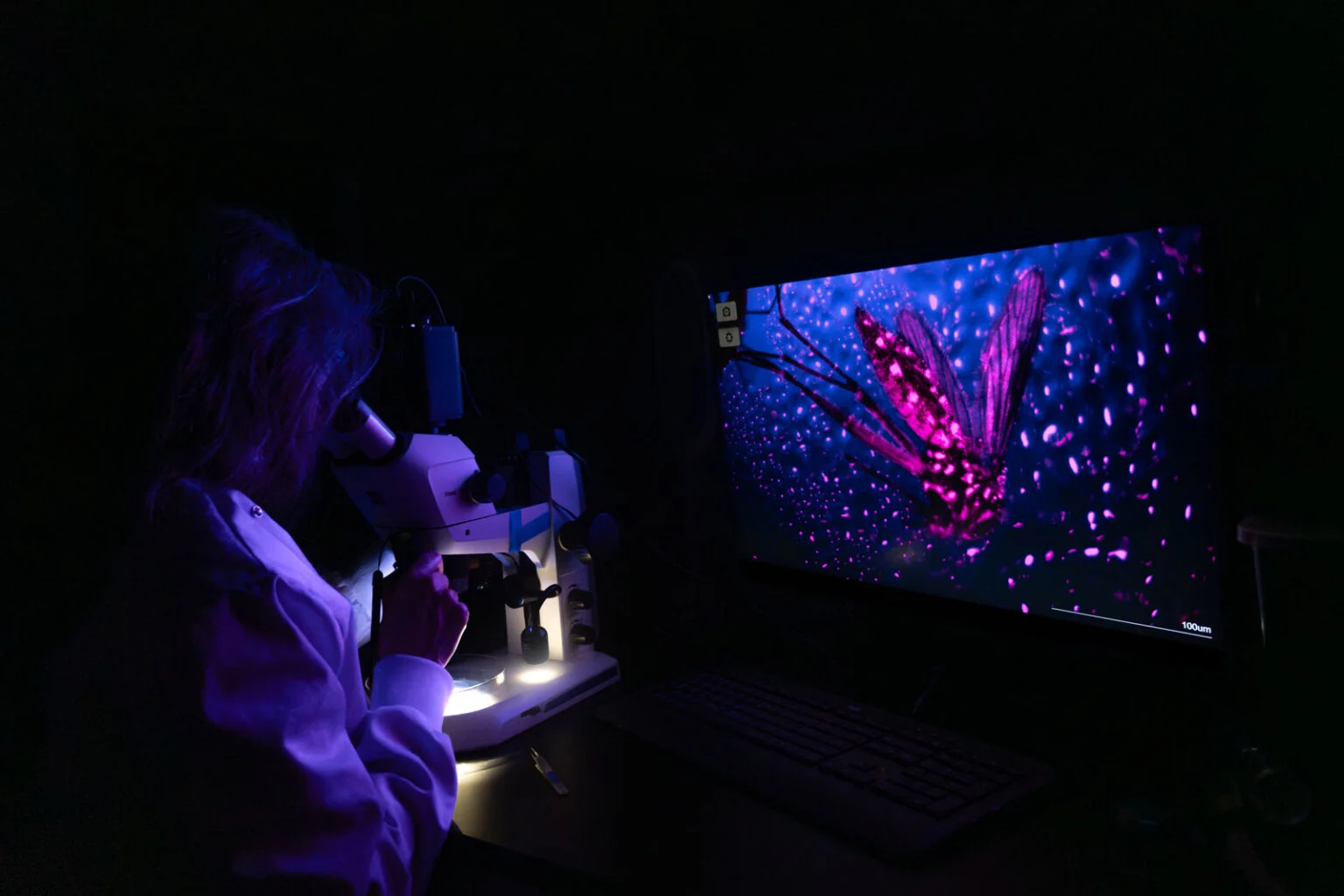
The fifth award-winning image belongs to Shayanta Chowdhury and shows entomologist Lee Haines studying a yellow fever mosquito under ultraviolet illumination.

The photograph combines a portrait of the researcher with a microscopic image of the insect, creating a particularly striking visual result. The related research investigates how the compound nitisinone can be used to combat blood-feeding insects.

What We Think

Scientific photography competitions serve as a reminder that research is not limited to laboratories and academic publications. Through powerful imagery, the public can gain a closer look at the work scientists do and better understand the importance of science in addressing global challenges. This year’s award-winning photographs achieve exactly that.

 
Comments

Leave a comment