


Summary
- A Ukrainian photographer captured around 100,000 images across Europe.
- The project covered ten cities.
- AI-powered transitions became a key creative element.
- Two bicycle thefts failed to stop the production.
- Each video required weeks of post-production.
A Ukrainian photographer captured around 100,000 photographs while traveling across 10 European cities, completing one of his most ambitious hyperlapse projects despite having two bicycles stolen along the way.
Kirill Neiezhmakov spent roughly three days shooting in each city, producing dozens of image sequences that resulted in several terabytes of RAW files. The project stretched from southern Spain to northern Germany.
AI Transitions
Neiezhmakov experimented with AI-powered video-to-video transitions using Pixverse, Kling, and Seedance 2.0, refining the visual flow between locations throughout the series.
Two Stolen Bicycles
His first bicycle was stolen in Lyon on the very first night, forcing him to spend a day dealing with police reports before relying on the city’s public bike-sharing system.
A replacement bicycle was later stolen in Rotterdam from a busy bike rack during daylight hours, yet the project continued.
Technical Approach
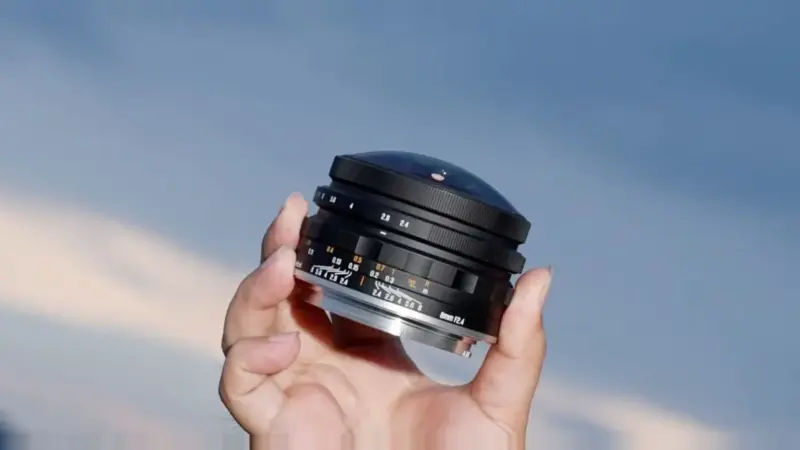
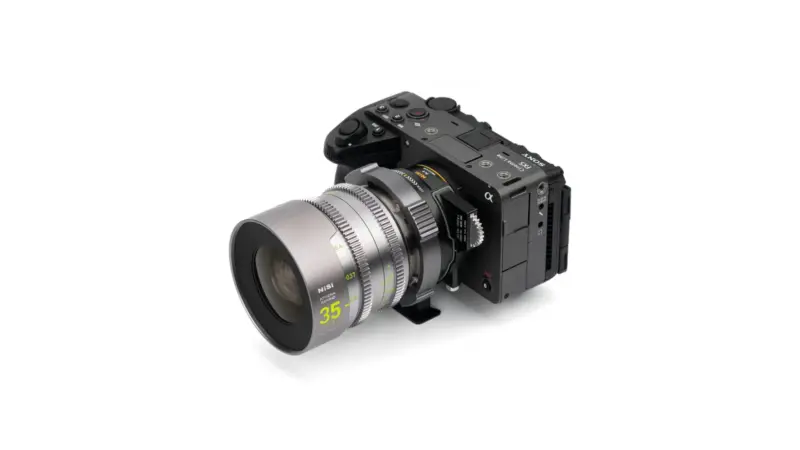
The photographer used a Laowa 15mm f/4.5 Zero-D Shift lens for architectural photography and relied on long exposures, a tripod, and a geared head to create precise hyperlapse movements.
Extensive Post-Production
Each episode required approximately three to four weeks of editing, including RAW processing, color grading, AI transition generation, sound design, and final rendering.
What We Think
The project demonstrates how persistence, technical expertise, and thoughtful use of AI can produce exceptional visual storytelling, even when unexpected setbacks occur.
Frequently Asked Questions
How many photos did he take?
Around 100,000 images.
How many cities were included?
Ten European cities.
How many bicycles were stolen?
Two bicycles during the journey.
How long did each video take to edit?
Approximately three to four weeks.