

Summary
- Yuval Abraham and Rachel Szor explain how «NAZA» was made and why its anonymous interviews were filmed at night on Tel Aviv rooftops.
- The film features 24 anonymous testimonies and examines surveillance and targeting systems. The team's broader investigation involved conversations with more than 100 sources.
- The documentary won the Special Jury Prize in Venice and has triggered intense political reactions in Israel.
Yuval Abraham and Rachel Szor discuss «NAZA» in depth, the award-winning documentary built around testimony from 24 anonymous Israeli soldiers and military intelligence personnel and examining surveillance and targeting systems used in the war in Gaza.
In their new Stateside with Kai and Carter interview, the filmmakers discuss both the film’s findings and the cinematic approach they used for anonymous testimony. «NAZA» is produced by the Guardian and JW Films, runs for 80 minutes and won the Special Jury Prize at the 83rd Venice International Film Festival.
From artificial intelligence to target selection
The discussion moves from mass surveillance and data analysis to processes used to identify and track potential targets. Testimony in «NAZA» describes, among other things, the Lavender system and phone-tracking procedures, presenting a mechanism in which technology creates distance between the operator and the consequences of a strike.
These allegations form a central part of the documentary’s investigation. The Israel Defense Forces have rejected allegations made in the film, challenged its reliance on anonymous testimony and said they employ procedures intended to minimize civilian harm.
Why the testimony was filmed at night
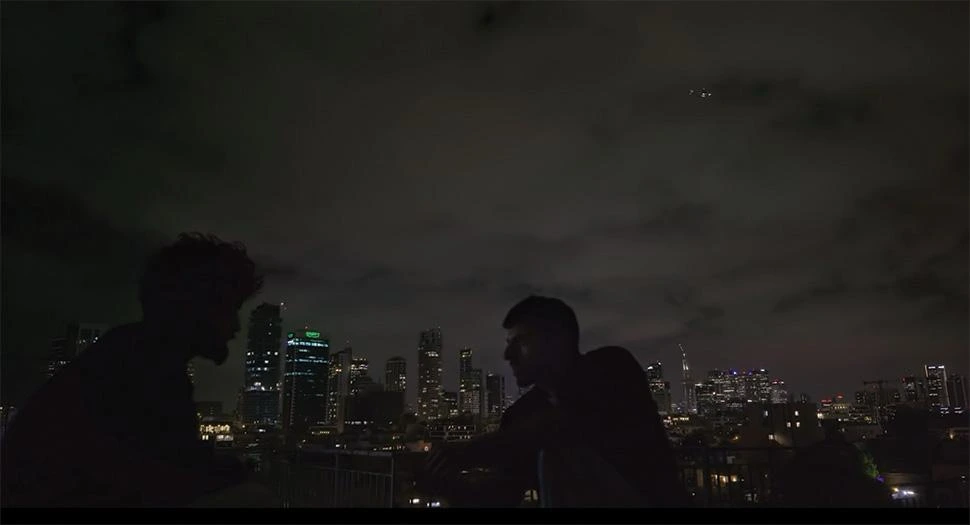
For image-makers, one particularly notable aspect is the way Abraham and Szor chose to film their sources. «NAZA» was shot at night on rooftops in Tel Aviv, with the soldiers and intelligence personnel remaining anonymous.
Rachel Szor has explained that rooftops at night offered a contemplative setting that helped people speak more freely. The choice does more than protect the sources’ identities: it defines the documentary’s visual language, turning darkness, silhouettes and the illuminated city into part of the storytelling.
24 anonymous testimonies and more than 100 sources
The finished film features 24 anonymous Israeli soldiers and military intelligence personnel. The «NAZA» team has said that its broader investigation involved conversations with more than 100 sources with knowledge of military systems and targeting procedures.
The filmmakers say the testimony was assessed through corroboration and additional reporting material. The documentary continues several years of investigative journalism that preceded the film production.
The reaction in Israel
The political reaction in Israel has been intense. The two filmmakers have faced public threats and political initiatives concerning even the possibility of revoking their Israeli citizenship. In the interview they discuss that pressure while maintaining that the central issue remains the testimony and the systems the film seeks to expose.
What we think
For filmmakers, «NAZA» is significant beyond its exceptionally serious political and journalistic subject. Turning the requirement for anonymity into a core element of cinematography and direction shows how a genuine production constraint can become part of a film’s visual language.
Frequently asked questions
What is «NAZA»?
It is an 80-minute documentary by Yuval Abraham and Rachel Szor, produced by the Guardian and JW Films, examining surveillance and targeting systems in the war in Gaza through anonymous testimony.
How many anonymous sources appear in the film?
The film includes testimony from 24 Israeli soldiers and military intelligence personnel, while the wider investigation involved conversations with more than 100 sources.
How were the interviews filmed?
The interviews were filmed at night on rooftops in Tel Aviv, using visual choices that protect the sources’ identities while shaping the film’s aesthetic.
Has «NAZA» won an award?
Yes. It won the Special Jury Prize at the 83rd Venice International Film Festival.