

Summary
- More than 60 million stars were captured in a single image.
- The observation was made by ESA’s Euclid space telescope.
- The mosaic was assembled from nine observations collected over 26 hours.
- The data will support future exoplanet discoveries using microlensing.
- Euclid continues its mission to investigate dark matter and dark energy.
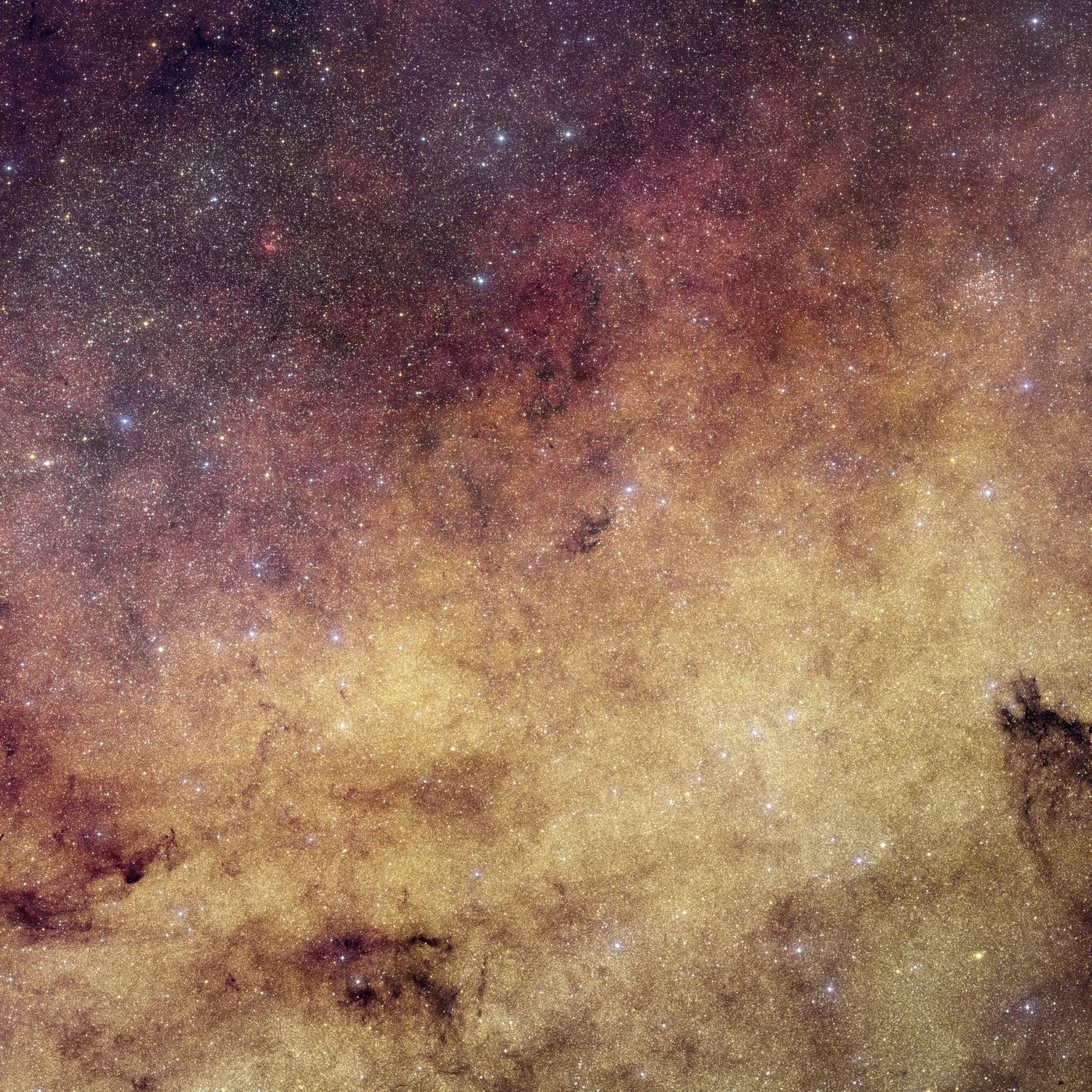
ESA’s Euclid mission has unveiled the largest and most detailed visible-light image ever created of the centre of our Milky Way galaxy.
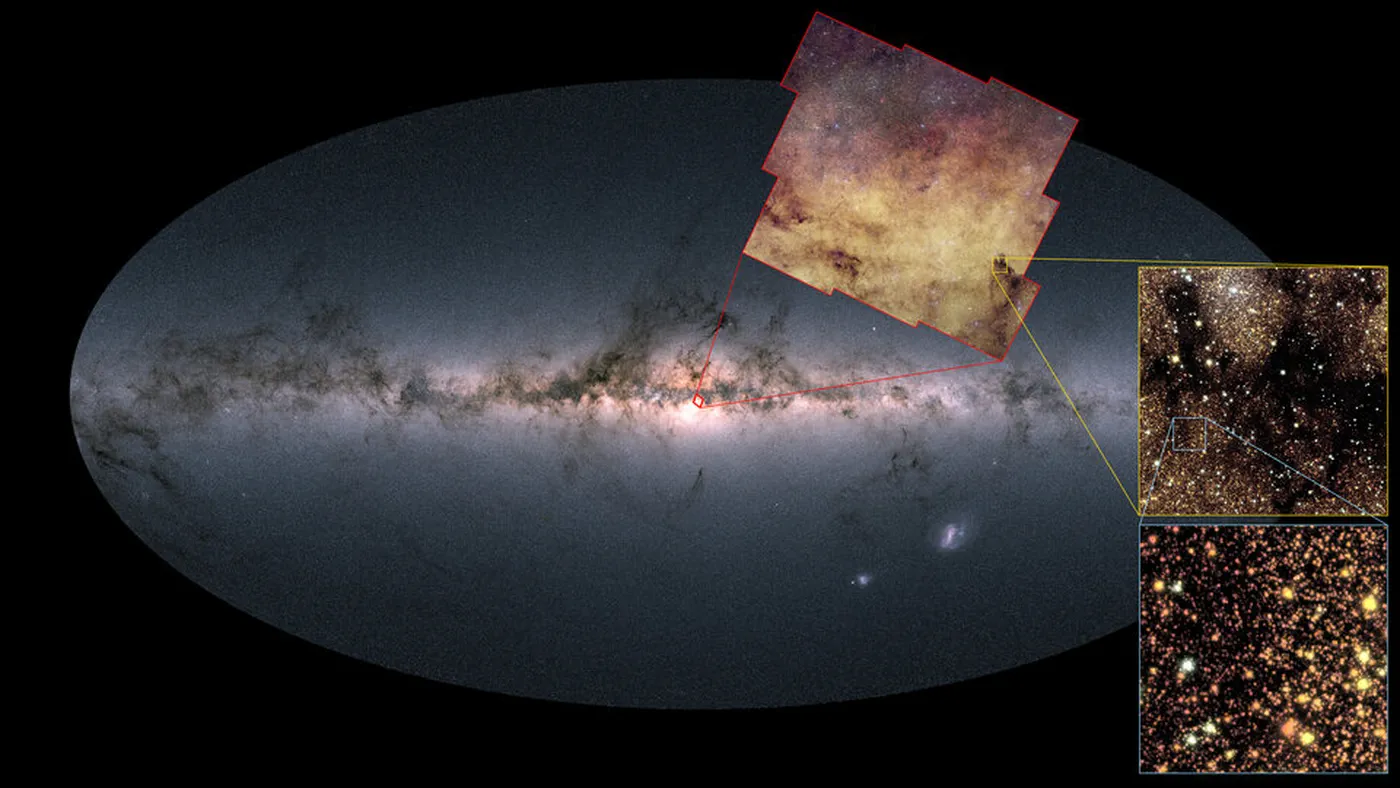
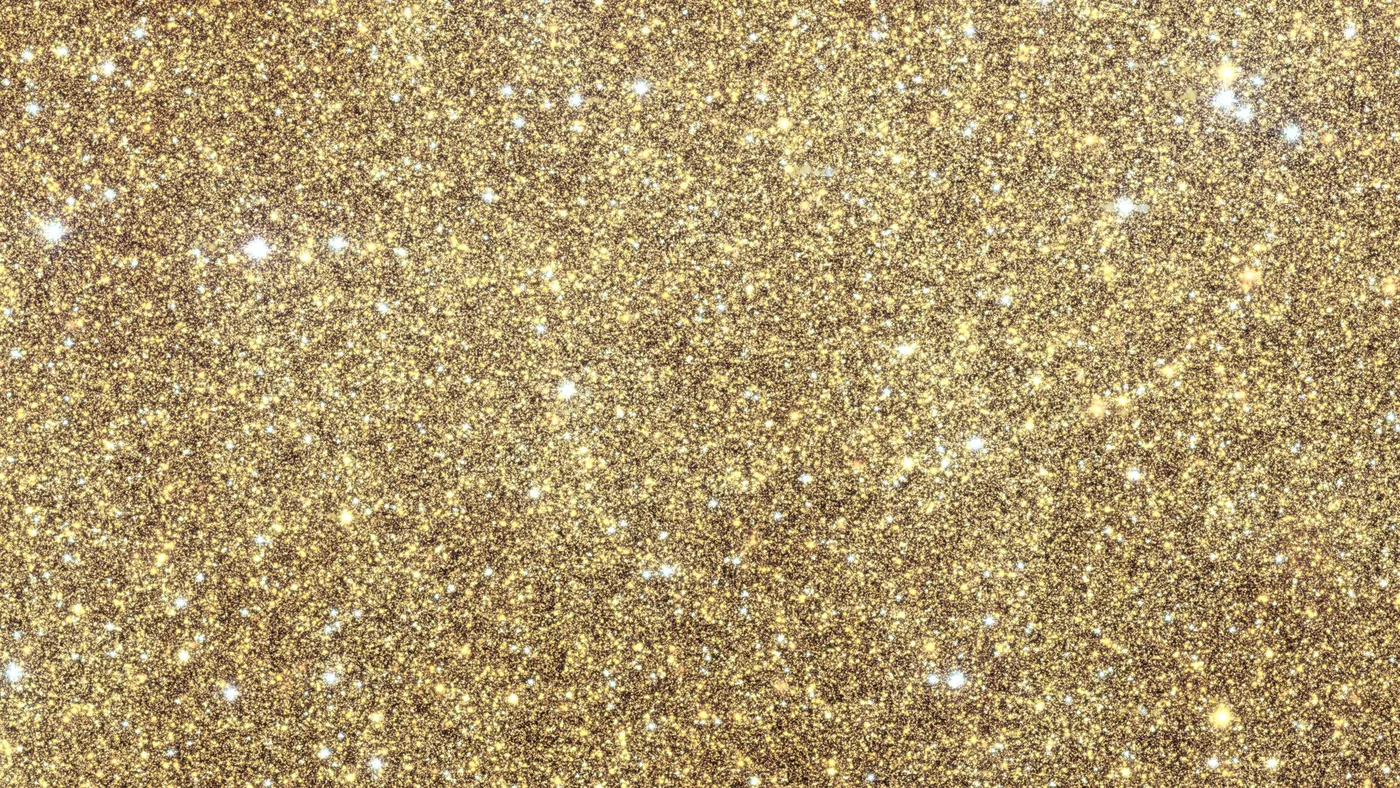
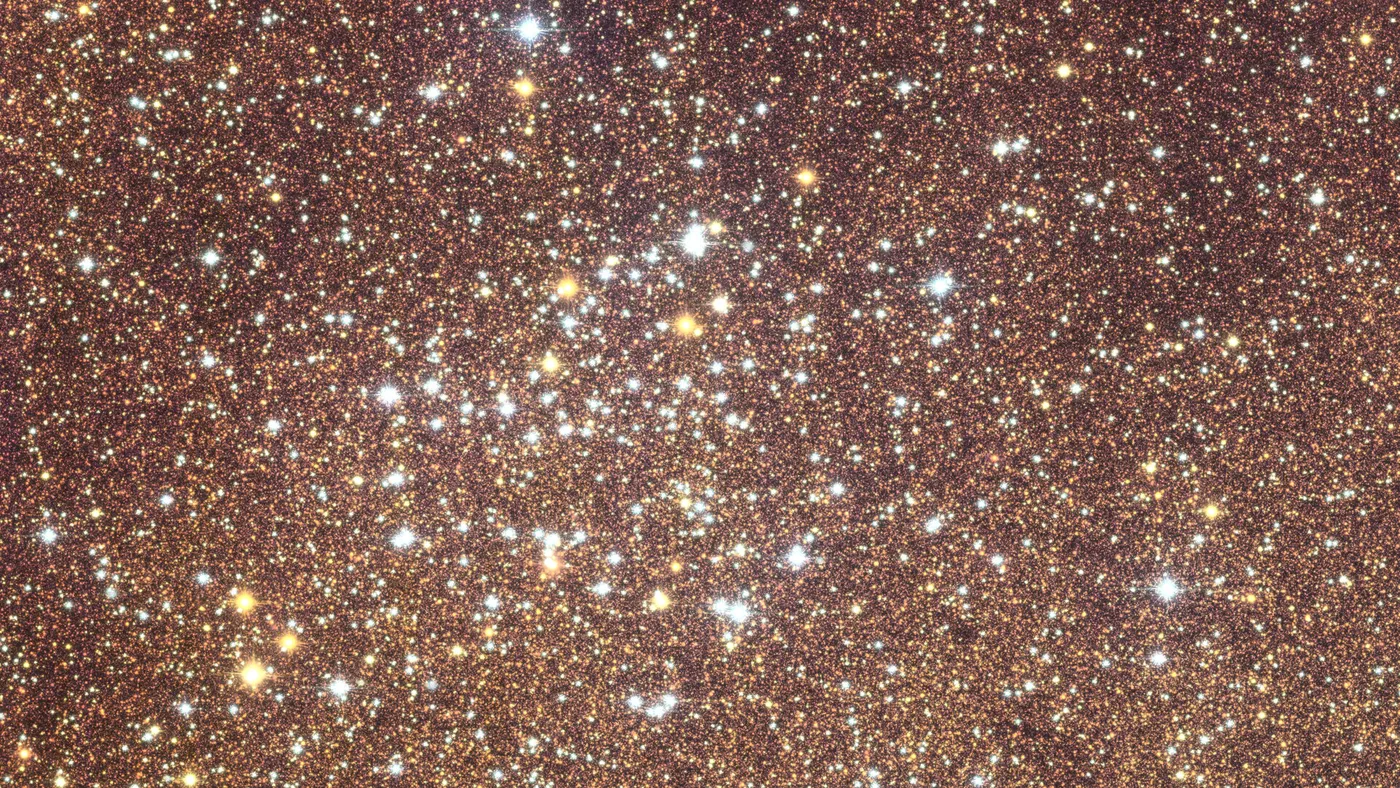
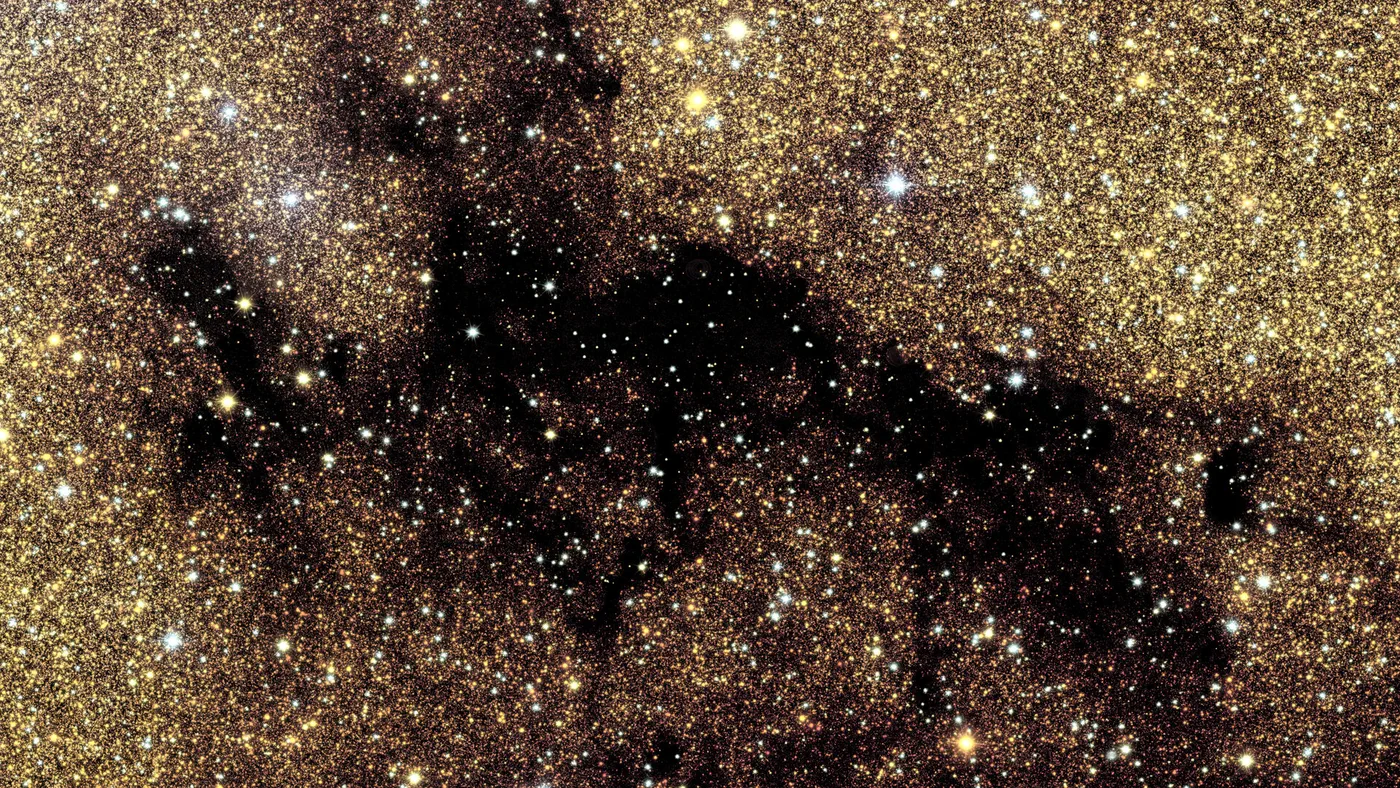
The new image reveals more than 60 million stars in the Galactic bulge, the densely populated central region of the Milky Way. The observation was carried out in March 2025 and has now been released to the scientific community.
Beyond its visual impact, the dataset is expected to play an important role in future exoplanet studies by helping astronomers confirm planetary candidates and measure their masses more accurately.
The largest image of the Galactic Centre
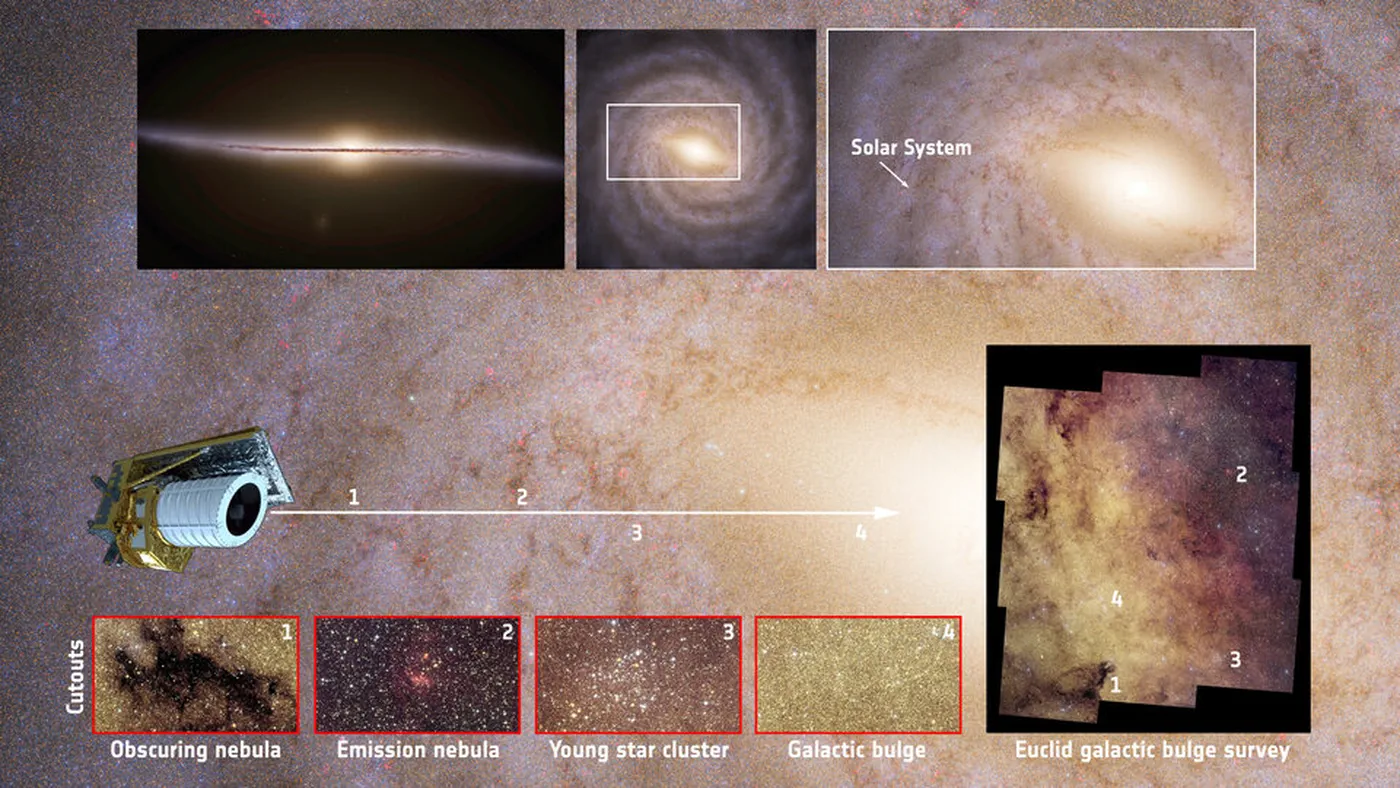
Euclid spent one day observing the bright inner region of the Milky Way, despite being primarily designed to investigate the dark Universe and map billions of distant galaxies.
The final mosaic was created from nine separate pointings collected over approximately 26 hours. Each observation covered an area larger than the apparent size of the full Moon in the sky.
Euclid’s visible-light sharpness is comparable to that of the Hubble Space Telescope, while its much wider field of view allows it to survey enormous portions of the sky far more efficiently.
More than 60 million stars
The image contains not only stars but also nebulae, molecular clouds and stellar clusters.
The region surrounding the Galactic Centre is considered ideal for exoplanet searches using gravitational microlensing. This technique relies on the temporary brightening of a distant star when another star passes in front of it along our line of sight.
If the foreground star hosts a planet, the planet’s gravity creates additional subtle changes in the light curve, revealing its presence.
A new tool for exoplanet science
According to the mission team, the true value of the image lies in its role as a time reference for future discoveries.
NASA’s upcoming Roman Space Telescope will conduct extensive exoplanet surveys in the same region of the sky. Euclid’s observations provide astronomers with a record of how these stars appeared before future microlensing events occur.
Combining future and past observations will enable more accurate measurements of planetary systems and their masses.
Frozen worlds and rare systems
Microlensing offers a major advantage over many other exoplanet detection techniques because it does not preferentially discover large, hot planets.
Scientists expect it to reveal cold planets orbiting far from their stars, including worlds similar to the icy planets of the outer Solar System.
Euclid’s data already include the host stars of two known cold exoplanets, OGLE-2005-BLG-390Lb and OGLE-2013-BLG-341Lb, which may now be studied in greater detail.
The Euclid mission
Euclid launched in July 2023 and began routine science operations in February 2024.
Its primary goal is to investigate dark matter and dark energy by observing the shapes, motions and distances of billions of galaxies across the Universe.
This latest image demonstrates that Euclid can also deliver major scientific results within our own galaxy, extending its impact well beyond its original mission objectives.
What we think
Euclid’s Galactic Centre image is both a technological and scientific milestone. Beyond its stunning appearance, it provides a unique astronomical dataset that is likely to support exoplanet and Milky Way research for many years.