

Summary
- Film photography is seeing renewed interest in Japan
- Nearly half of film users reportedly cite social media as a reason for shooting film
- Gen Z is embracing analog aesthetics through Instagram, TikTok and YouTube
- Film appeals to users seeking a slower and more intentional process
- Japan’s strong secondhand camera market supports the revival
Film photography is enjoying a new boom in Japan, with social media playing a key role in its return.
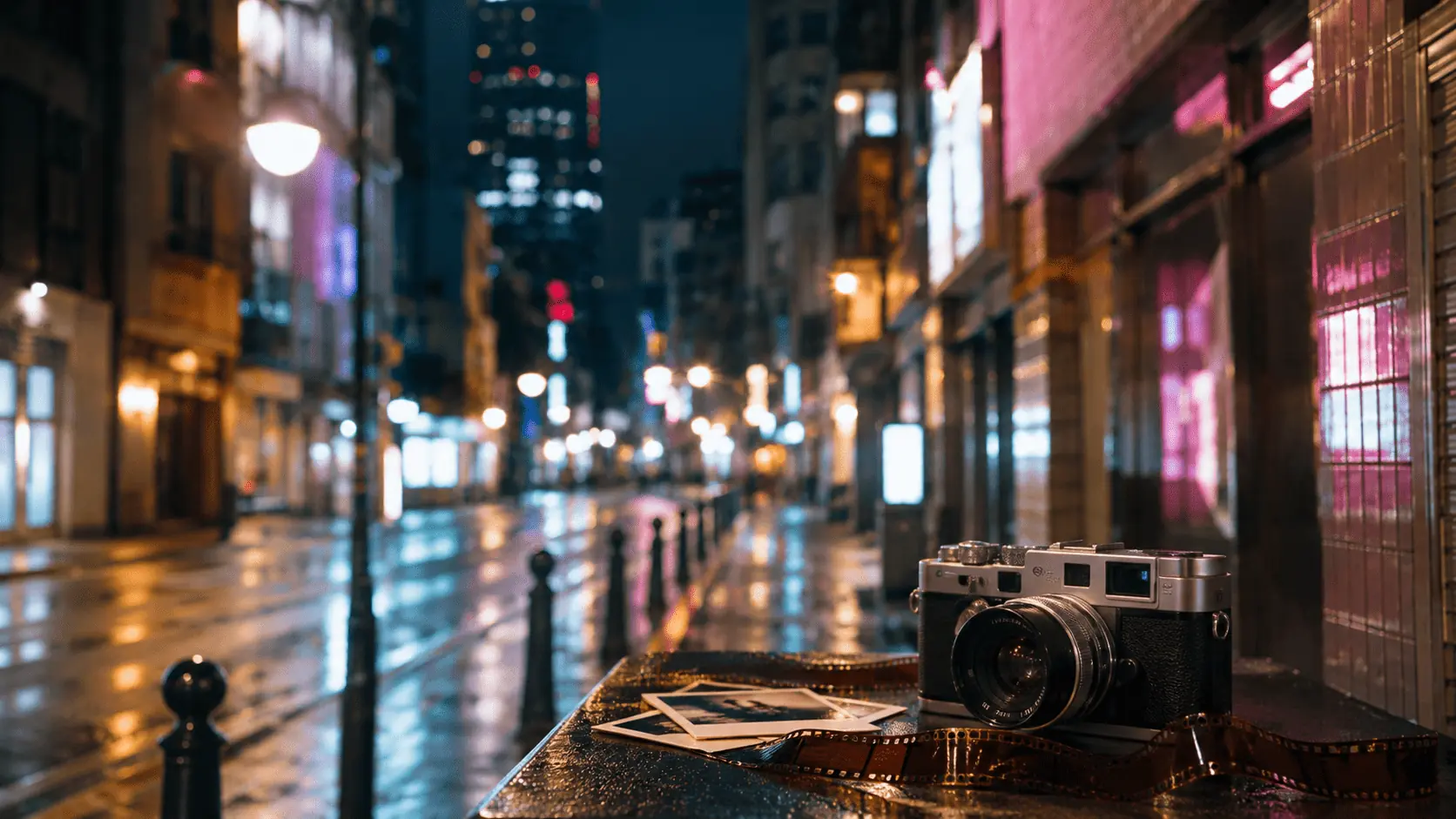
In Japan, film cameras are making a strong comeback, attracting especially younger users who are looking for a slower, more tactile and less digital photographic experience.
The development is notable because it shows that a technology from the previous century is not returning only because of nostalgia, but also thanks to very modern platforms such as Instagram, TikTok and YouTube.
Nostalgia meets social media
The return of film in Japan is connected to a broader wave of interest in analog experiences and retro objects. Vinyl records, old-style kissaten coffee houses, traditional dagashi sweets and film cameras are all part of a trend that seeks the feeling of an earlier era.
Although Gen Z did not live through the Showa era, it has adopted many elements of that aesthetic. Younger users do not see film simply as a technical medium, but as an experience with character, limitations and atmosphere.
The unexpected role of social media
According to a survey mentioned in the related reports, nearly half of those who shoot film attribute their choice to the influence of social media.
These platforms work both as a source of inspiration and as a practical guide. Users see analog photos, learn which camera to buy, which film to try and how to load a roll properly.
This changes the nature of the revival. Analog photography is not returning outside the digital era, but through it.
The appeal of a slower process
At a time when photography has become almost instant, film imposes a different rhythm. Each roll has a limited number of exposures, usually 24 or 36 frames, while the result does not appear immediately on a screen.
That delay is now part of the appeal. Waiting for the photos to be developed and accepting the unpredictable make the process more intentional.
For many younger photographers, film also works as a form of digital detox, a chance to step away temporarily from the constant flow of images, notifications and algorithms.
Imperfection as an aesthetic value
Analog photography has found a new audience also because of its imperfections. Grain, softer focus, vignetting, limited dynamic range and unpredictable colors are now aesthetic qualities that many people actively seek.
In a period when artificial intelligence and heavily processed digital files create doubts around image authenticity, film offers a different sense of reality.
Imperfection is no longer seen only as a technical drawback. Instead, it becomes part of the image’s identity.
Japan as an ideal market for film
Japan has a strong secondhand camera market, with many stores offering well-preserved equipment. This helps new users enter the world of film without necessarily starting with expensive collectible options.
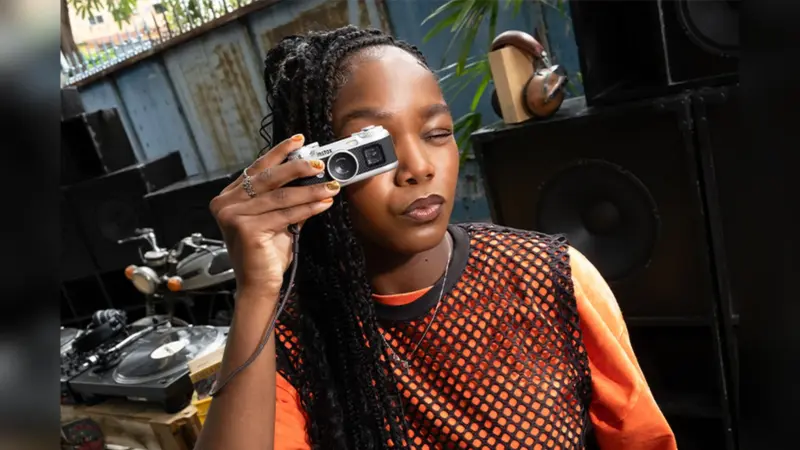
At the same time, newer cameras aimed at beginners, including half-frame models and modern analog-inspired releases, make the first step easier. The presence of shops, development labs and online communities also lowers the barrier to entry compared with the past.
What it means for photography
The return of film does not mean that digital photography is under threat. Instead, it shows that photographers are looking for parallel experiences.
Digital remains faster, more flexible and cheaper to use. Film, however, offers something different: limitation, waiting, materiality and a more personal relationship with the act of taking a picture.
The new rise of analog photography in Japan shows that technology does not always completely replace the old. Sometimes, the old returns with new meaning.
What we think
The revival of film in Japan is interesting because it is not just a retro trend. It is a response to the excessive speed of digital imagery, but also proof that social media can bring back technologies once considered obsolete. For photographers, the key question is not whether film is “better” than digital, but that it offers a different way of thinking before pressing the shutter.
Frequently asked questions
Why is film photography returning in Japan?
It is returning because of nostalgia, interest in retro aesthetics, the desire for a slower photographic process and strong influence from social media.
What role do social media platforms play?
Social media platforms act as sources of inspiration, visibility and education, as users see analog images, learn techniques and discover cameras and films.
Why are young people interested in film?
Many young people see film as a more authentic, tactile and creative experience, with limitations that force them to photograph more carefully.
Is film photography expensive?
It can become expensive because of the cost of film and development, especially when using rare films or specialized labs. However, there are more affordable options for beginners.
Will the film revival continue?
The trend appears strong, especially as long as new cameras, available film stocks, development labs and active social media communities continue to exist.