Summary
- Israeli police announced ten arrests after attacks in the West Bank.
- Photojournalist Heidi Levine was seriously injured on October 16.
- Authorities did not publicly specify each detainee’s alleged role.
- The investigation also covers a separate assault on European diplomats.
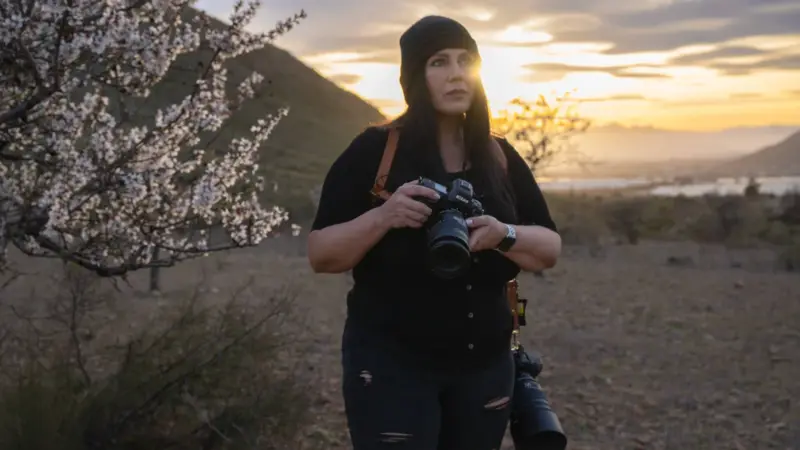
Israeli police have arrested ten suspects over violence in the occupied West Bank, including the brutal assault that left Washington Post photojournalist Heidi Levine seriously injured.
The arrests took place before dawn on Monday, October 19, amid international outrage over the beating of Levine and a separate attack targeting European diplomats.
Ten arrests, but individual charges have not been disclosed
According to the police statement, the operation involved Israeli police units in the West Bank and the Shin Bet internal security agency. Those detained were taken in for questioning, while vehicles and items investigators consider relevant to the alleged offences were seized.
The wider investigation covers suspected violent assaults, violations of closed military zone orders and illegal construction. In the initial announcement concerning the ten suspects, authorities did not name them or publicly identify each person’s alleged role in the assault on Levine. Detention for questioning is distinct from formal charges or a conviction.
The operation was described as “Operation Olive Leaf.” Police said any further court proceedings would depend on evidence obtained during questioning.
What happened to Heidi Levine
On October 16, masked Israeli settlers attacked Levine near Abu Falah while she was documenting violence against Palestinian farmers during the olive harvest. She was wearing PRESS markings and carrying photographic equipment. Video from the scene documented the beating and the seizure of equipment.
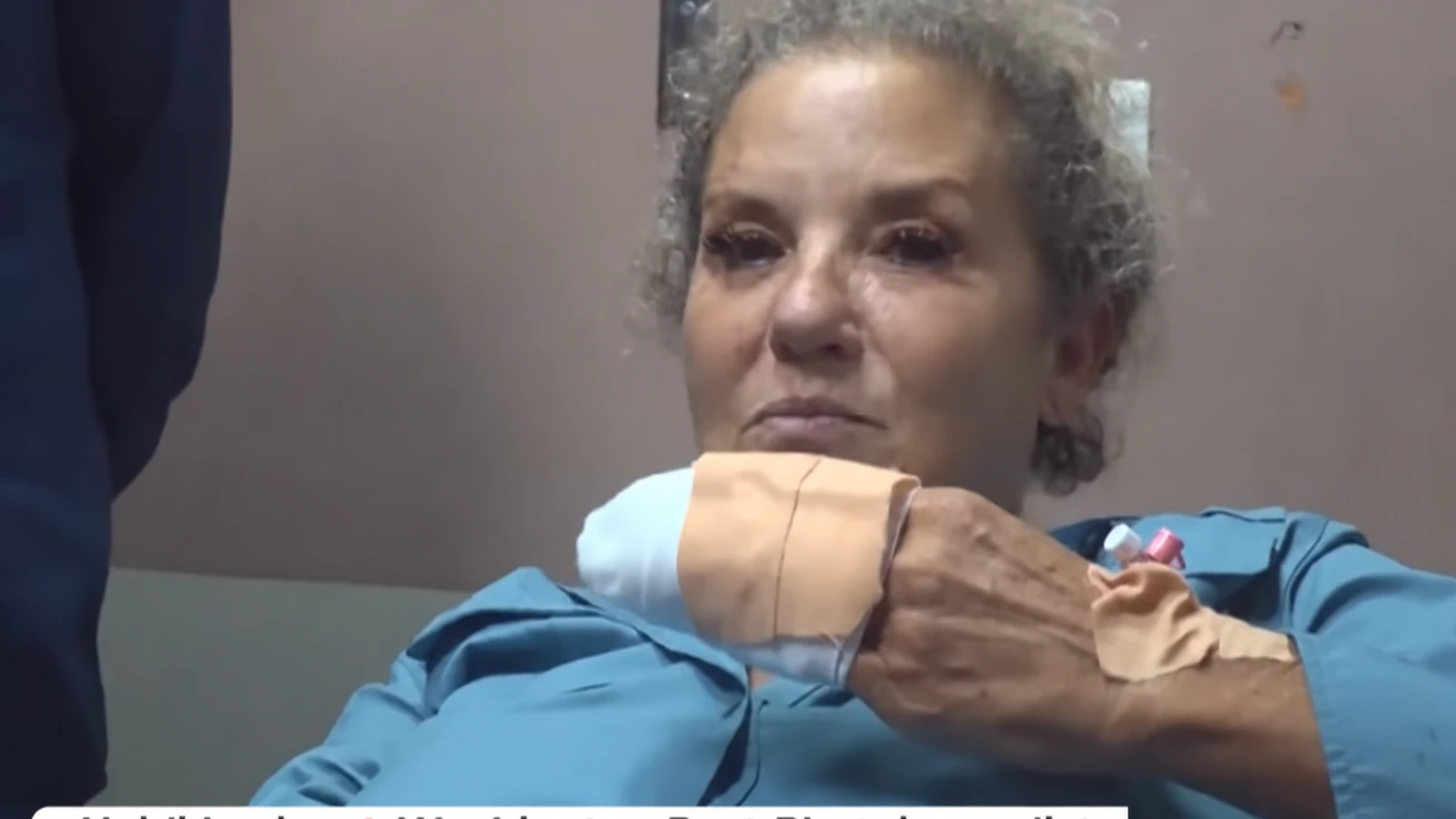
Levine sustained serious injuries, including fractures to a rib and vertebrae, wounds across her body and a severe finger injury requiring surgery. She first received treatment at a Palestinian hospital and was later transferred to Beilinson Hospital.
The footage of her rescue and her testimony from hospital revealed the brutality of the attack and her response to Israeli Prime Minister Benjamin Netanyahu’s public questioning of the circumstances.
The separate attack on European diplomats
On October 17, another group of masked settlers attacked European diplomats and other visitors near the Palestinian village of Taybeh. Representatives of France, Belgium and Poland were among those involved, and a French mayor was reportedly beaten. It was a separate attack investigated within the broader police operation.
US Ambassador to Israel Mike Huckabee demanded a thorough investigation and prosecution of those responsible for the attack on Levine. Israeli President Isaac Herzog called the photographer and apologized for what had happened to her. The arrests followed strong international pressure.
Arrests are only the beginning of accountability
Police Commissioner Daniel Levy said law enforcement must apply equally to everyone and acknowledged the need to clarify responsibilities between police and military authorities. That distinction matters in the West Bank, where reports of settler violence and failures to protect Palestinian civilians have been persistent.
For photographers on assignment, the freedom to document abuses against civilians depends on protection in the field, not statements issued afterwards. Assaulting a journalist visibly marked as PRESS and taking photographic equipment directly obstructs public documentation.
What we think
The arrests are a meaningful development, but they should not serve as a convenient response to outrage over the footage of Levine’s beating. Investigators must identify, using evidence, the individuals who assaulted her, those who took her equipment and anyone who may have assisted the attack.
The intense police response after an American journalist was seriously injured and European diplomats were attacked raises an uncomfortable question: what happens when the victim is a Palestinian farmer without international visibility or diplomatic pressure? Protection from violence cannot depend on someone’s passport or their ability to attract media attention.
The investigation must also address security failures on the ground, including the conduct of forces present in the area. Without transparent proceedings, evidence and meaningful judicial accountability, ten arrests will remain a police announcement rather than an answer to the enduring problem of impunity.