

Summary
- Heidi Levine was beaten by Israeli settlers while covering the olive harvest in the West Bank.
- New footage documents her rescue and hospital testimony.
- She responded after Netanyahu’s office described the assault as alleged.
- The case follows repeated violence against Palestinians and journalists.
- Beaten on the ground with sticks and kicks
- “I told them I was a journalist and a mother”
- “Run!” — “I can’t… let me die”
- “They kept kicking me”: Her hospital testimony
- Netanyahu called the assault “alleged” — Levine responded
- Violence against Palestinians and allegations concerning the army
- Heidi Levine’s photographic work
- What we think
“I can’t… I’m going to die… let me die.” American photojournalist Heidi Levine has been beaten by Israeli settlers and is unable to run as the attackers approach the people trying to rescue her again.
The 16 October 2026 attack in Abu Falah, in the occupied West Bank had already exposed the violence inflicted on The Washington Post photographer. Rescue footage, her hospital testimony and her response to Benjamin Netanyahu now reveal more of what happened after the beating.
The videos below document the assault, the rescue and Levine’s later testimony. They contain graphic scenes of violence.
Beaten on the ground with sticks and kicks
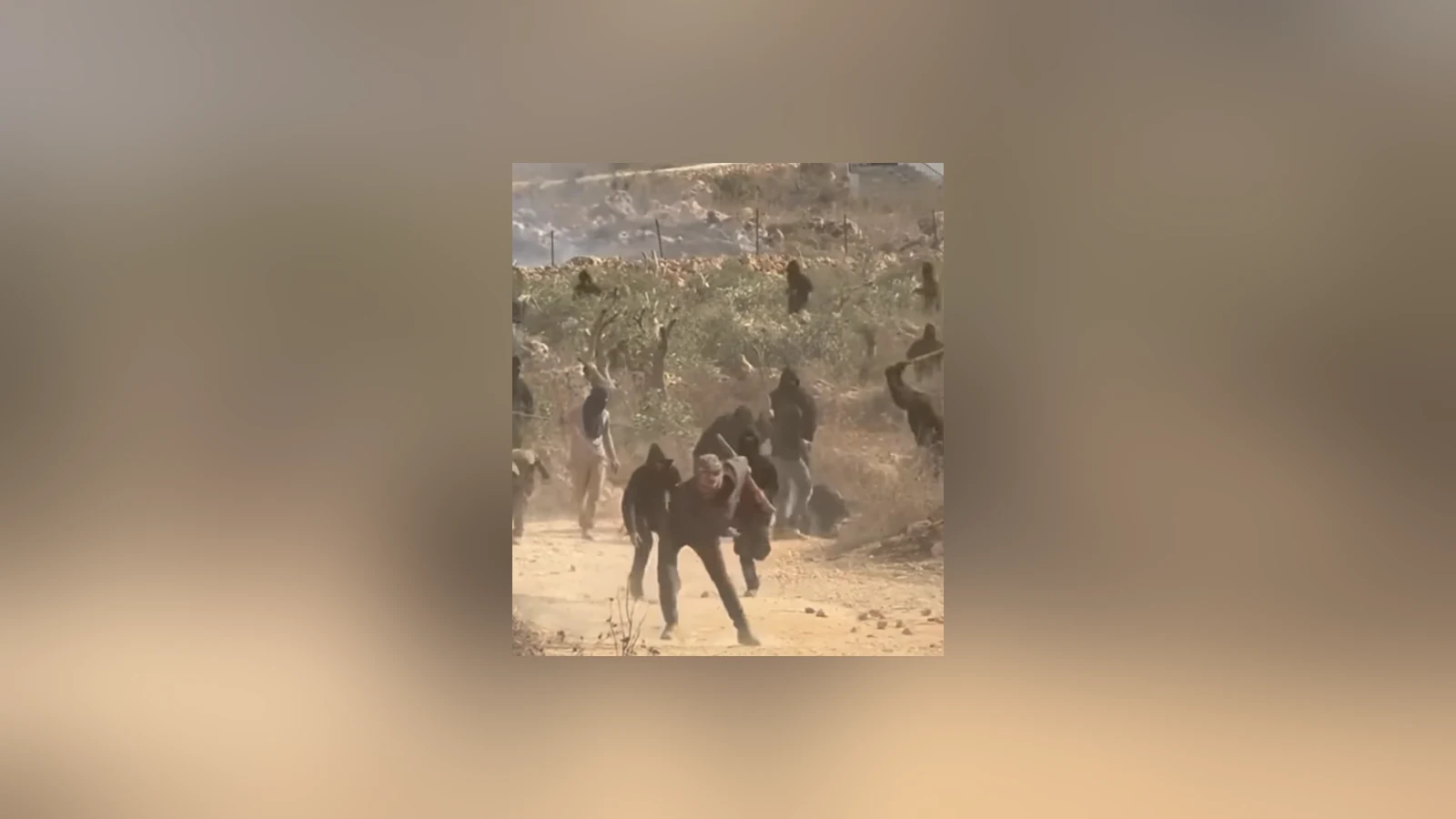
Levine was covering Palestinian farmers harvesting olives when masked settlers attacked the area. They knocked her to the ground and beat her with sticks and kicks. A frame from the assault shows a wooden club raised above the photographer as she lies on the ground.
She wore a helmet and a vest clearly marked PRESS. Levine estimated that the beating lasted about ten minutes. The attackers stole her cameras, phone and personal belongings. They assaulted a journalist documenting their violence and took the tools she used to record it.
“I told them I was a journalist and a mother”
Levine said she tried to speak to her attackers, telling them she was an American journalist and a mother. They continued beating her. Her account is also heard in the following video.
“Run!” — “I can’t… let me die”
Independent journalist Jasper Nathaniel and Palestinians at the scene rushed to help her. As they were moving her away, the settlers approached again. Her rescuers shouted for her to run, but after the beating she could not. “I can’t… I’m going to die… I can’t, let me die,” she can be heard saying. They had to support and carry her to get her away.
“They kept kicking me”: Her hospital testimony
From a hospital in Ramallah, the photojournalist described dozens of masked men coming down a hill. “They kept kicking me,” she said. She recounted how they lifted her up only to throw her down again and continue beating her.
Levine also said of her attackers: “They are not even human.” She suffered fractures and a serious hand injury requiring surgery. She believes her protective helmet and vest helped save her life.
Another recording of her testimony:
Netanyahu called the assault “alleged” — Levine responded
Benjamin Netanyahu’s office called the assault on Levine “alleged” and said the circumstances of the confrontation in Abu Falah remained “unclear.” It cited a confrontation between about 200 Arabs and left-wing activists and some 40 young Israelis, raising questions about who initiated the violence.
Yet the videos show masked men beating the photographer with sticks as she lies on the ground. From hospital, Levine told the Israeli prime minister: “Mr. Prime Minister, maybe take another look at those videos.” Washington Post executive editor Matt Murray said the beating was beyond dispute. With footage of the assault available, the prime minister’s office invoking “unclear circumstances” diverts attention from what the images actually show.
Violence against Palestinians and allegations concerning the army
The assault on Levine took place as settlers attacked Palestinian farmers, threw stones and burned olive trees. Attacks in at least eight villages and multiple injuries were reported that day during the olive harvest. Yesh Din had recorded more than 170 settler attacks since 27 September.
Witnesses say soldiers failed to protect farmers and journalists, and that tear gas and gunfire were used in the area. The Israeli army acknowledged soldiers had fired, saying they responded to a person who threatened them with a sharp object. Allegations about the security forces’ inaction and conduct add to a long history of settler violence and inadequate protection for Palestinian communities.
Days earlier, AFP photojournalist Jaafar Ashtiyeh was attacked by settlers while covering the olive harvest. Journalists are not the only people at risk: their images document the violence Palestinian residents face.
Heidi Levine’s photographic work
Heidi Levine is a Jewish American photojournalist based in Jerusalem. For decades she has documented Israeli and Palestinian lives and the impact of war on civilians. Her work can be viewed in her personal PhotoShelter portfolio, with additional career details in her GroundTruth Project profile.
Levine denounced the men who beat her as “Jewish terrorists” and spoke about settler violence and impunity.
What we think
Heidi Levine went to Abu Falah to show what was happening to Palestinians gathering their harvest. Masked settlers attacked her while she worked, left her injured on the ground and stole her equipment. The assault obstructed documentation of the violence and endangered her life.
The people who ran to save her also faced settlers approaching again. That is the reality behind “let me die”: a photojournalist had been beaten so badly she could not escape on her own.
The Netanyahu office’s references to an “alleged” assault and “unclear” circumstances are disturbing in the face of footage documenting the beating. Levine herself asked him to watch the videos again. The images do not allow this attack to disappear behind a general description of clashes.
We condemn settler violence and the state tolerance long denounced by Palestinians and human-rights groups. Palestinians’ right to live and work on their land, and photojournalists’ right to document what happens to them, cannot depend on the permission of armed groups. Responsibility for protection lies with the authorities exercising control over the area.