

Summary
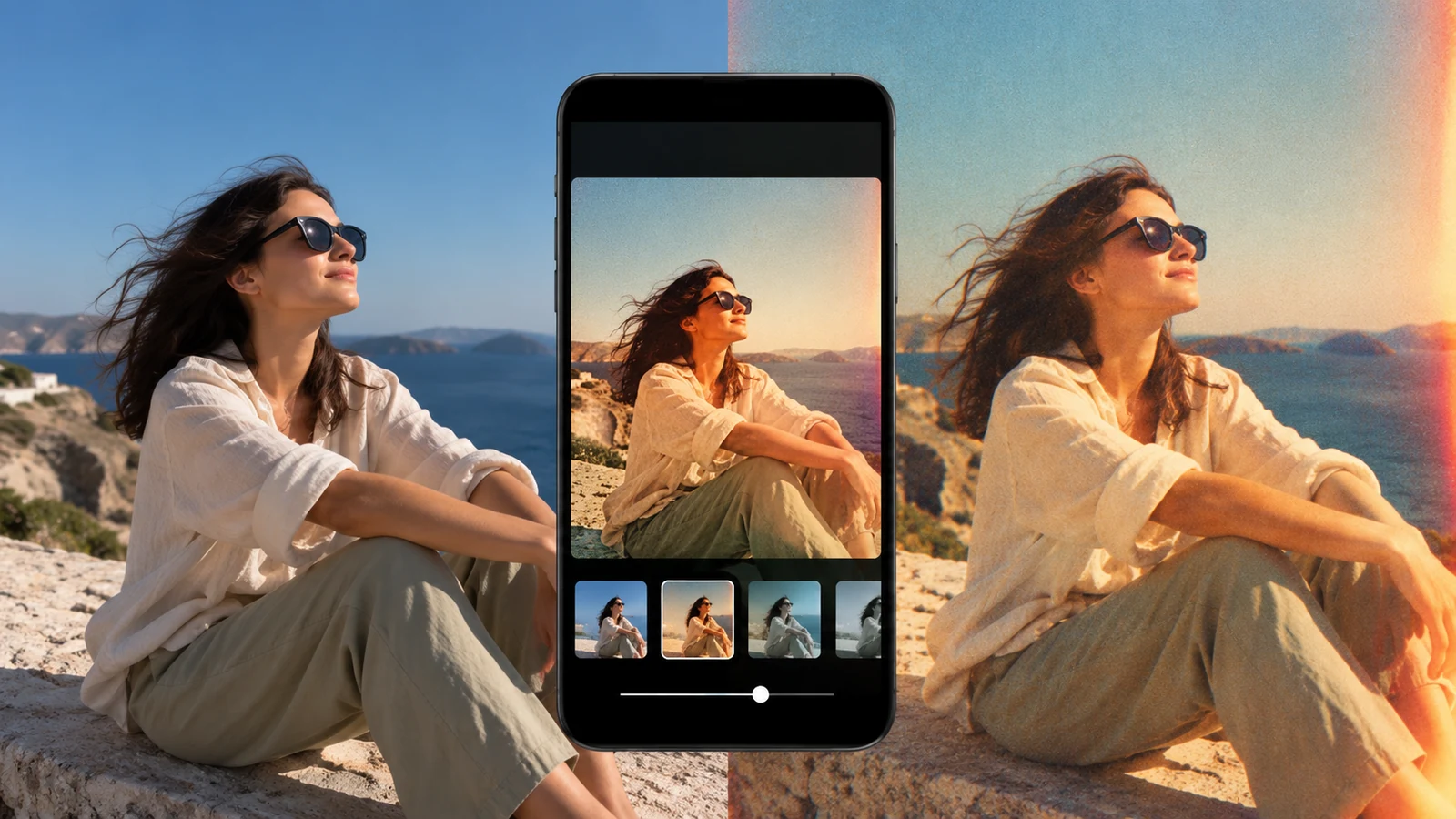
- Google Photos Moods offers looks inspired by 35mm film and old digital compact cameras.
- Google says these styles adapt to each image.
- The feature is available globally on Android.
- Digital retro styling is not the same as shooting with the original cameras.
Google Photos is bringing 35mm film and early-2000s digital compact aesthetics to smartphones, as the visual character of older cameras finds a new audience.
Google announced Moods on September 24, 2026 as part of five Photos updates. This is not a new October launch. The interesting question is why modern software is recreating looks once shaped by film stocks, sensors and the limitations of older cameras.
What Moods actually changes
Google says Moods applies styles that intelligently adapt to individual images rather than imposing precisely the same visual treatment on every photo. Its examples include 35mm film and 2000s digicam looks. The announcement does not provide technical benchmarks or promise an exact recreation of a named film stock or camera model.
The launch followed the early discovery of Moods inside the app. Eight experimental preset names had been found in the app code, but that should not be confused with a fully confirmed list of all options in the finished public release.
Why 35mm and digicam looks are desirable again
There is no single 35mm film aesthetic. Grain, colour response, contrast and exposure behaviour vary with the film stock, processing and scanning. Early-2000s digital compact cameras also developed distinctive results through small sensors, direct flash, colour processing and the spontaneity of their use.
For someone shooting on a smartphone, a quick style offers a visual mood without carrying an older camera or rebuilding an edit from scratch. The result, however, remains a contemporary capture processed digitally. A retro preset cannot recreate the physical experience or constraints of the original medium.
Convenience versus creative control
Moods is part of a wider Google Photos update focused on creative editing tools. Image-aware styling can save time for personal photography and social content, but a one-tap look cannot replace precise tonal work, local adjustments, colour management or consistent editing across a serious photographic series.
Availability also matters. Google explicitly says Moods is available globally in Google Photos on Android. Its announcement does not establish the same availability on iPhone or provide detailed specifications about device support, RAW workflows or the adjustment controls for individual styles.
What we think
The renewed appetite for older photographic looks makes sense. After years of computational photography pushing images towards greater clarity, brightness and technical perfection, many people actively seek visual character, including traits that might once have been dismissed as imperfections. Photo technology companies are responding to a preference that cannot be reduced to sharpness and dynamic range.
The notable idea behind Moods is making the style adapt to the photo without requiring the user to learn a complex editing workflow. That is convenient, but it deserves a critical eye: creating a pleasing vintage family photo is different from developing a coherent visual language for a photography project.
There is a limit to handing every aesthetic decision to an algorithm. If the entire character of an image arrives through a preset, it becomes easier to overlook choices made during shooting, lighting and individual editing. Moods can be a useful starting point, but they are not a substitute for the photographic process itself.
Frequently asked questions
Are Moods available on iPhone?
Google’s September 24, 2026 announcement confirms worldwide Android availability. It does not confirm the same Moods release on iOS.
Do they emulate a specific film stock or camera?
Google describes styles inspired by 35mm film and 2000s digital compact cameras. It does not claim a faithful simulation of any specifically named film stock or camera model.