

Summary
- AstrHori has launched an 8mm f/2.4 circular fisheye with a 220-degree view.
- It is designed for Fujifilm GFX and Hasselblad XCD.
- The manual-focus lens focuses down to 10 cm and projects a circular image.
- Introductory pricing is $359.
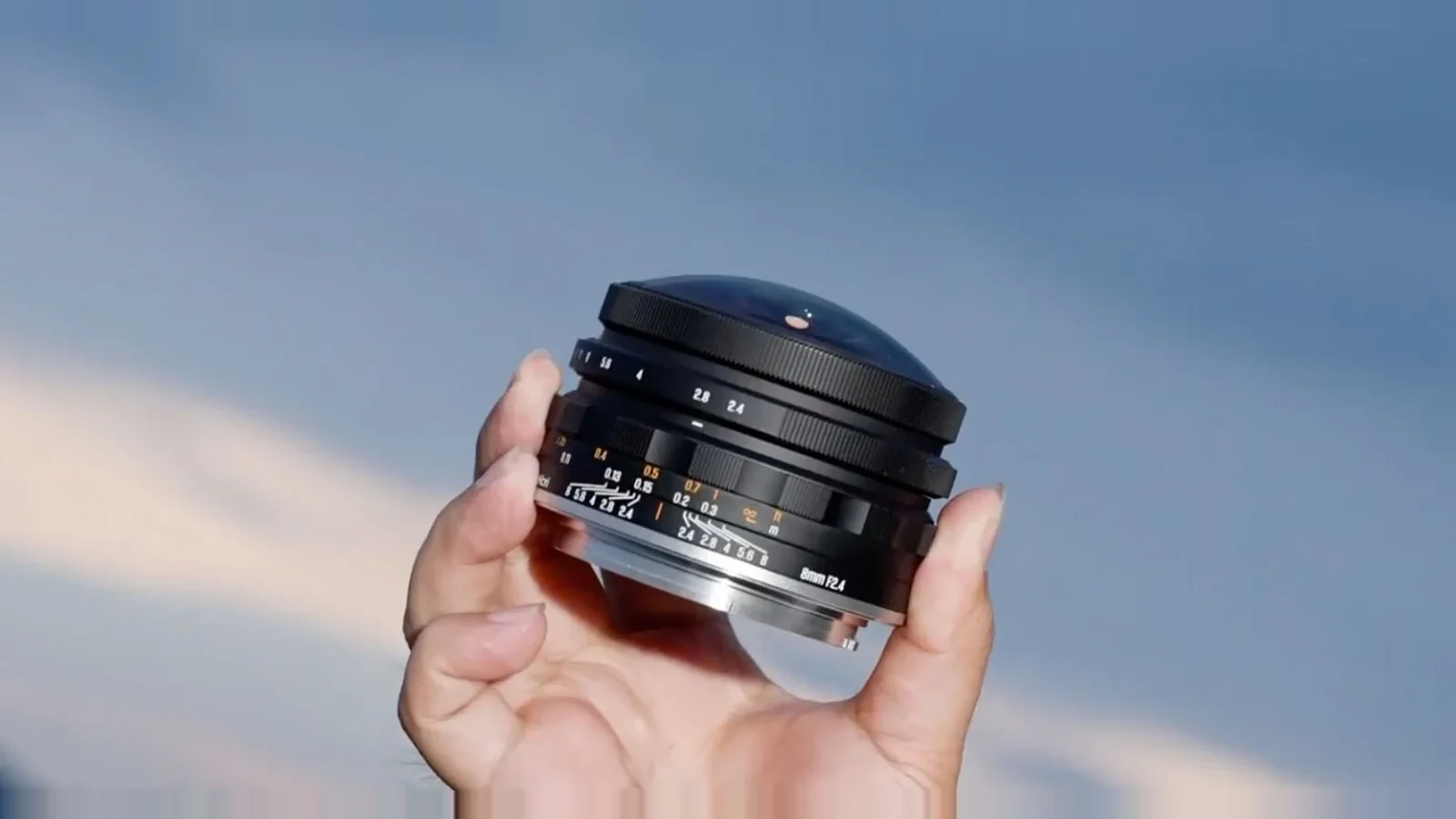
What happens when a lens captures not only what is in front of the camera but also part of what is behind it? The new AstrHori MF 8mm f/2.4 Circular Fisheye offers a striking answer for Fujifilm GFX and Hasselblad XCD cameras, with a 220-degree field of view.
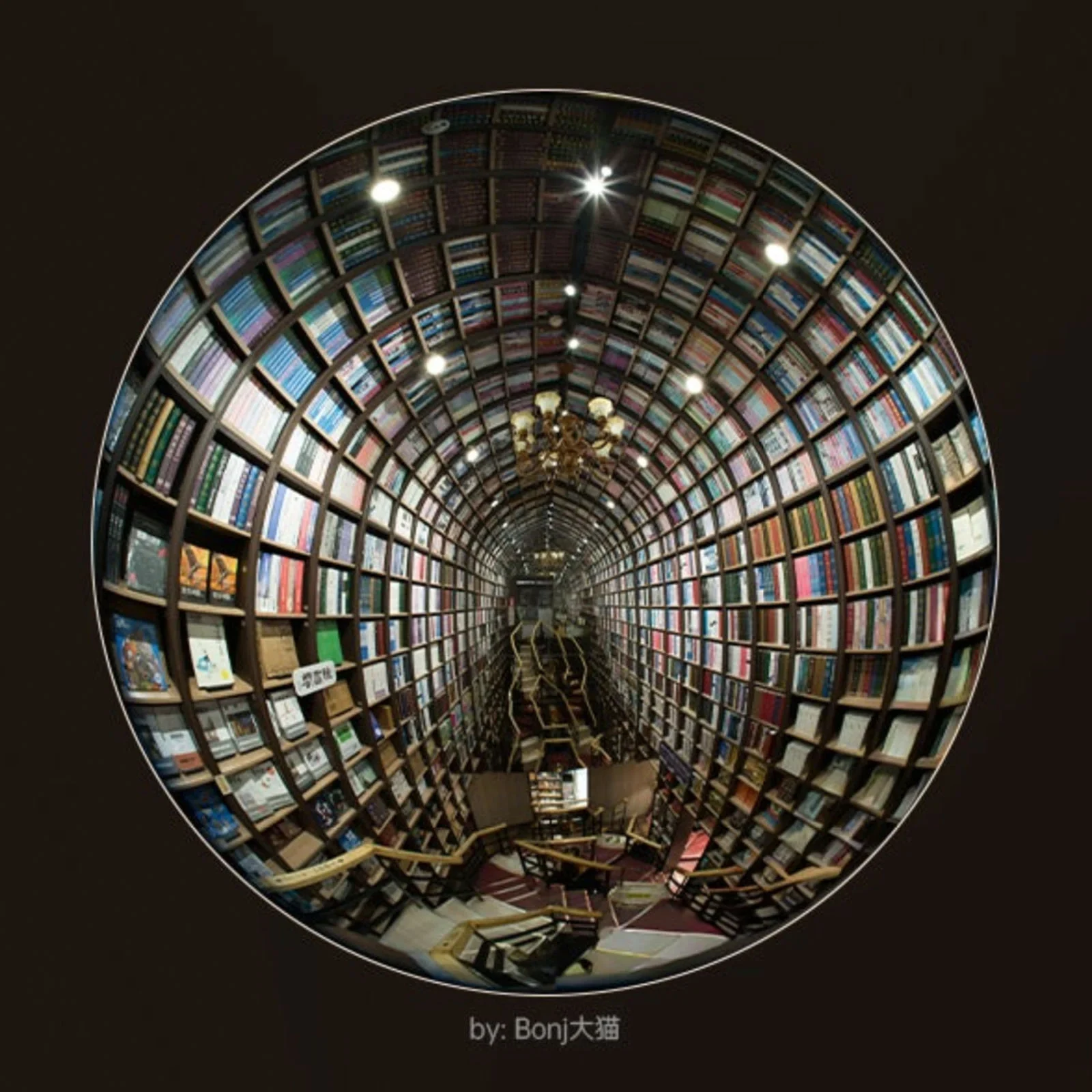
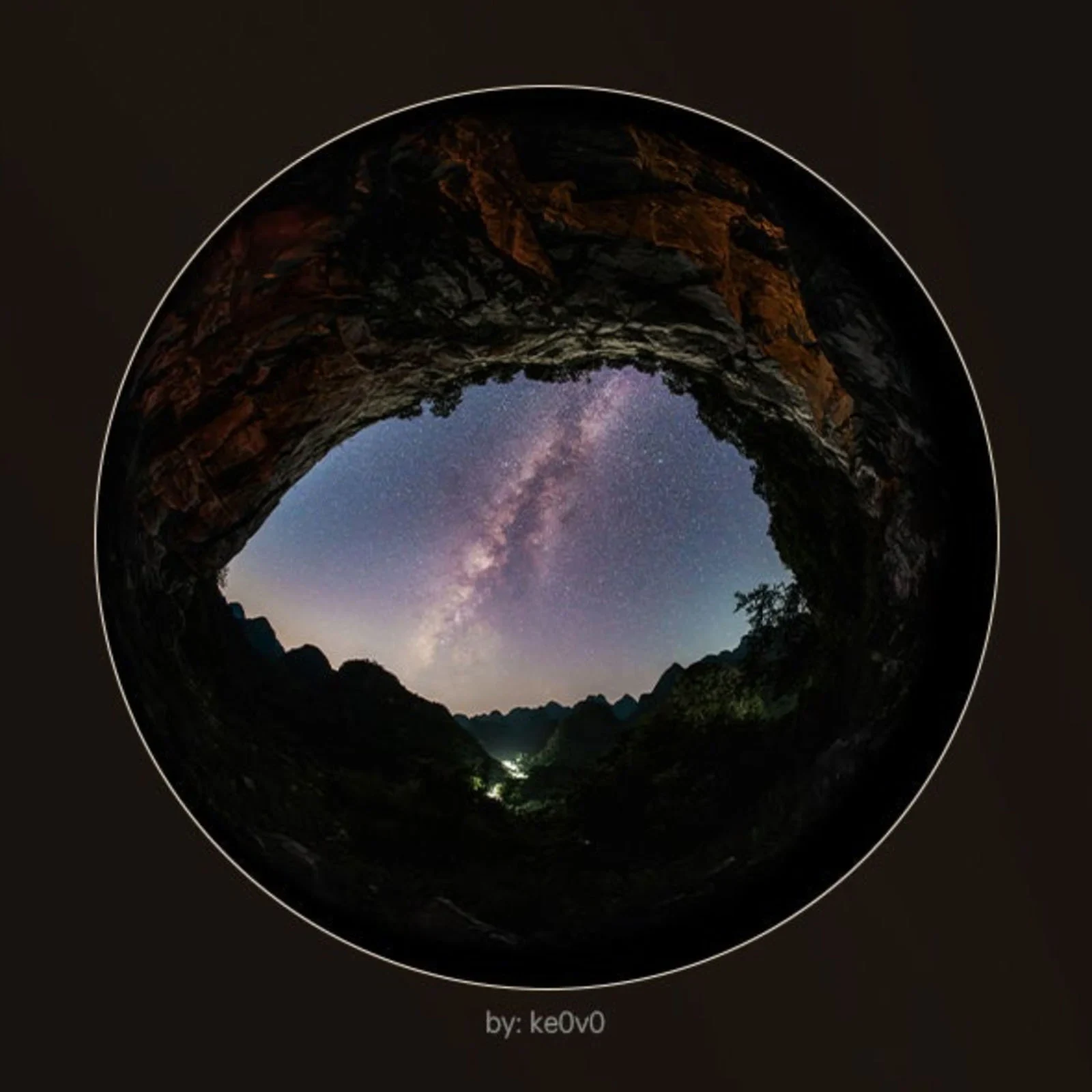
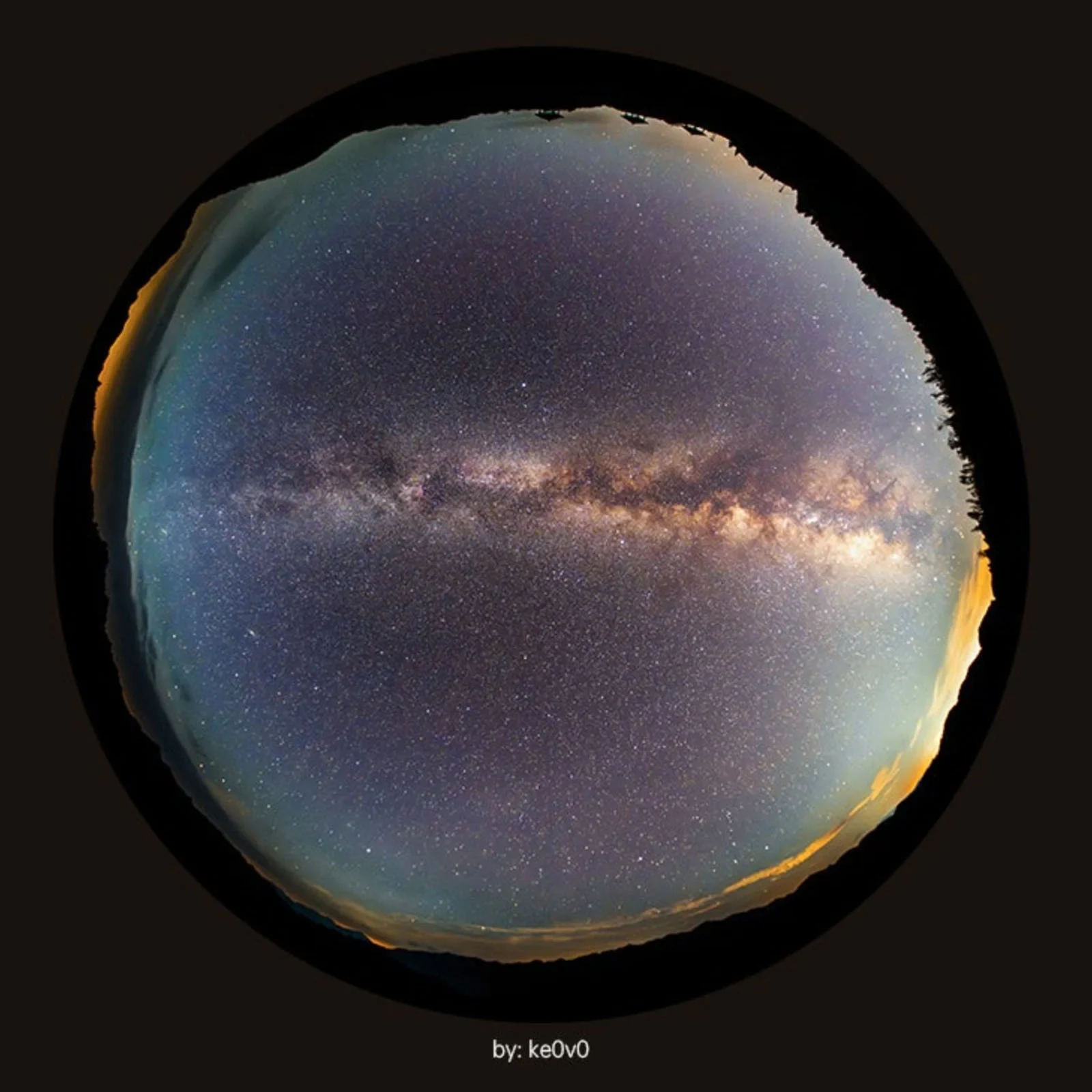
Introduced on October 16, 2026, this manual-focus lens projects a circular scene inside the rectangular image frame. AstrHori’s samples turn skyscrapers, bookshops and star-filled skies into self-contained miniature worlds.
What 220 degrees really means
Many fisheye lenses reach 180 degrees. The extra 40 degrees here extend the view beyond a flat plane across the optical axis, drawing in surroundings to the sides and even slightly behind the lens. At close distances, a photographer’s shoes, hands or equipment may unexpectedly appear in the shot.
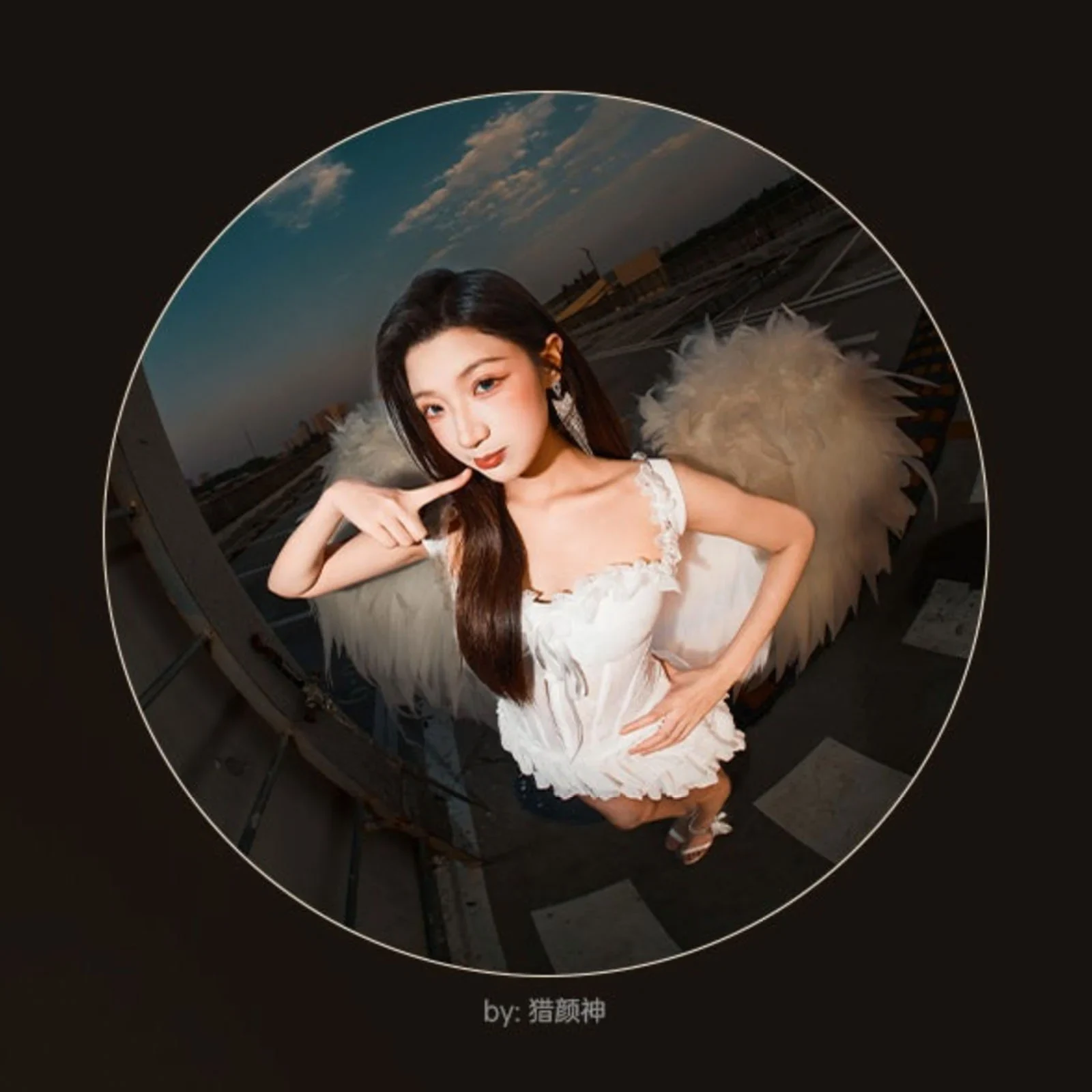
This is a circular fisheye, meaning the scene occupies a circle surrounded by darkness rather than filling the full rectangular frame. That appearance is part of its appeal, but it leaves substantially less useful image area if the final photograph needs a traditional crop.

Architecture, tight interiors and strongly symmetrical compositions can benefit from the spherical distortion. The lens is less suitable for assignments requiring straight lines and geometrically faithful building photographs. Other systems offer more flexible approaches, including the Sony FE 8–14mm with circular and diagonal fisheye views, although that lens is for full-frame rather than medium format.

From ten centimetres to the Milky Way
A 10-centimetre minimum focusing distance lets a foreground subject dominate the picture while much of the environment remains in view. This can be effective for experimental portraits and close-up animal photographs where exaggerated perspective is part of the story.

The f/2.4 maximum aperture is also attractive for night-sky photography, especially when capturing the sense of an entire celestial dome. However, selected promotional samples cannot establish corner sharpness, star rendering or flare control without independent testing.
Manual controls and construction
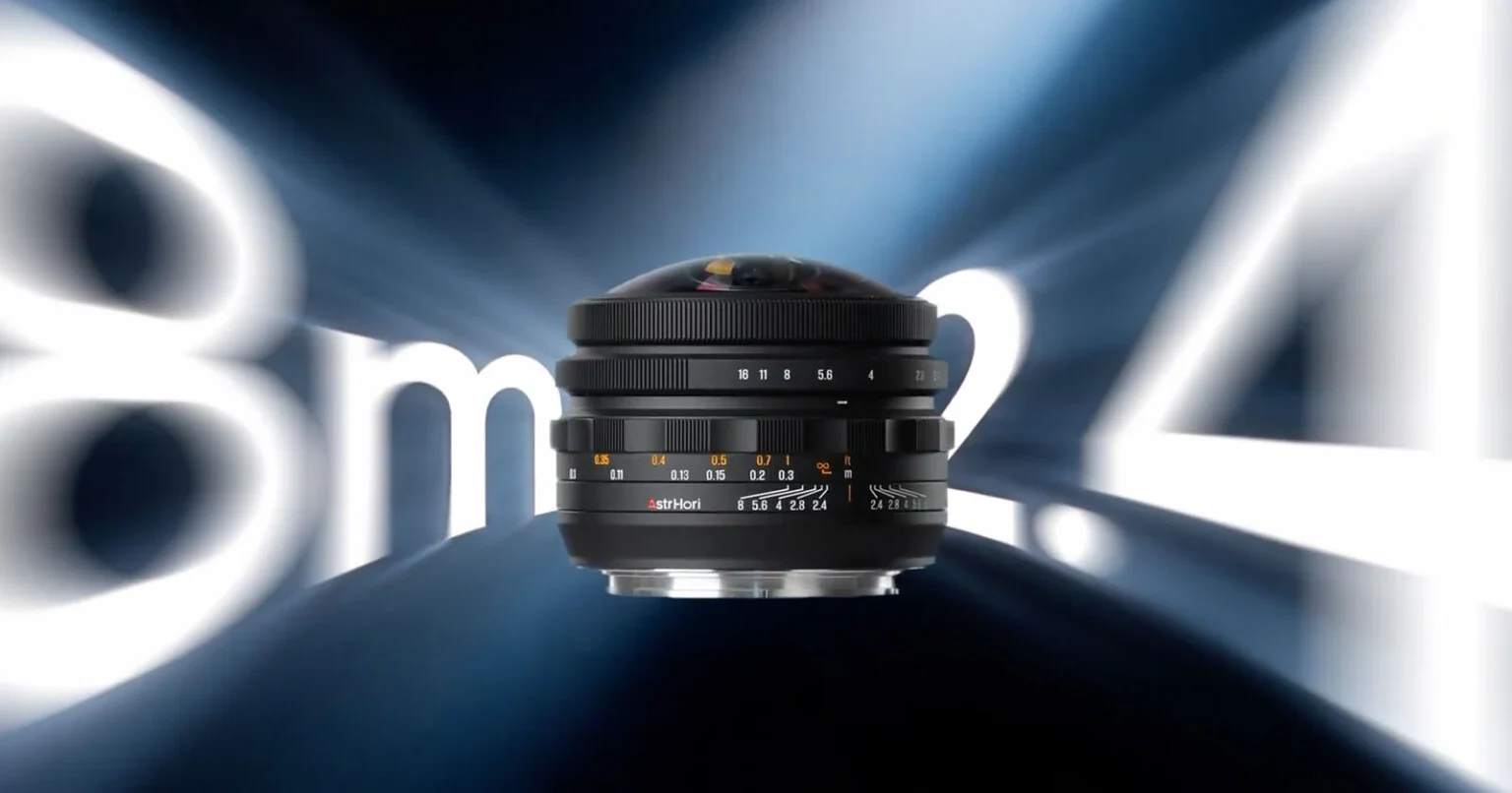
The optical formula comprises 10 elements in eight groups, including two ED and two high-refractive-index elements. A ten-blade diaphragm operates from f/2.4 to f/16. Those elements are intended to manage aberrations across an unusually broad view; independently measured optical performance remains unverified.
Both focus and aperture are manual. The metal barrel is about 80 mm wide. Detailed distribution specifications list the Fujifilm GFX version at approximately 62 mm long and 511 g, versus 65 mm and 536 g for Hasselblad XCD. Its protruding front element prevents conventional screw-on filters.
AstrHori already has a history of accessible manual medium-format optics, including its 40mm f/5.6 for Fujifilm GFX. This 8mm takes a very different path: instead of a discreet everyday lens, it deliberately makes distortion the central creative decision.
The official Japanese announcement also warns that sensor characteristics and extremely oblique light may cause colour shifts, false colour, smearing or reduced resolution near the image periphery. This matters for a lens built around such extreme coverage.
Price and availability
The lens is offered for Fujifilm GFX and Hasselblad XCD mounts. AstrHori lists an introductory price of $359, down from a regular $398. The launch offer was announced through October 20, 2026. These are US-dollar figures rather than a confirmed Greek retail price. An official euro price for Europe could not be established.
More information here.
What we think
The point of this lens is not to solve an everyday photographic problem. Its 220-degree view changes where we stand and what we allow into the frame. In a tight city space or beneath a clear night sky, that shift can produce genuinely interesting compositions.
Yet the circular format is a demanding visual style. If every photograph relies on the same dramatic border, the novelty may wear off quickly. More rewarding work will use the all-encompassing perspective to say something meaningful about a particular scene, rather than treating it as a one-click effect.
The announced price is appealing for such a specialised medium-format tool. We would still want to inspect full-resolution independent images, particularly stars and bright light sources, before judging how well it performs outside carefully chosen launch samples.
Frequently asked questions
Does the AstrHori 8mm fill the entire image frame?
No. It is a circular fisheye: the scene forms a circle within the rectangular photo, leaving a dark surrounding area.
Does it have autofocus?
No. Focusing is entirely manual, and the minimum focusing distance is 10 centimetres.
Is it compatible with Fujifilm X-mount cameras?
The Fujifilm version is made for G-mount GFX medium-format cameras, not the company’s APS-C X-mount system.