

Summary
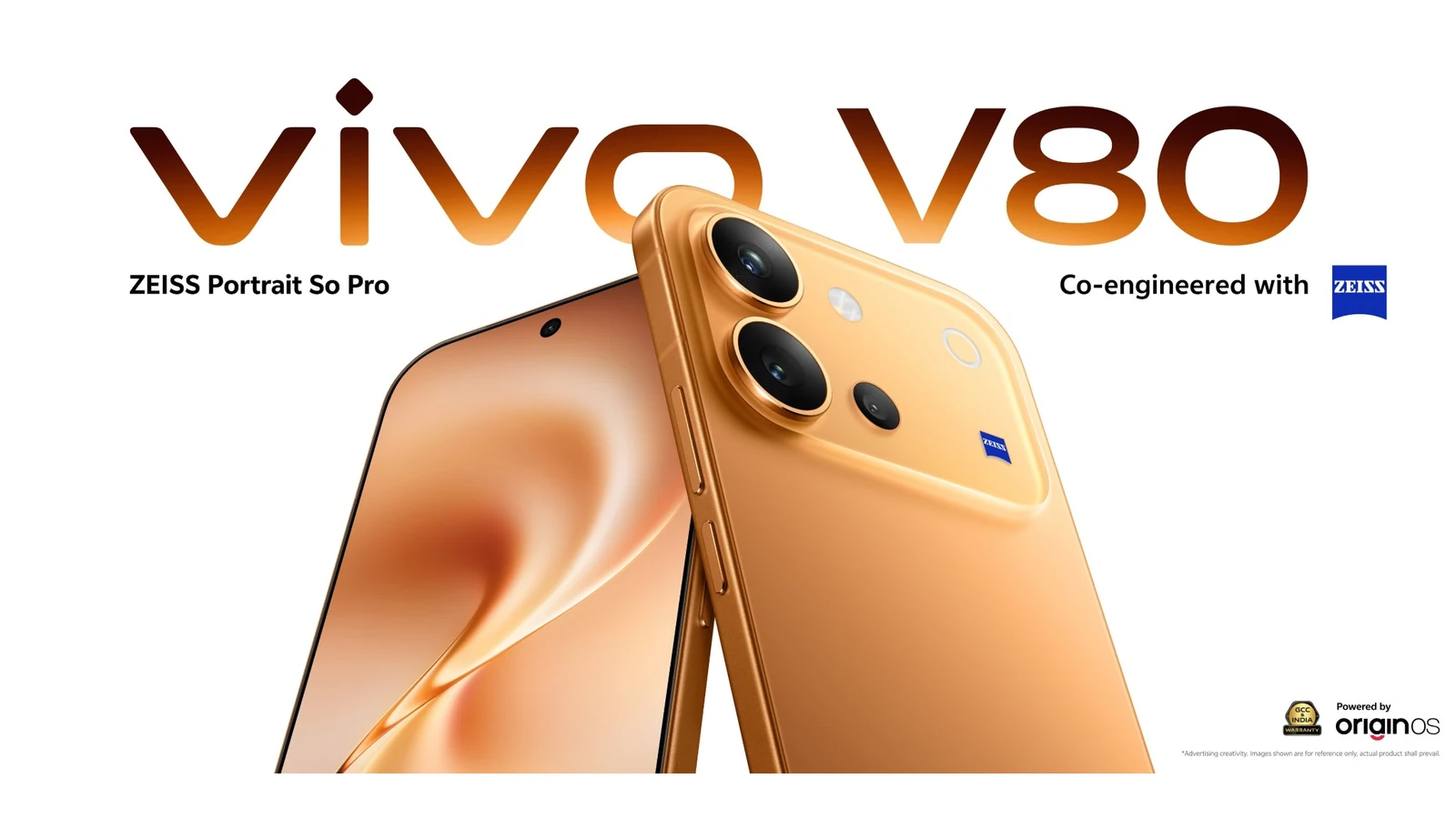
How far can a portrait move from the original scene when a phone adds light that was never there? The new vivo V80 pairs ZEISS cameras with AI tools that make that question impossible to ignore.
Announced in October 2026, the V80 puts portrait telephoto imaging alongside software that can change the mood of a photograph. The company’s examples demonstrate its claims, not the results of our own hands-on testing.
Two 50MP cameras, with a dedicated portrait telephoto
The main camera uses a 50MP, 1/1.56-inch Sony LYTIA 700V sensor with optical image stabilization. The ZEISS telephoto uses a 50MP, 1/1.95-inch Sony IMX882 sensor, OIS and genuine 3× optical magnification. That narrower field of view allows portraits and distant details without relying entirely on digital cropping.
For tighter portraits, vivo offers 85mm and 100mm-equivalent framing options and ZEISS-inspired bokeh styles. These are processed framing modes rather than two additional dedicated optical lenses.
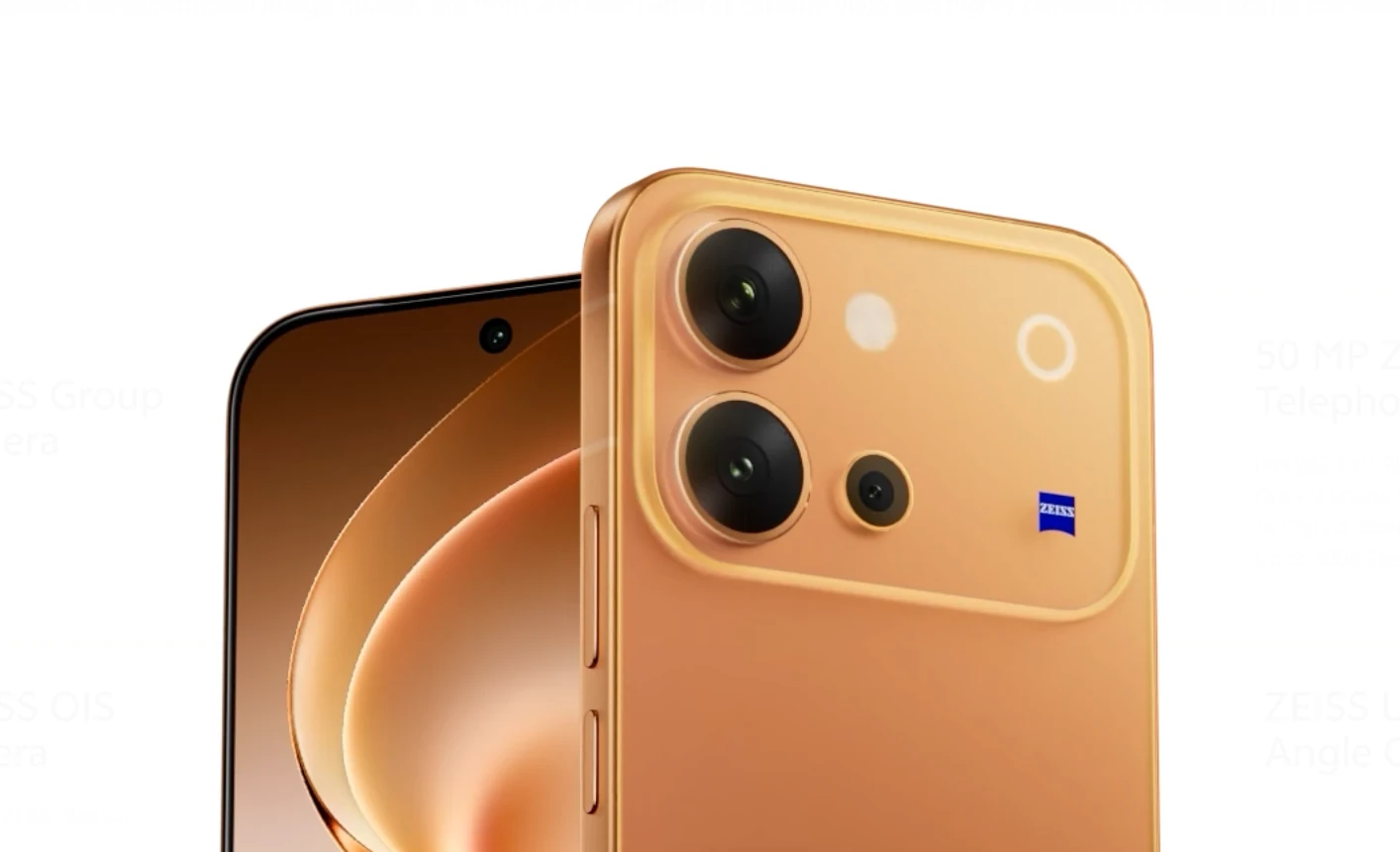
An 8MP ultrawide completes the rear system. At the front is a 50MP autofocus camera with a 92-degree field of view, which is particularly useful for group selfies and creator-facing video.
AI Creative Camera changes the lighting—and the meaning of the picture
The most distinctive feature is AI Creative Camera. Its effects include Sunlight, Glow, Top Lighting and Fireworks, introducing simulated illumination and atmosphere. Vivo shows before-and-after examples in which the apparent lighting changes without any actual lights being repositioned during the shoot.
That goes beyond a straightforward exposure adjustment. When software invents the direction or presence of a light source, viewers are looking at a creative reinterpretation of the original photograph. That is entirely usable in fashion, stylized portraiture and social content, but it raises a different issue in documentary or news photography.
Vivo presents the feature within its dedicated creative camera experience. We cannot confirm that the same effects can be applied to every existing gallery image. Nor do the promotional samples prove how reliably it handles hair, facial boundaries, shadows or different skin tones.
4K video and everyday content production
The V80 supports 4K video at up to 60fps and includes cinematic color styles, extending its appeal beyond still portraits to short-form creators, travel footage and social video. We have not independently assessed its stabilization, dynamic range or sound recording.
This direction did not start with the V80. The earlier vivo V70 combined ZEISS cameras with extensive AI tools, while the vivo X Fold6 takes a different ZEISS imaging approach with an optional telephoto extender. The V80 places particular emphasis on redesigning light within a portrait.
Price and availability
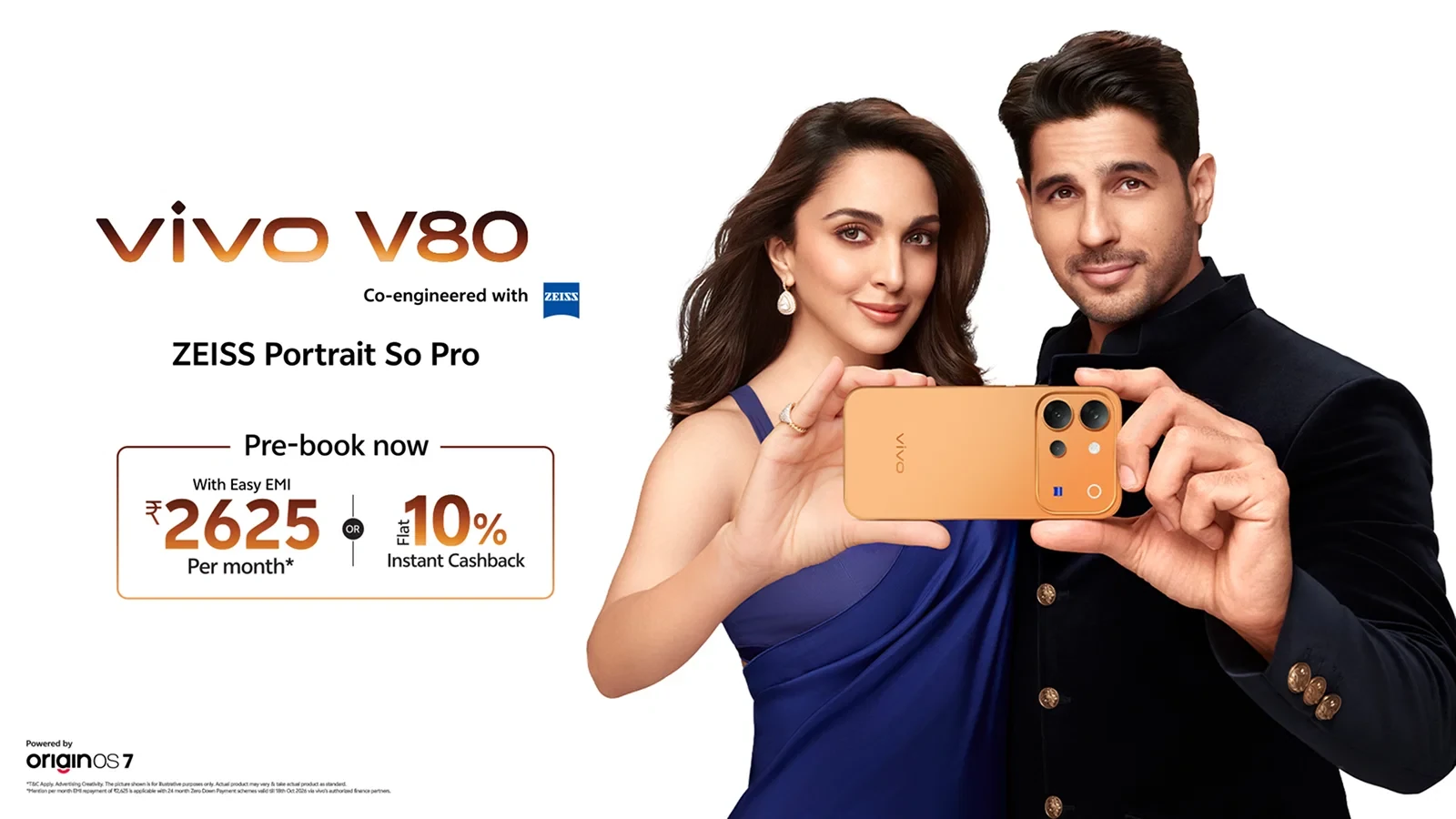
Sales in India began on October 13, 2026, with the 8GB/128GB version priced from INR 62,999 and higher-storage options costing more. No official Greek price or local launch date has been verified. More details are available on vivo’s official V80 launch page.
What we think
What makes the V80 interesting is not simply whether it can take a flattering portrait. Vivo is handing a fundamental photographic decision—how the scene is lit—to an automated system. Anyone who has worked with lights knows that direction, softness and placement determine how a face is perceived. AI can now make that decision after capture.
For creative portraiture, there is nothing inherently wrong with this. Photographers have always shaped light and edited images to express ideas. The critical distinction is disclosure: if the result is presented as an untouched, spontaneous photograph when the software has invented the lighting, viewers cannot know what was actually in front of the camera.
We also want to see original, full-resolution examples, not only curated marketing imagery. The real challenge lies in flyaway hair, glasses, hands close to faces and shadows that must remain coherent with the environment. Until then, this is an intriguing creative feature, not demonstrated proof of consistently convincing results.
Frequently asked questions
Does the vivo V80 have genuine 3× optical zoom?
Yes. Its 50MP Sony IMX882 telephoto camera provides 3× optical magnification. Higher zoom levels involve additional digital processing.
Does AI Creative Camera physically change the scene’s lighting?
No. Software changes the final appearance to simulate different illumination. The lighting present during capture remains unchanged.
Have its AI effects been independently tested here?
No. The available comparisons are produced by vivo and do not establish reliability across different subjects or environments.