

Summary
- vivo X500 Pro Max officially gets a 200MP ZEISS APO telephoto with a 1/1.4-type Samsung HP0 sensor.
- vivo cites CIPA 7.0 stabilisation, hardware 4x in-sensor zoom and capture up to 30x.
- The phone will work with an external 400mm ZEISS teleconverter.
- The new imaging platform previews approximately 17 stops of dynamic range and slow motion up to 4K/240fps.
- The X500 series launches in China in September, with no price or European availability yet.
The vivo X500 Pro Max now has an officially confirmed 200MP ZEISS APO telephoto camera with a Samsung HP0 sensor, CIPA 7.0 stabilisation and compatibility with an external 400mm teleconverter.
vivo product manager Han Boxiao published the key imaging details ahead of the X500 series launch in China in September. The Pro Max telephoto uses a 1/1.4-type sensor, supports hardware 4x in-sensor zoom and works with a new Super Snapshot Engine for captures up to 30x, according to the company’s measurements and terminology.
The announcement carries more weight than an ordinary leak because it comes from a vivo product executive and describes specific hardware. Several main-camera and video-pipeline details are still manufacturer claims made before independent testing, however, and the company has not yet published a complete specification sheet, price or international availability schedule.
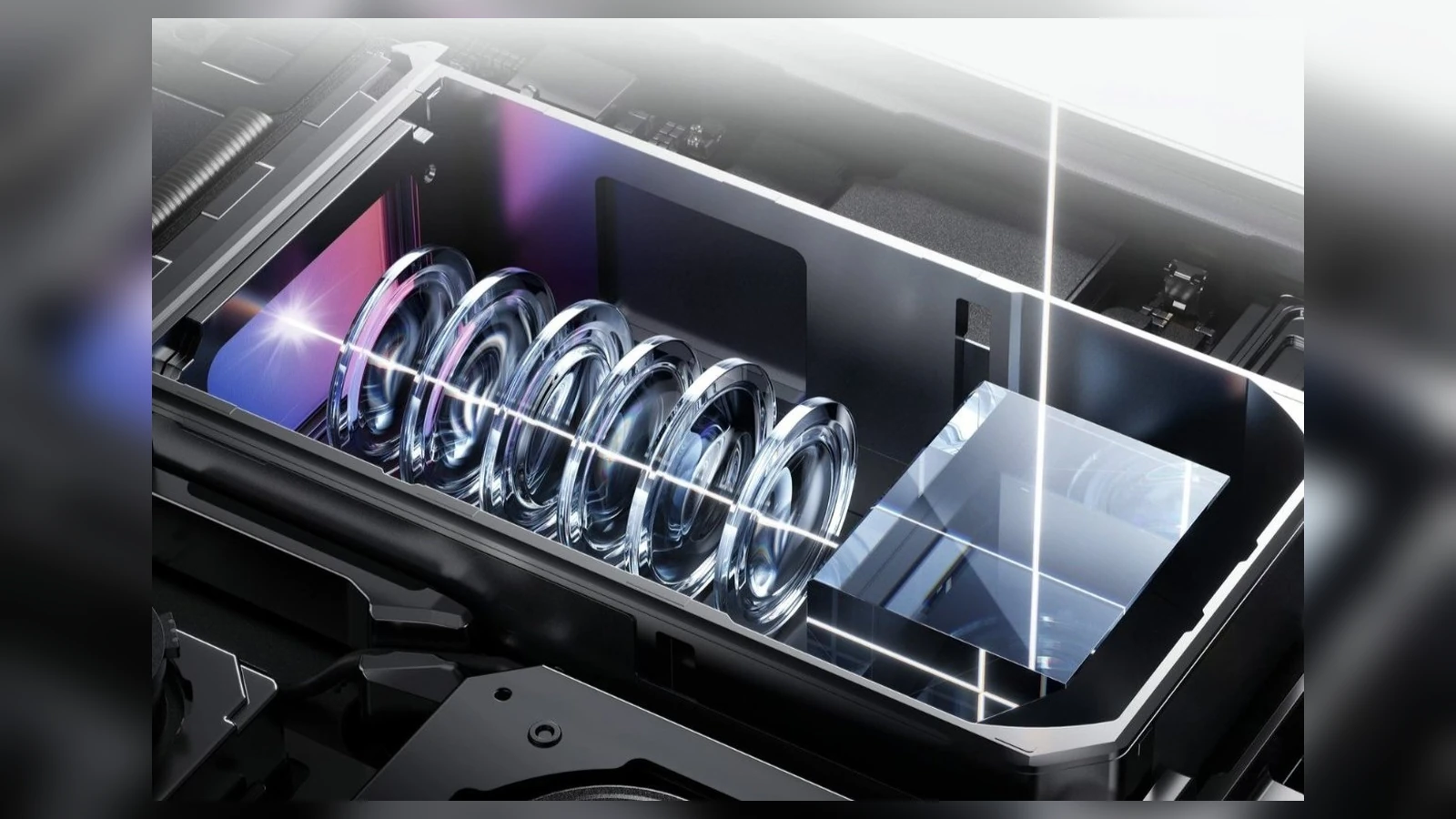
200MP ZEISS APO telephoto with Samsung HP0
The X500 Pro Max telephoto camera uses Samsung HP0, a 200-megapixel 1/1.4-type sensor also associated with vivo X300 Ultra. The optical design carries ZEISS APO certification, aiming to control chromatic aberration and preserve contrast in high-contrast subjects.
A 1/1.4-type sensor is unusually large for a smartphone periscope camera. Combined with 200MP, it provides more room for in-sensor cropping and intermediate focal lengths. This is not the same as optical zoom with a variable focal length: the sensor records a smaller portion of the image, and final quality depends on lens resolution, light and processing.
Hardware 4x in-sensor zoom and captures up to 30x
vivo describes hardware 4x ISZ, using the high resolution for two additional framing stages without relying entirely on conventional digital interpolation. The company says this makes more meaningful use of the 200MP sensor, particularly when the subject is far away.
The new Super Snapshot Engine is designed for fast-moving subjects and is promoted for capture up to 30x. vivo cites concerts, sport, birds and pets, where fast focus, a short exposure and stabilisation matter more than the nominal zoom figure. Until independent samples appear, “30x” should be understood as a feature of the overall computational pipeline, not 30x optical magnification.
CIPA 7.0 stabilisation
vivo claims CIPA 7.0 stabilisation for both the telephoto and main cameras of the Pro Max. A CIPA rating expresses the margin for using slower shutter speeds in stops under specific conditions, although smartphone comparisons require care because optical, electronic and computational stabilisation coexist.
The practical challenge is greatest on the telephoto camera: as the field of view narrows, every small hand movement is magnified. If implementation approaches vivo’s claim, it could help not only static low-light images but also framing stability before capture, subject tracking and video.
A 400mm teleconverter for greater reach
X500 Pro Max will be compatible with vivo’s external ZEISS 400mm teleconverter. The optical accessory is placed in front of the telephoto camera, increasing the equivalent focal length and turning the phone into a more specialised system for concerts, sport and wildlife.
PTTL previously covered the vivo X300 Ultra kit with a 400mm ZEISS extender. Compatibility with the new model shows that vivo is treating the accessory as part of a continuing camera ecosystem rather than a one-off experiment. Price, the exact mounting kit and availability across markets remain unknown.
The new main camera and the 17-stop claim
In official teasers for the X500 Pro series, vivo refers to a new “ZEISS Ultra Dynamic” main camera based on a custom sensor developed with Sony. The company promotes approximately 17 stops of dynamic range, intended to preserve more detail in faces placed against very bright backgrounds.
That figure is exceptionally high for a smartphone sensor, but vivo has not yet published a standardised measurement method or RAW files for independent verification. In computational photography the final image may combine multiple readings and frames, so a marketing dynamic-range claim is not directly comparable with a laboratory measurement of a dedicated camera.
vivo also cites an angular stabilisation range of around three degrees and twice the travel of the previous generation. This information concerns the main-camera platform presented for the series and requires confirmation for each model in the final announcement.
Video up to 4K/240fps
The new imaging platform is promoted with slow motion up to 4K/240fps and HDR video up to 4K/120fps. Recording 240 frames per second allows 10x slow motion on a 24p timeline, but it imposes extreme demands on sensor readout, bandwidth, heat and compression.
vivo has not yet published full information on codec, bit depth, bitrate, crop, recording duration or whether every mode will work on every camera and model. 4K/240fps should therefore be treated as an officially previewed platform capability, not a complete evaluation of X500 Pro Max video quality.
Availability and price
vivo has confirmed that the X500 series will be unveiled in China in September. There is no specific date on the official international site, euro price, price for Greece or confirmation that X500 Pro Max will launch in Greece. A full official product page has not yet been published.
What we think
X500 Pro Max appears to be building one of the most complete smartphone telephoto systems: a large 200MP sensor, APO optics, high stabilisation, in-sensor cropping and a real 400mm optical accessory. Unlike many rumours from this period, the core of these details comes from vivo. Final quality will still be determined by how naturally detail and colour are rendered in difficult light, how consistently focus tracks motion and whether the demanding 4K modes can operate without severe cropping or thermal limits.
Frequently asked questions
What telephoto camera does vivo X500 Pro Max use?
It is a 200MP ZEISS APO periscope telephoto with a 1/1.4-type Samsung HP0 sensor.
What does CIPA 7.0 mean?
It is vivo’s claim for stabilisation effectiveness in stops under specific conditions. Real performance requires independent testing.
Will it support a 400mm teleconverter?
Yes. vivo has confirmed compatibility with the external ZEISS 400mm teleconverter.
Does it support 4K/240fps?
vivo has previewed 4K/240fps slow motion for the new imaging platform, but has not published every limitation or camera-by-camera availability detail.
When will it launch and how much will it cost?
The series will be unveiled in China in September. Price, European availability and a Greece launch have not been announced.