

Summary
- A 23-year-old man was arrested in Hokkaido over a tree cut beside a railway line.
- The tree contacted a communications cable, allegedly creating a danger to train operations.
- Investigators say he wanted a better photograph of the Norokko tourist train.
- The train ran its final service on October 10, 2026.
A 23-year-old railway photography enthusiast has been arrested in Japan on suspicion of cutting down a tree with a chainsaw to improve a train photograph, creating a risk to rail operations.
The incident allegedly took place on September 30, 2026, near Kushiro in Hokkaido, as the tourist train Kushiro Shitsugen Norokko was nearing retirement. The suspect, a taxi driver from Sagamihara, was arrested on October 12, and the case was referred to prosecutors on October 14.
A fallen tree came into contact with railway communications equipment
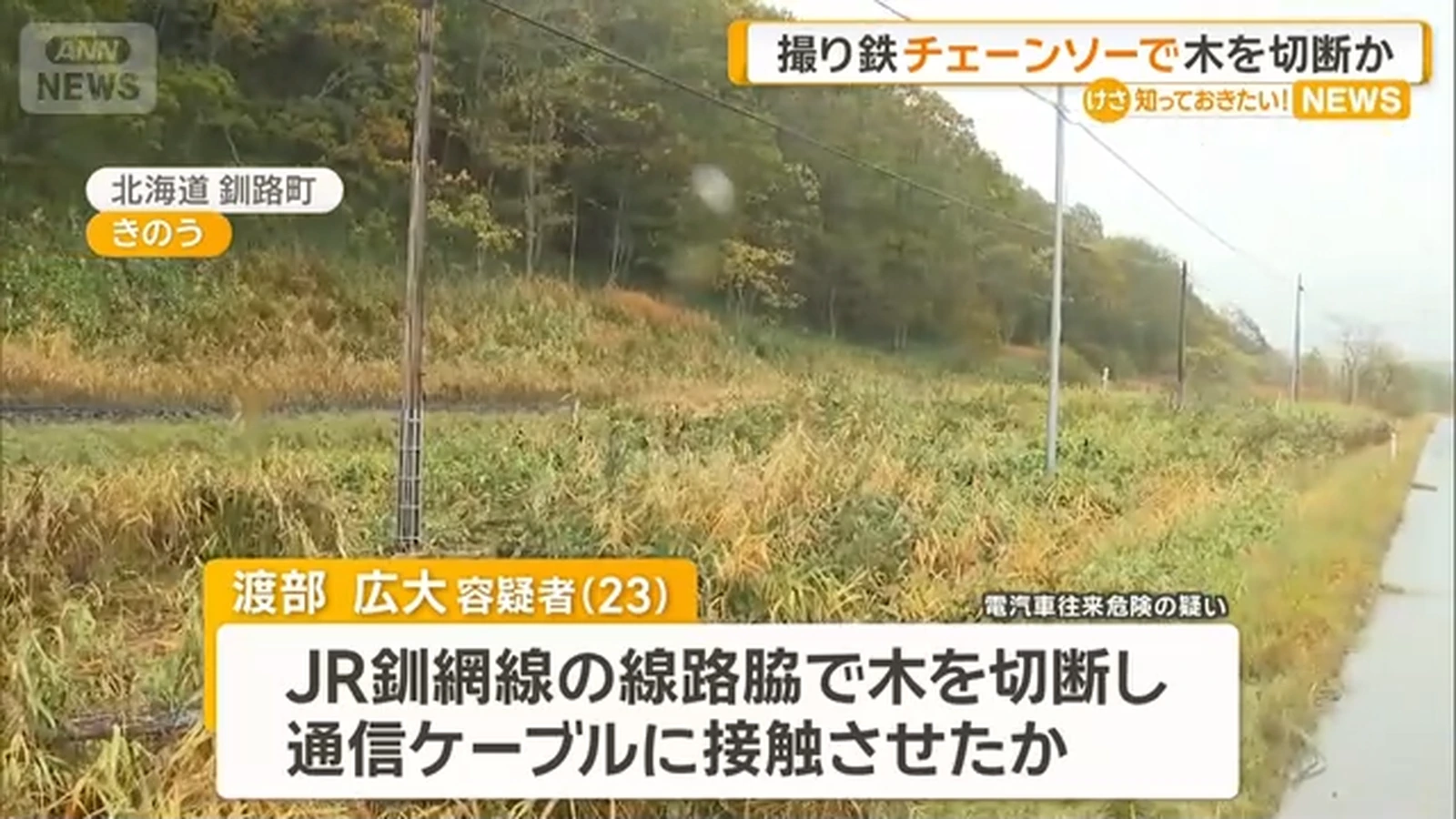
According to information attributed to the police investigation, the 23-year-old allegedly used a chainsaw to fell a tree on JR Hokkaido property between Tōya and Kushiro-Shitsugen stations on the Senmō Line. The fallen tree made contact with a communications cable used for railway operations. This is why the case is not simply about damaged vegetation: the suspected offence concerns endangering train traffic.
Investigators reportedly heard the suspect say that he wanted a better picture of the Norokko and considered it his last chance. These statements have been relayed through investigative reporting, rather than established by a court judgment. No conviction has been reported.
A popular tourist train reaches the end of the line
Kushiro Shitsugen Norokko was known for its scenic journey near the Kushiro wetlands. It completed its final service on October 10, 2026, after 37 years. Its impending retirement explains the interest from rail enthusiasts and photographers, but it does not excuse interfering with railway property.
Investigators also found other areas of cut vegetation and cuts to four wooden utility poles supporting cables. Police are examining whether these incidents are connected to the suspect; responsibility for all the damage has not been established.
What we think
It is hard to imagine a more misguided approach to improving a composition. Photographers can change their position, timing, distance and lens. They do not own the landscape, and they certainly cannot reshape railway property with a chainsaw. A cleaner frame is no justification for creating a potential hazard for train operations.
There is a poignancy to the fact that this train was about to retire. Wanting to document its final journey is understandable. But that is precisely the point of a photograph made at a specific place and time: it should record the train in its actual surroundings, not in a landscape that someone has first damaged to suit the frame.
The investigation will determine the suspect’s legal responsibility. As a matter of photographic practice, however, the boundary is clear: no picture is worth putting rail passengers or staff at risk.