

Summary
- Jérôme Gence received the 2026 Visa d’or Magazine award on September 5.
- The series documents symbolic marriages to fictional characters in Japan.
- Lucie symbolically married Mami from Rent-A-Girlfriend in a ceremony organised by Sun Euro.
- The award carries an €8,000 prize and the work is exhibited at Visa pour l’Image.
Jérôme Gence won the 2026 Visa d’or Magazine award for his photo essay about people in Japan who symbolically marry fictional characters.
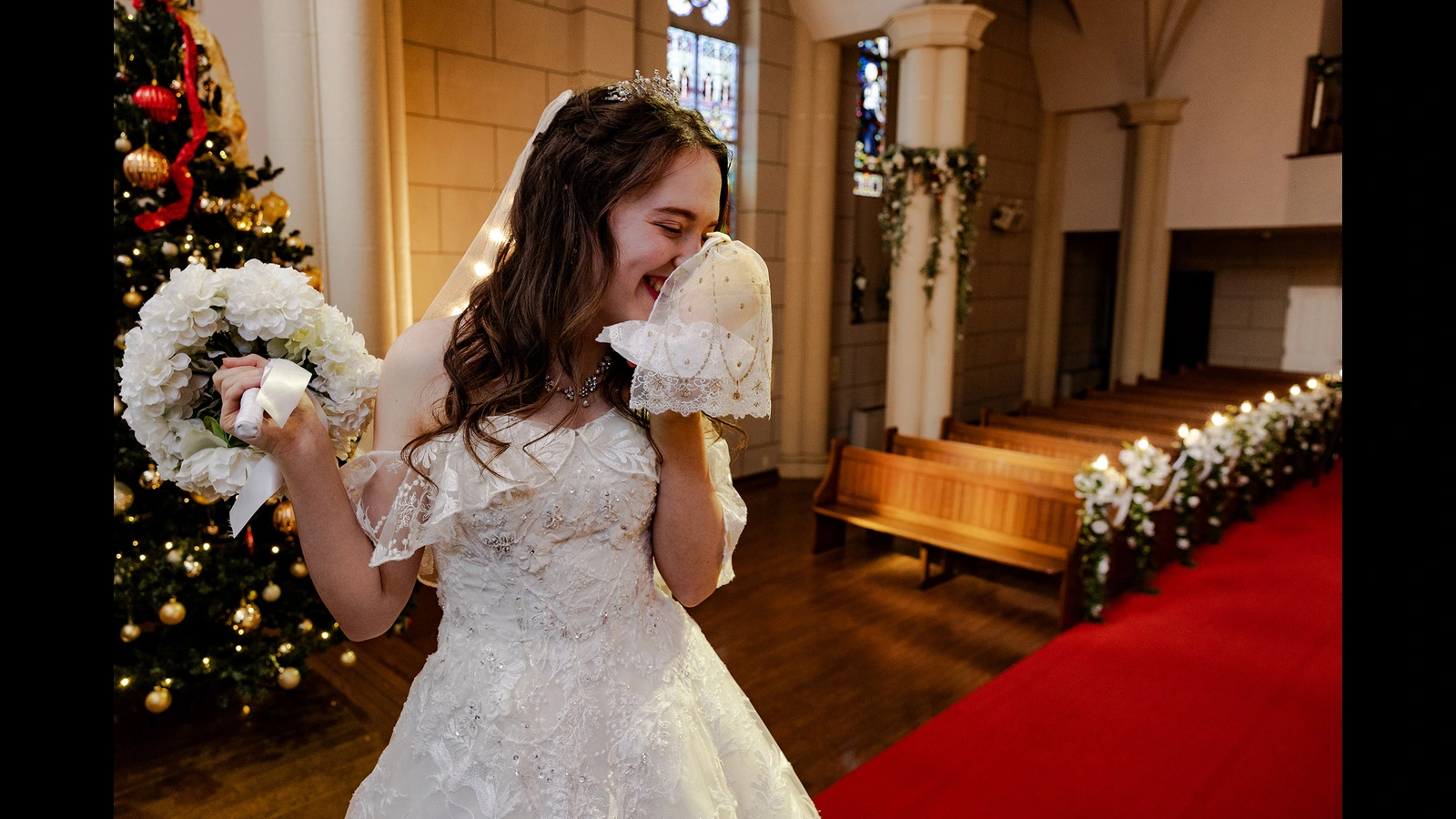
Lucie wears a wedding dress and holds a small plush figure of Mami, a character from Rent-A-Girlfriend. Her wedding took place in Japan on December 13, 2025. Her story is part of the work that earned Gence an award on September 5, 2026, at the Visa pour l’Image international photojournalism festival in Perpignan.
The photographs connect public wedding ceremonies with private daily life. Through them, Gence explores how attachment to a fictional character becomes part of a person’s life, as well as the services, products and rituals that develop around that relationship.
Lucie’s symbolic wedding to Mami
By the time she was photographed, Lucie had moved to Tokyo roughly a year earlier and was in a virtual relationship with Mami. The ceremony was organised entirely by Sun Euro, a company specialising in so-called “2D weddings”. This marriage has no legal status.
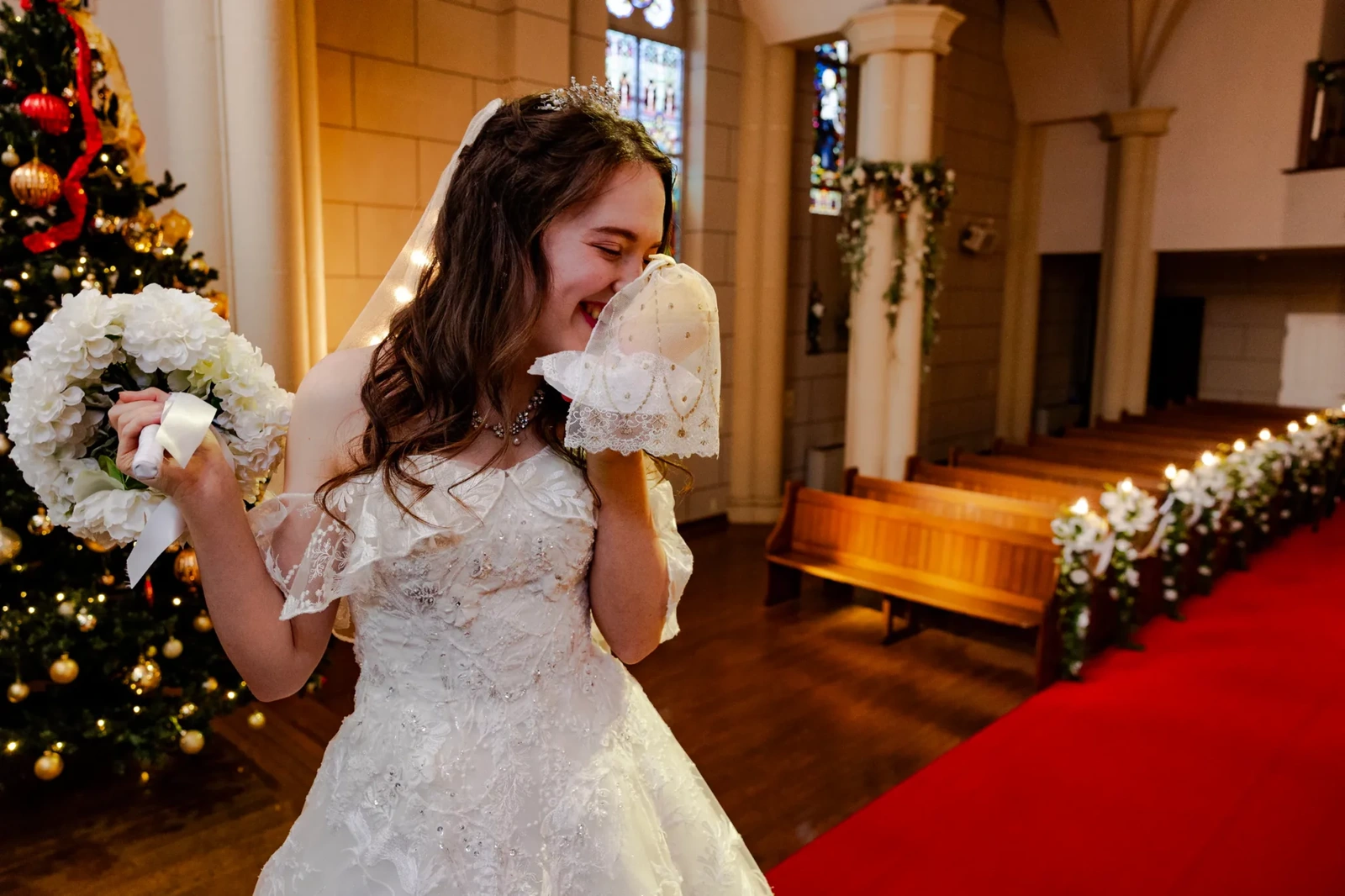
The venue, wedding dress and bouquet follow the familiar imagery of a wedding. The figure Lucie holds takes the partner’s place. Gence keeps both the woman and the setting of the ceremony in the frame, giving space to her gesture and expression.
From celebration to everyday life
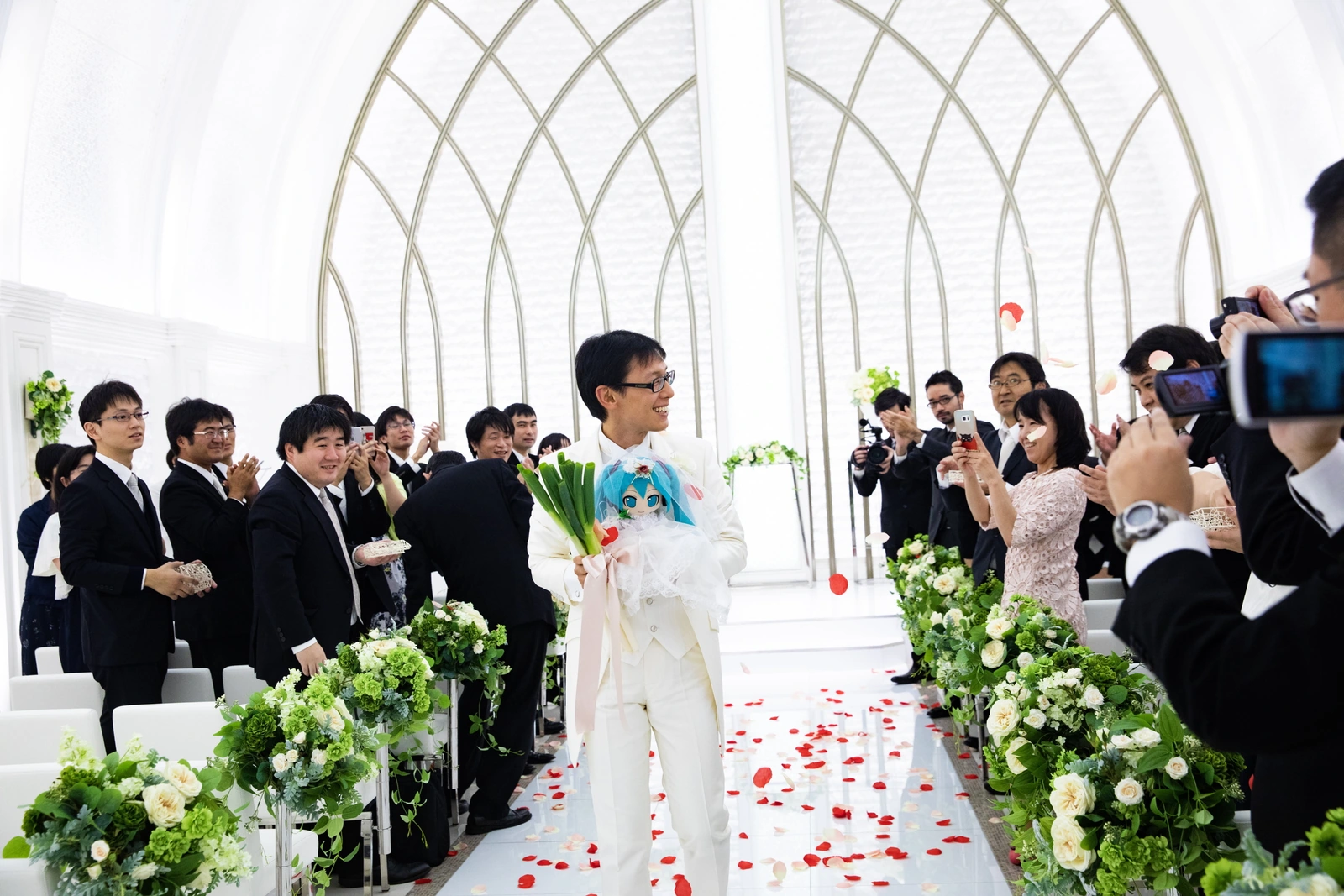
The series extends beyond one bride. It follows women and men who choose to marry characters, mainly from manga and video games. In one photograph, a man in a white suit walks down the aisle holding a plush figure, surrounded by guests applauding and taking photographs.
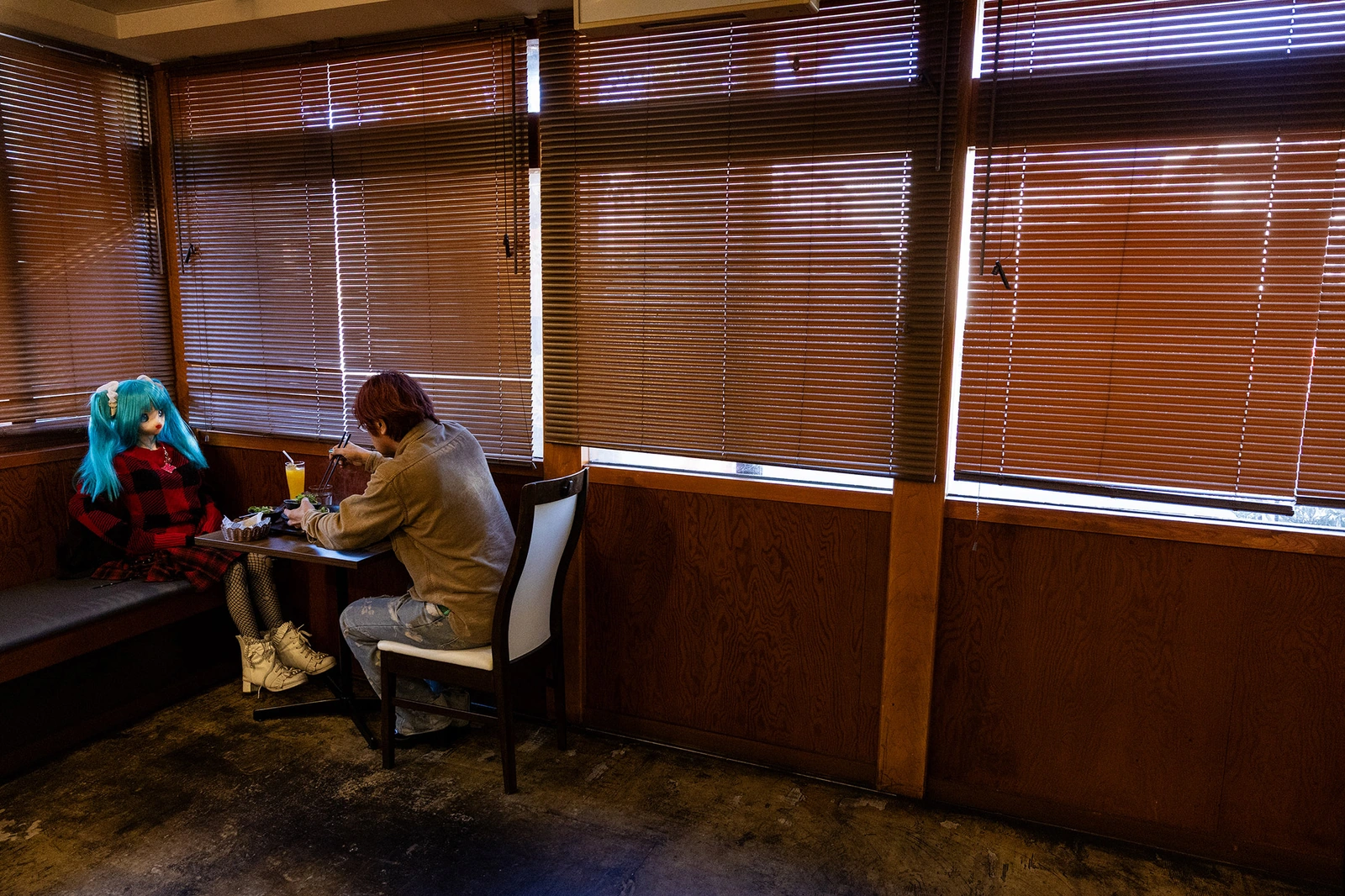
In another image, a man eats at a table opposite a large doll with blue hair. Wooden blinds and the nearly empty neighbouring tables create a setting very different from the wedding venue. Moving between these moments takes the story from a special occasion to routine.
Relationships within a culture of fictional worlds
The exhibition’s official presentation connects the subject with otaku culture—the intense engagement with worlds such as manga and video games—and the market for merchandise based on their characters. It also focuses on loneliness, social pressure, economic hardship and the growing presence of virtual worlds in human relationships.
Gence has explored the relationship between technology and everyday life in previous projects. Visa pour l’Image presented his series on remote work in 2021 and his work on growing up in the age of screens in 2024. Virtual marriages continue that investigation, this time through companionship and changes in the idea of a couple.
The Visa d’or Magazine award and the exhibition
The Visa d’or Magazine award carries an €8,000 prize, funded for the nineteenth time by the Occitanie / Pyrénées-Méditerranée Region. “Virtual marriages in Japan” is shown at the Église des Dominicains as part of the festival’s 2026 edition. Further information and photographs are available on the official exhibition page.
What we think
Gence’s most effective choice is to pair the wedding ceremony with an ordinary moment at a table. This gives the series a life beyond the viewer’s initial surprise and presents people with their routines and relationships, not merely as participants in an unusual wedding.
Frequently asked questions
Which project earned Jérôme Gence the award?
Jérôme Gence won the 2026 Visa d’or Magazine award for “Virtual marriages in Japan”, a series following people in Japan who symbolically marry fictional characters. The award was presented on September 5 and carries an €8,000 prize.
Who is Lucie, the bride in the photographs?
Lucie symbolically married Mami, a character from Rent-A-Girlfriend, in Japan on December 13, 2025. The ceremony was organised by Sun Euro, a company specialising in “2D weddings”.
Where is “Virtual marriages in Japan” exhibited?
The series is shown at the Église des Dominicains in Perpignan, France, as part of Visa pour l’Image 2026.