

Summary
- Jean-François Leroy died in Paris on August 31, 2026, at the age of 69.
- He founded Visa pour l’Image in Perpignan in 1989 and directed it for nearly four decades.
- He turned the festival into an international reference point for photojournalism exhibitions, screenings, meetings, awards and grants.
- His legacy is tied to the defence of eyewitness reporting, press freedom and the credibility of images.
- From working behind the camera to supporting other photographers
- The formula that made Perpignan a reference point
- A festival that defended the value of eyewitness reporting
- His final intervention on artificial intelligence
- His place in the industry’s major debates
- What remains after Jean-François Leroy
- What we think
- Frequently asked questions
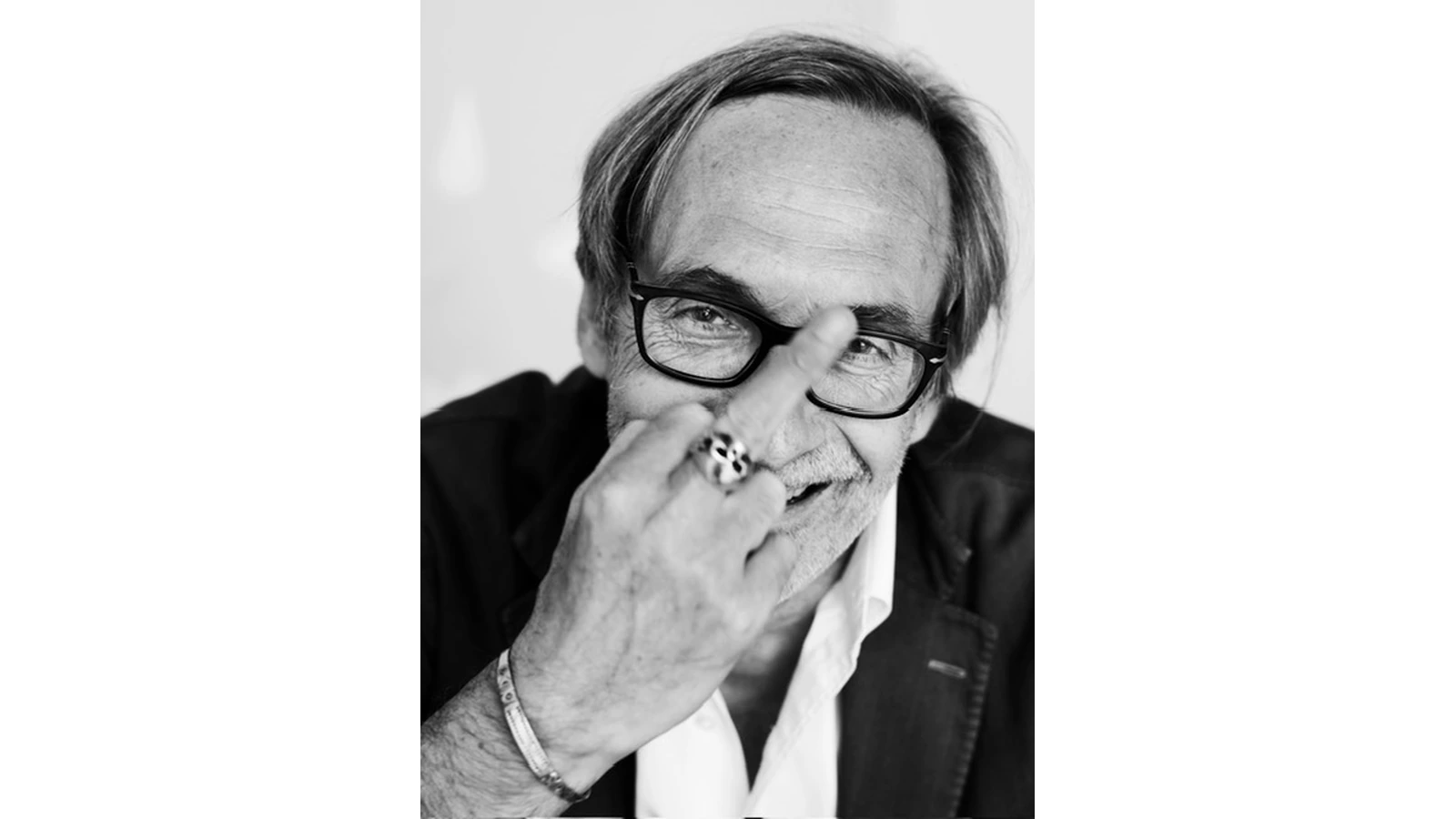
The death of Jean-François Leroy removes one of international photojournalism’s most recognisable and persistent voices, but the Visa pour l’Image festival he created remains a living testament to his influence.
His family and the Visa pour l’Image team announced that the festival’s founder and longtime director died in Paris on the morning of August 31, 2026, at the age of 69. The news emerged on the day the 38th edition opened in Perpignan, the first edition he was unable to attend.
His loss carries particular weight because Leroy did not merely run an annual event. From 1989 onward, he gave photojournalism a stable international stage during a period when newspapers, magazines, agencies and the entire economic model of news photography were undergoing radical change.
From working behind the camera to supporting other photographers
Jean-François Leroy was born in Paris on October 3, 1956. Before devoting himself to promoting the work of other creators, he worked as a photojournalist for Sipa Press and contributed to French photography magazines. He later represented photographers and became editor-in-chief of Photo Magazine.
That experience helps explain why he treated photojournalism as a profession with real needs, not merely as a cultural product. He understood firsthand how a story is produced, the relationship with editorial teams, funding, exposure to risk and the need to bring work to the public without losing its meaning.
The formula that made Perpignan a reference point
In 1989, with the help of Paris Match’s Roger Thérond and Photo’s Michel Decron, Leroy created Visa pour l’Image in Perpignan. Its basic structure remained consistent: free exhibitions at venues across the city, major evening screenings, meetings with photographers, portfolio reviews, awards and grants.
Keeping the exhibitions free broadened the audience beyond a narrow professional circle. At the same time, the professional week turned the festival into a place where photographers, agencies, curators and international editorial teams could meet around real stories rather than simply around the equipment market.
A festival that defended the value of eyewitness reporting
Under his direction, Visa pour l’Image presented wars, migration routes, social inequality, environmental crises and everyday stories from around the world. It created space for both established photojournalists and younger creators, while its grants helped long-term projects reach completion and find an international audience.
Leroy consistently defended photojournalists against shrinking budgets, the weakening of photo agencies, restrictions on press freedom and the replacement of documented testimony with easy or fabricated images. His stance could be sharp, but it remained focused on a fundamental question: who goes into the field, who takes the risk and who guarantees that an image corresponds to a real event?
His final intervention on artificial intelligence
In his editorial for the 38th edition, Leroy began with a fake photograph of Venezuelan president Nicolás Maduro that misled even news professionals. Yet instead of treating artificial intelligence only as a disaster, he argued that the need for reliable, recent and verified data could become an opportunity for journalism.
That position summarises a central part of his legacy: technology changes, but the value of documentation, presence in the field and editorial responsibility does not disappear. On the contrary, it becomes more critical when audiences struggle to distinguish a record from a fabrication.
His place in the industry’s major debates
Leroy did not avoid disputes over historical memory and photojournalistic ethics. PTTL documented his public support for Nick Ut and his criticism of World Press Photo during the debate over authorship of the historic “Napalm Girl” photograph. His intervention was not only about a name in the credits, but also about how organisations and archives manage the credibility of photographic history.
What remains after Jean-François Leroy
His most important achievement is not a catalogue of exhibitions or awards, but the creation of a stable public space for photojournalism. For nearly four decades, Perpignan became a meeting point for people who document the world, often in difficult and dangerous conditions.
The 38th edition opened without his physical presence, but with his selection of work and his editorial direction. The institution’s future will be judged by whether it maintains that independence, its commitment to real eyewitness reporting and its substantive support for photographers.
What we think
Jean-François Leroy left something rarer than a successful event: an institution with a clear position on what photojournalism should be. At a time when images are produced, distributed and questioned at unprecedented speed, his insistence on eyewitness reporting, curation and responsibility to the public becomes even more important. The most meaningful tribute to his memory would be for Visa pour l’Image to continue giving space to photographers who go where others cannot or do not want to look.
Frequently asked questions
Who was Jean-François Leroy?
Jean-François Leroy was a French photojournalist, editor and founder of the international photojournalism festival Visa pour l’Image in Perpignan, which he directed from 1989.
When did he die and how old was he?
He died in Paris on the morning of August 31, 2026, at the age of 69.
Why is Visa pour l’Image important?
It is one of the main international meeting points for photojournalism, with free exhibitions, evening screenings, professional meetings, awards and grants.
What is his central legacy?
He created a public and professional space that defends the power of photographic testimony, supports photojournalists and keeps the debate over image ethics and credibility open.