Summary
- Tenzing retells the 1953 Everest ascent through Tenzing Norgay’s perspective.
- Filming took place in Nepal and on New Zealand glaciers in temperatures reaching −25°C.
- Cinematographer Stefan Duscio describes shooting in real crevasses and on challenging ridgelines.
- Twelve experienced Sherpa climbers contributed to the production and its mountain safety.
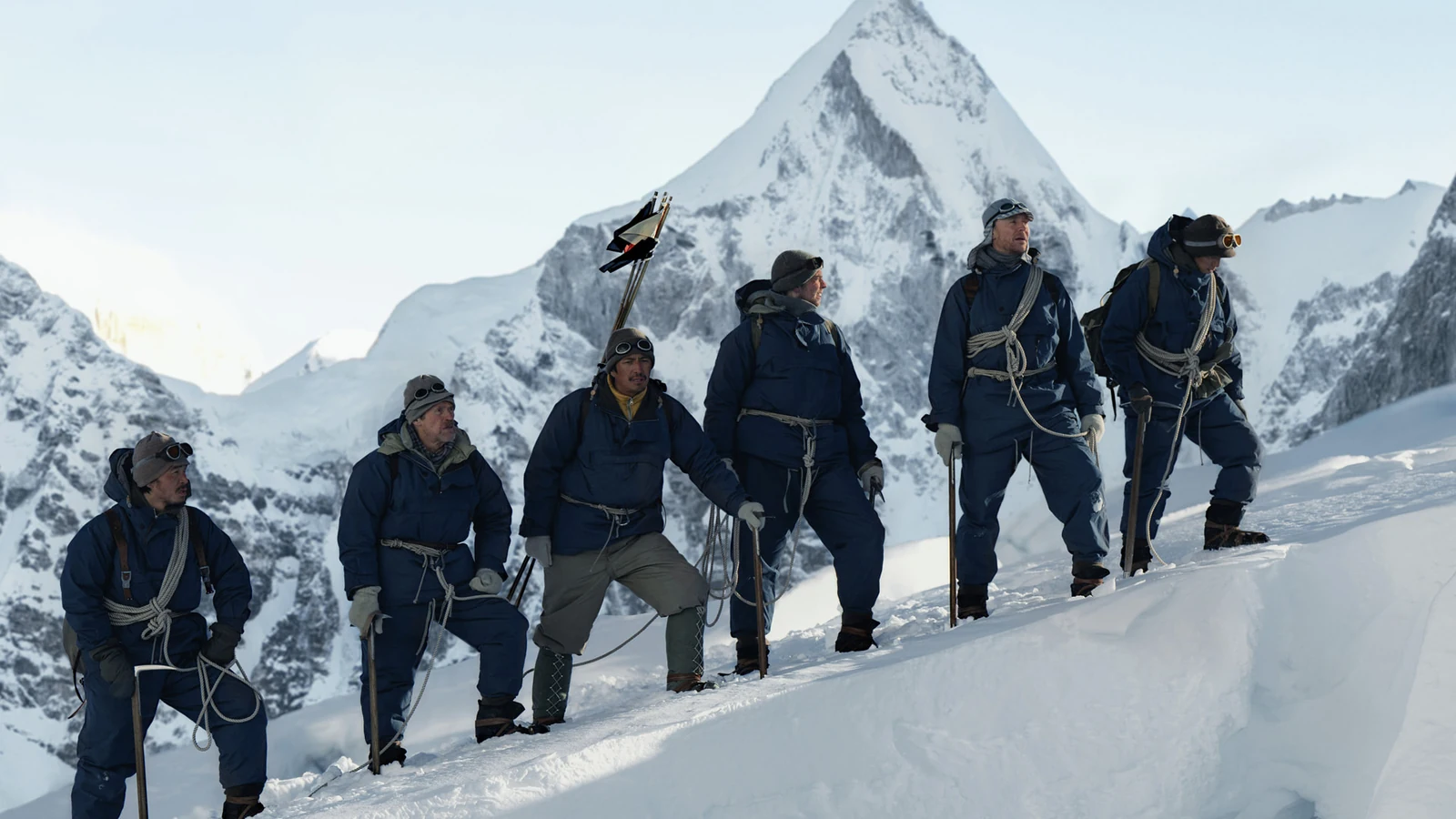
The new film Tenzing recreates the first successful Everest ascent by filming on real glaciers, in temperatures reaching −25°C, with a crew that had to work like a mountaineering expedition.
Cinematographer Stefan Duscio and director Jennifer Peedom chose locations in Nepal and New Zealand rather than relying entirely on sets or digital environments for their most demanding sequences. That decision required real climbing preparation, mountain-safety procedures and carefully planned camera work.
The official Apple TV trailer offers a first look at the cinematography and alpine landscapes.
How New Zealand stood in for Everest
The Aoraki/Mount Cook region was central to the high-altitude sequences. Glaciers, steep icy slopes and dramatic ice formations allowed the production to find landscapes resembling those on Everest. The Darwin Icefall served as a visual stand-in for the hazardous Khumbu Icefall.
Temperatures at some New Zealand locations dropped to −25°C. This affected actors, climbers and technicians, the movement of equipment and the time available for each setup. The harsh conditions were part of the production itself, rather than a studio illusion.
Filming in Nepal and at Everest Base Camp
The production also filmed in Nepal, from Lower Mustang to the Khumbu Valley. Duscio, five crew members and porters obtained special permission to shoot at Everest Base Camp outside the usual climbing season. After trekking to the camp, they recorded the landscape from the ground and using drones and helicopters.
These images served a specific storytelling purpose: genuine Himalayan footage needed to connect convincingly with climbing scenes shot in New Zealand. For the cinematography, the challenge was to maintain geographical and visual continuity between two different mountain environments.
Demanding mountain cinematography is also central to the documentary Everest: The Other Side, which follows a real expedition on Everest’s North Face.
Inside real ice crevasses
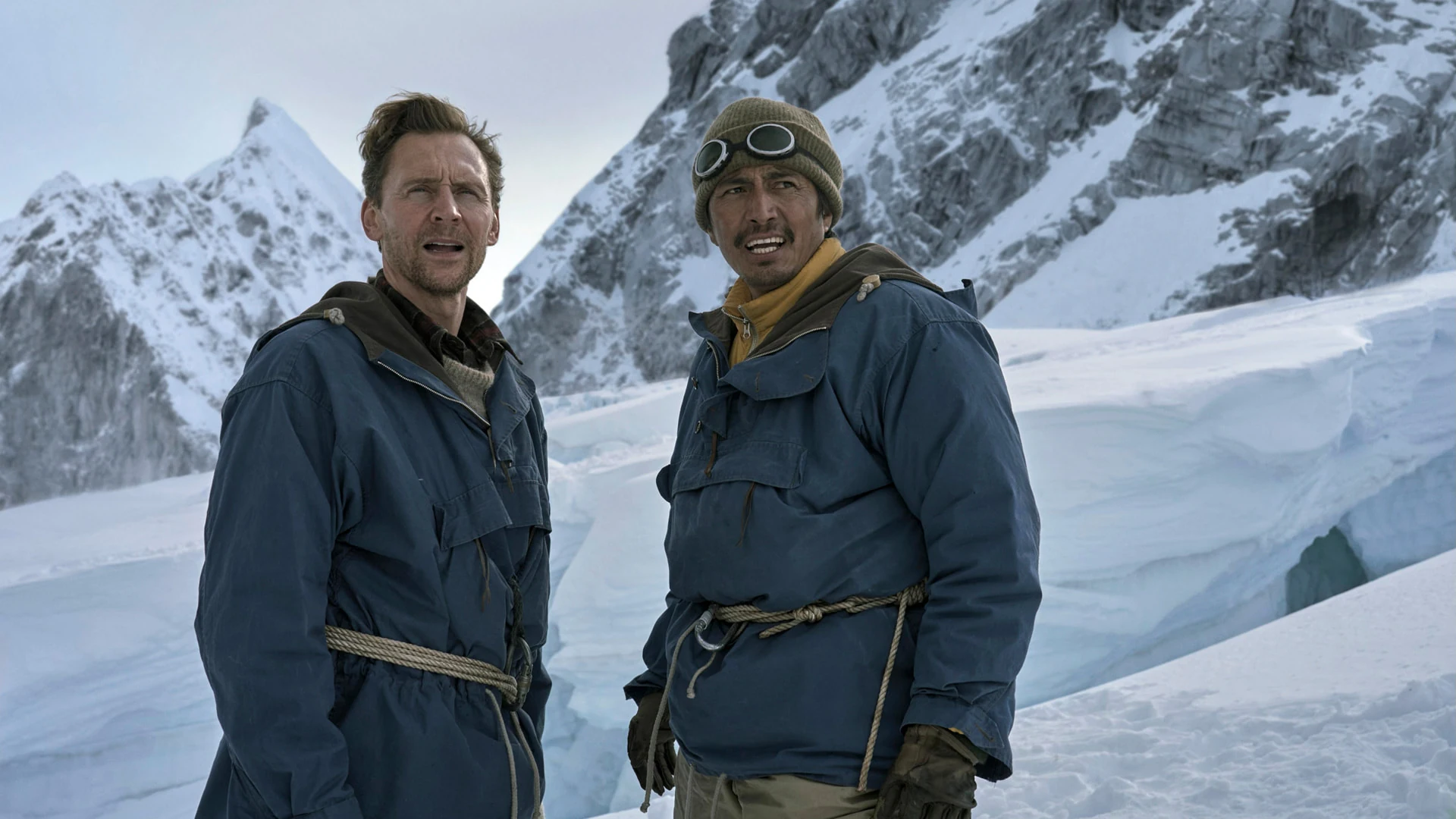
For the sequence in which Edmund Hillary slips into a crevasse and Tenzing arrests his fall, the team chose a real glacial environment. Months of planning were needed because actors and crew had to operate on safety lines in and around the ice. Tom Hiddleston and Genden Phuntsok filmed while anchored to protective systems.
The recreation of the Hillary Step, the steep obstacle near the summit, was filmed on high ridgelines of The Remarkables near Queenstown. The sequence drew on the natural geometry of the landscape and carefully controlled movement across exposed terrain.
Twelve Sherpa climbers with more than 65 Everest summits
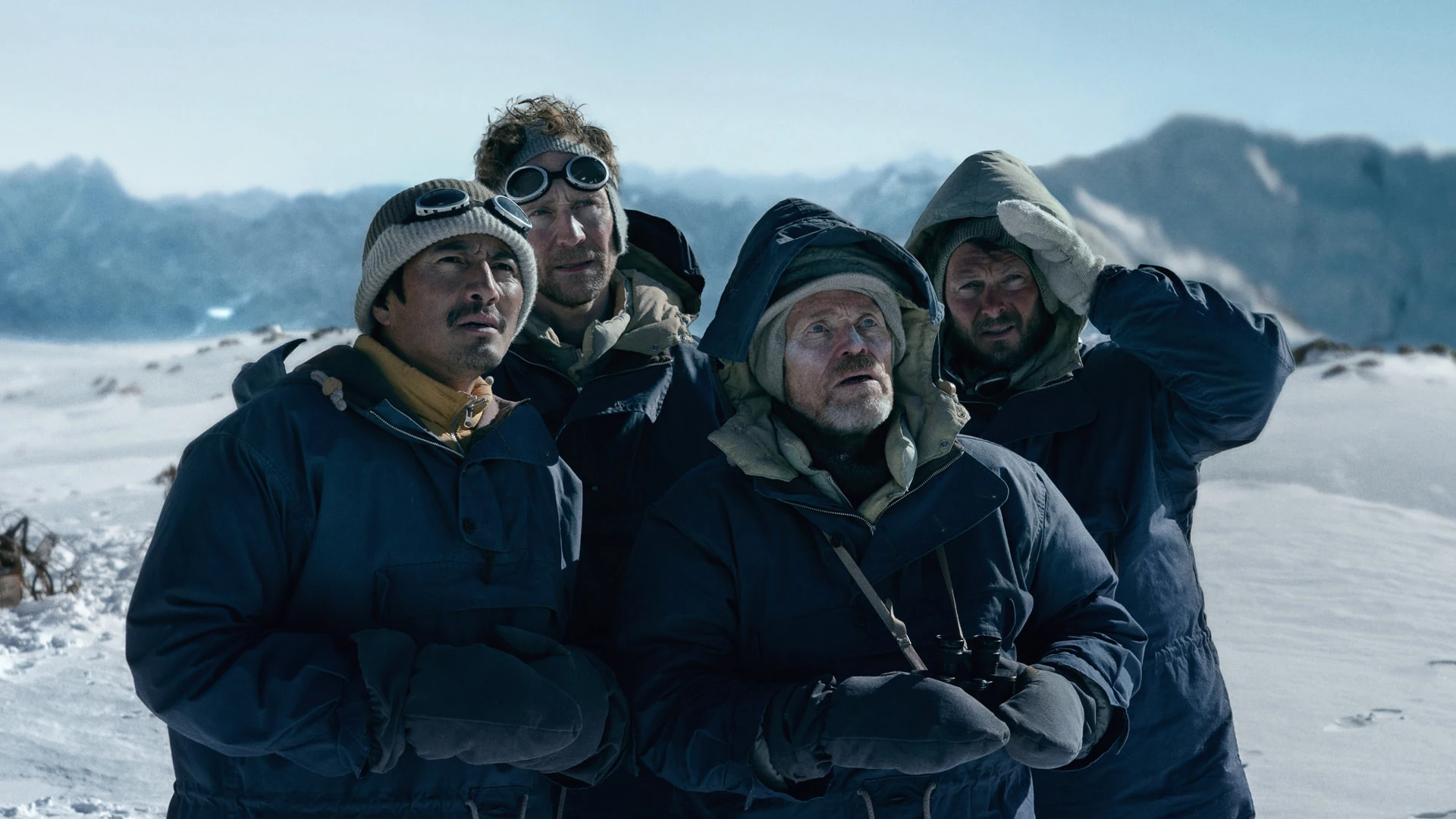
Twelve Sherpa mountaineers took time away from their regular climbing season to work on the film. According to Duscio, they had collectively reached Everest’s summit more than 65 times. Beyond appearing on screen, their experience contributed directly to the safety and authenticity of the climbing sequences.
Their real presence and expertise carry additional weight in a film that aims to tell the story of the 1953 ascent from Tenzing Norgay’s perspective. That historical milestone also sits alongside the enduring questions about earlier Everest expeditions and missing photographic evidence.
A different perspective on a familiar story
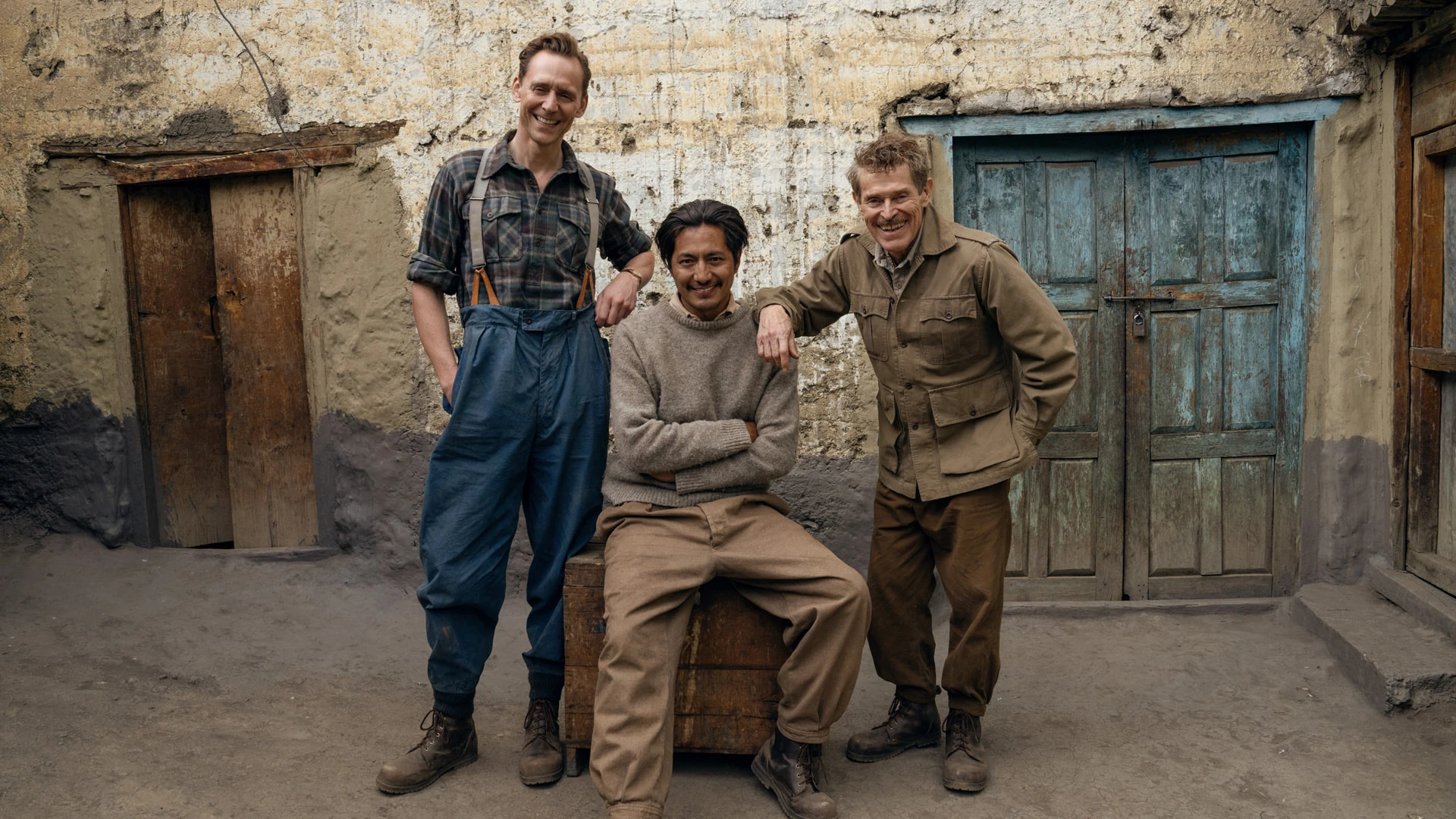
Jennifer Peedom directs the story of Tenzing Norgay, who reached the summit of Everest alongside Edmund Hillary on May 29, 1953. Genden Phuntsok plays Tenzing and Tom Hiddleston portrays Hillary. Willem Dafoe plays expedition leader John Hunt, with Caitríona Balfe and Thinley Lhamo also among the cast.
The film also explores class and colonial tensions within the British expedition, centering the Himalayan climber whose contribution has frequently been overshadowed by that of his Western partner. Luke Davies wrote the screenplay and Stefan Duscio served as cinematographer.
Tenzing opened in select theaters on October 9, 2026 and has been available worldwide on Apple TV since October 16, 2026.
What we think
Choosing real glaciers for difficult sequences brings substantial production costs, but it gives the camera something hard to fabricate: the physical weight of movement on ice, the wind, natural light and terrain that determines how people relate in a frame. Those conditions do not automatically make a film good. They can make its images more convincing when they remain in service of the story.
Just as important is the production’s reliance on Sherpa climbers with firsthand Everest experience. In a story that seeks to give Tenzing the recognition he deserves, treating mountain experts as collaborators rather than anonymous background figures matters well beyond the screen.
For filmmakers, the most useful lesson lies in the combination of location and planning. Months of preparation for a crevasse sequence demonstrate that striking natural footage should not come from reckless exposure to risk, but from coordination and the expertise of those capable of working safely in that environment.