

Summary
- Wildlife Photographer of the Year 2027 opens for entries on 19 October 2026.
- Photographers aged 18–26 can submit up to 25 images free of charge.
- Younger entrants can submit up to 10 images for free, while other adults in Greece pay £35.
- Entries close on 3 December 2026.
Event Details
Have you photographed a wildlife story worth sharing? Wildlife Photographer of the Year 2027 opens on 19 October, and photographers aged 18–26 and children under 18 can enter free of charge.
Organised by London’s Natural History Museum, the competition welcomes professionals and amateurs alike, whether they shoot with a camera or a smartphone. The deadline is Thursday 3 December 2026 at 11:30 GMT (13:30 in Greece).
Who can enter free of charge?
Photographers aged 18–26 on 3 December 2026 can submit up to 25 photographs for free. Entrants aged 17 or younger can submit up to 10 images in the Young competition, also for free. Other adult photographers resident in Greece pay £35 in total for up to 25 photographs, rather than £35 per image.
The museum also waives entry fees for residents of certain eligible countries. Greece is not on that list, so a Greece-based entrant aged 27 or over would normally pay the standard £35 fee.
What photographs are eligible?
The adult competition has 19 categories covering wild animals, plants, fungi, natural habitats and environmental photojournalism. The 25-image limit is shared across categories. Multi-image entries require 6–10 photographs, which count towards the same overall allocation.
Professional gear is not a requirement. Smartphone images and black-and-white photography are both eligible. What matters is an authentic, compelling photographic interpretation of nature.
Entries must have been photographed on or after 1 November 2021. Images of domestic pets, farm animals and cultivated plants or fungi are excluded. AI-generated photographs, AI-generated elements and manipulation that adds or removes objects are not permitted.
Animal welfare is central to the rules. Baiting wildlife, including attracting animals with food or sounds, and any practice that distresses wildlife or damages habitats is not acceptable.
How to prepare your images and application
Initial submissions must be high-quality JPEGs in Adobe RGB (1998), sized to 1,920 pixels along the longest edge. Borders, watermarks and signatures are not allowed. Accurate captions should explain what the picture shows, where and when it was taken and the circumstances behind it. Judging is anonymous, so photographers should not include their names in the image data or captions.
Shortlisted entrants will be asked for the original RAW or other accepted original files for authenticity checks, as well as a high-resolution file suitable for printing. Keep the originals and editing history intact.
Entries are handled through the official competition website. You can save the application and add or remove photographs until the deadline. Uploaded and saved images are treated as submitted, and late entries are not accepted.
From the 2026 winners to the new competition
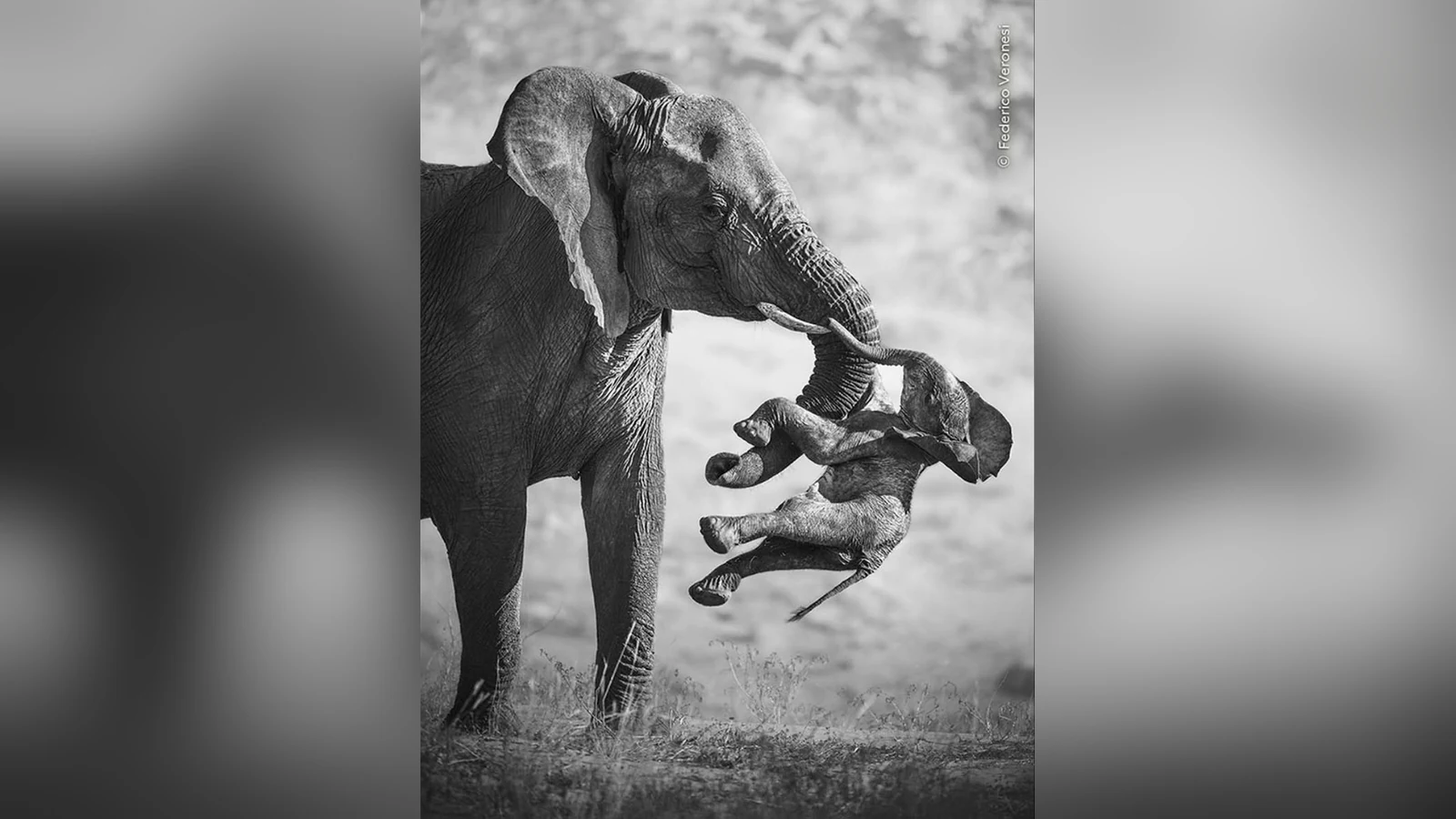
The call comes shortly after the Wildlife Photographer of the Year 2026 winners were announced. Federico Veronesi won the grand title with The Aftermath, while Greek photographer Agorastos Papatsanis won Plants and Fungi with a photograph of fungi near Mount Olympus.
The museum lists 22 January 2027 for first-round results and 12 March 2027 for the final decision. Entries open on 19 October 2026; the main competition page states 10:30 GMT for opening, while the press release gives 11:30 GMT. Entrants should check the portal on that day.
What we think
The free-entry option for photographers aged 18–26 is particularly valuable. A 25-image allowance gives emerging photographers room to demonstrate a range of work, instead of betting everything on one image.
For photographers paying the fee, £35 deserves consideration. International exposure is not guaranteed, and the competition is intense. Careful selection, accurate captions and familiarity with the rules are worth far more than rushing to fill every available slot.
For photographers working in Greece, a strong wildlife picture need not feature a large or exotic animal. The recent win for fungi photographed near Mount Olympus is a reminder that close observation of an accessible local subject can make an impression. Respect for animals and truthful documentation must remain more important than the pursuit of a prize.
Frequently asked questions
Can I enter a photograph shot on my phone?
Yes. Smartphone photographs are eligible provided they meet the authenticity rules, technical submission requirements and all other competition conditions.
Do I pay if I am 26 years old?
No, provided you are aged between 18 and 26 on the closing date, 3 December 2026. The waiver also applies to residents of Greece.
Do I need to submit RAW files initially?
No. Initial submission is by JPEG. Original files are requested later from photographers selected for the final round.