Summary
- Sportivo Ameliano circulated a dress code for photographers and journalists on October 21.
- The rules restricted shorts, low-cut tops, exposed midriffs, and leggings colors.
- Photographer Adriana Caballero raised concerns about how such measures could affect her colleagues.
- The club president rejected the notice, and the team withdrew the restrictions.
A Paraguayan soccer club tried to dictate what photographers and journalists could wear inside its stadium, only to withdraw the restrictions later that same day.
Sportivo Ameliano, a top-flight Paraguayan club, faced criticism on October 21, 2026, after its press department circulated an illustrated dress code for media professionals covering the October 25 home match against Olimpia at the club’s ground in Villeta.
What the dress code prohibited
The notice asked photographers, reporters, and other media personnel to dress “sport elegante,” or smart casual. It provided pictures of acceptable and unacceptable clothing and reminded media workers to carry their accreditation.
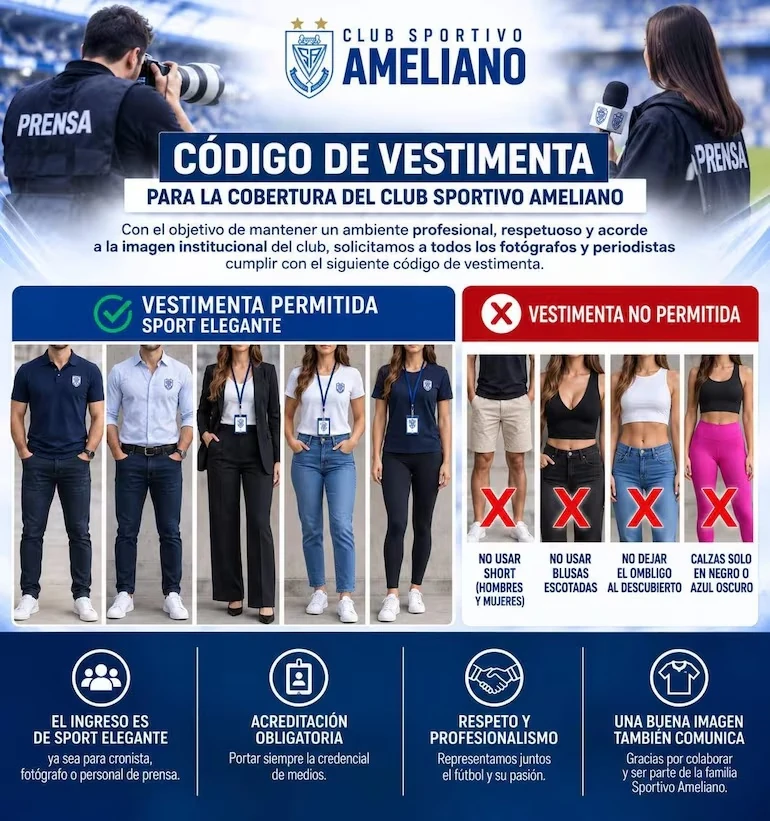
Shorts were prohibited for men and women alike. Women faced additional rules banning low-cut tops and clothing exposing the midriff, while leggings were permitted only in black or dark blue. Those extra provisions focused specifically on how women working at the stadium dressed.
The original justification referred to preserving a professional environment and the image of a family-oriented club, with academy children and their parents attending matches.
Adriana Caballero at the center of the debate
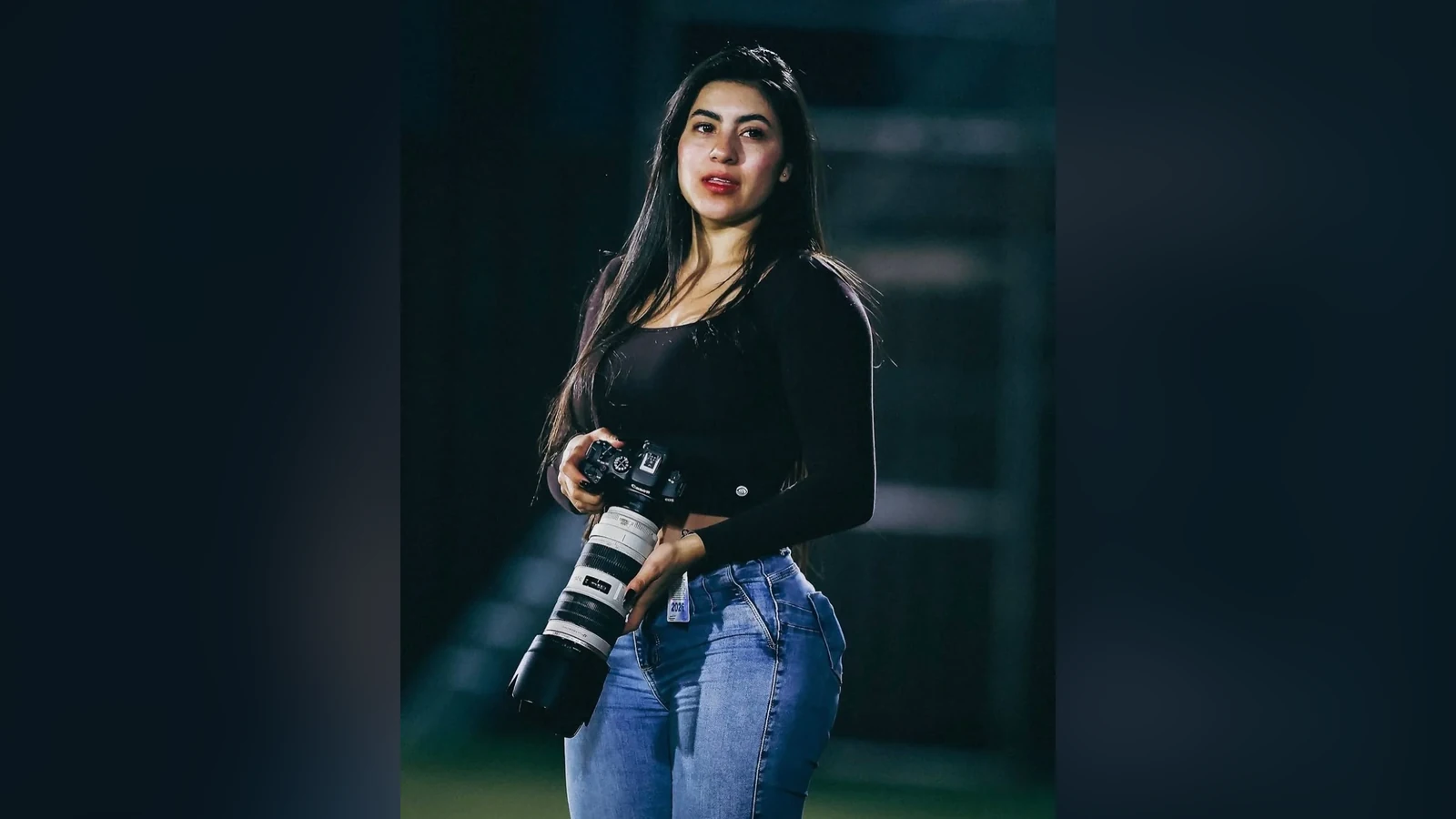
The controversy became linked to sports photographer Adriana Caballero after photos and video of her working in fitted sportswear circulated widely online. Caballero felt the announcement could be related to the attention her appearance had attracted.
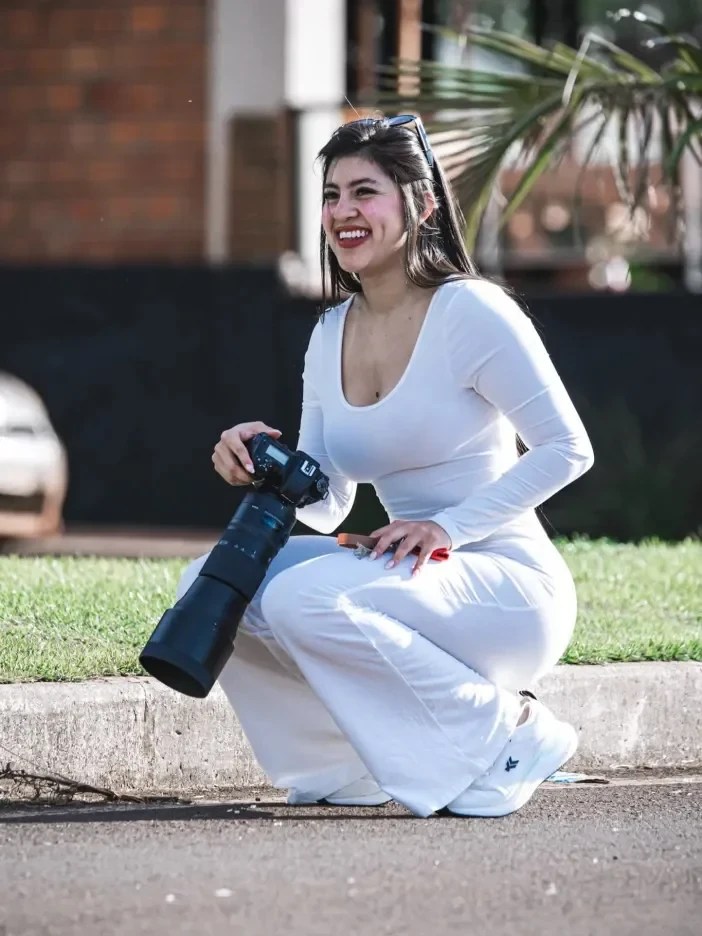
Describing her reaction, Caballero said she chooses clothing based on what feels comfortable while working. She acknowledged that the notice upset her and warned that similar requirements could affect other female colleagues, not just herself.
Sports photographers spend long hours beside the playing field, move around carrying heavy gear, and often work in hot conditions. Safety requirements and accreditation serve an obvious practical purpose; restrictions on the color of leggings are another matter.
Club management rejected the notice and apologized
Sportivo Ameliano president Héctor Melgarejo intervened publicly that same day, calling the rules absurd and saying they had been issued without management approval. He apologized and clarified that media workers could continue attending matches in their usual clothing.
The club then released a clarification stating that the notice did not reflect its position. It said the only requirements for match coverage were valid media accreditation and respectful, courteous behavior. The special dress code was no longer in effect.
Who controls photographers’ access to sporting events is an issue beyond Paraguay. In Greece, an incident at a water polo match in Thessaloniki led an accredited photojournalist to report being removed from the playing area. It was a separate case, but it illustrates how an arbitrary decision can interfere with professional coverage.
What we think
Anyone who has worked on the touchline with a telephoto lens knows that clothing is primarily about practicality. You need to kneel, move quickly, cope with the weather, and avoid anything that gets in the way of a crucial moment. Whether someone’s leggings are black or another color says nothing about the quality of their photographs.
What is especially troubling here is how uneven the restrictions were: a general shorts ban for everyone, followed by a longer list policing women’s bodies and appearance. That shifts attention away from a photographer’s work and toward the way other people look at her.
Withdrawing the rules was the right response. Clubs should start with clear guidelines on accreditation, shooting positions, and safety rather than creating obstacles with irrelevant clothing instructions. Photographers go to the stadium to make pictures, not to pass a fashion inspection.