Summary
- BBC Studios is deliberately retaining less polished underwater shots in Blue Planet III to communicate the authenticity of its filming.
- The production says no generative AI was used in any frame.
- The series was filmed for four years across five oceans.
- Its UK premiere is scheduled for 1 November 2026.
BBC Studios is deliberately keeping some underwater shots in Blue Planet III that earlier productions might have rejected, as generative AI makes even genuine wildlife footage look potentially artificial.
Cloudy water, floating plankton, or even a boat or buoy in the background: details that once might have been considered distractions are now being left visible. The aim is to show more of the real conditions in which the marine footage was captured.
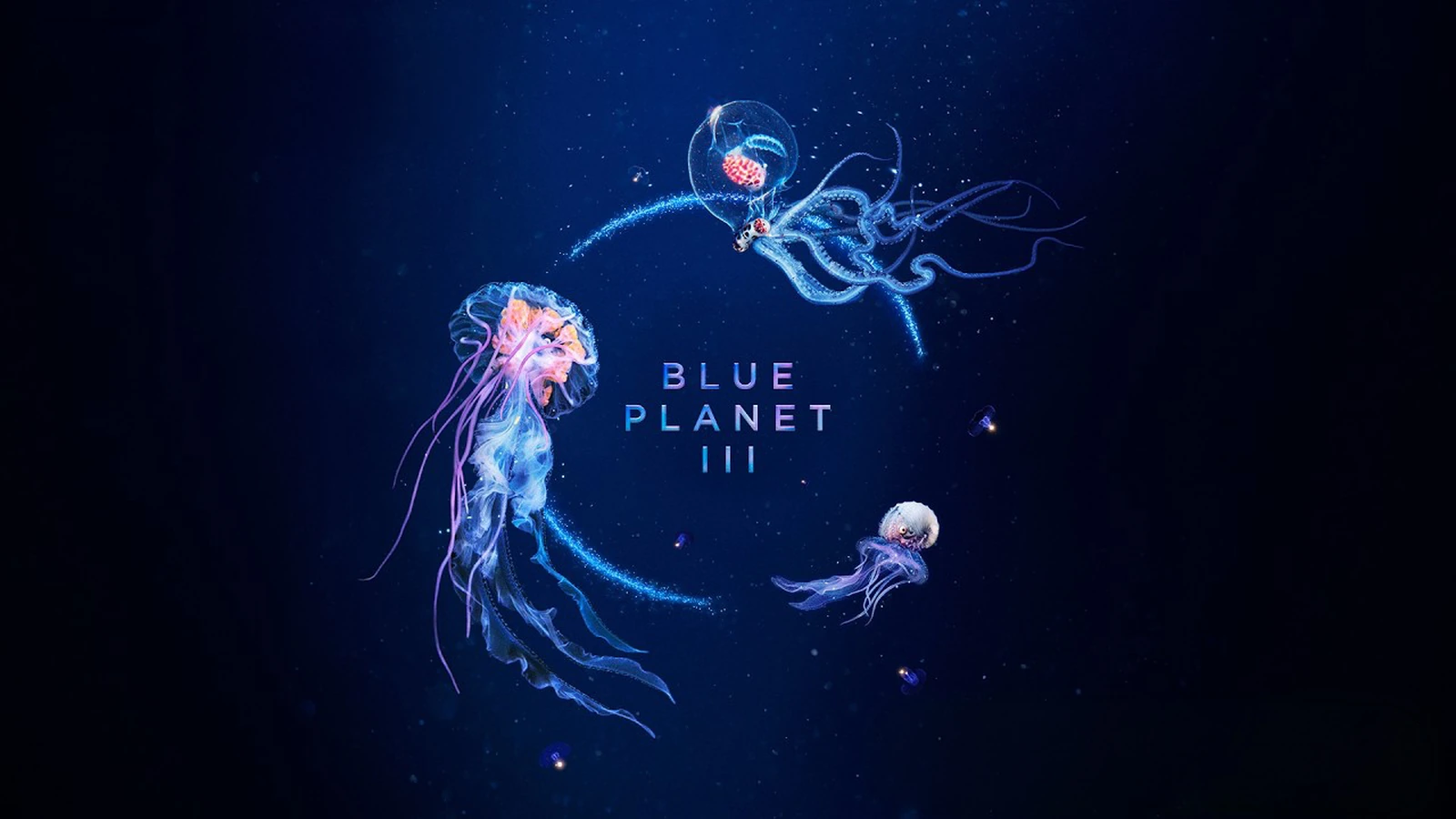
The six-part BBC Studios Natural History Unit series is again narrated by David Attenborough, now 100, and arrives 25 years after the original Blue Planet.
Why BBC is embracing less-than-perfect images
At a press screening, executive producer Elizabeth White explained that earlier productions might have rejected footage with too much plankton or framed out a boat or buoy. For the new series, the team is choosing more organic, less polished views that preserve the visible conditions of the ocean.
This is not a decision to abandon high image quality. It is a response to a question of trust: when exceptionally clean wildlife pictures can be mistaken for AI imagery, how should documentary filmmakers communicate that what viewers are watching was actually filmed?
Jack Bootle, the BBC head of specialist factual commissioning, stated that not a single frame of the series used generative AI. That is the production’s stated position; visual imperfections are not, by themselves, a technical proof of provenance.
Four years of filming and specialised underwater cameras
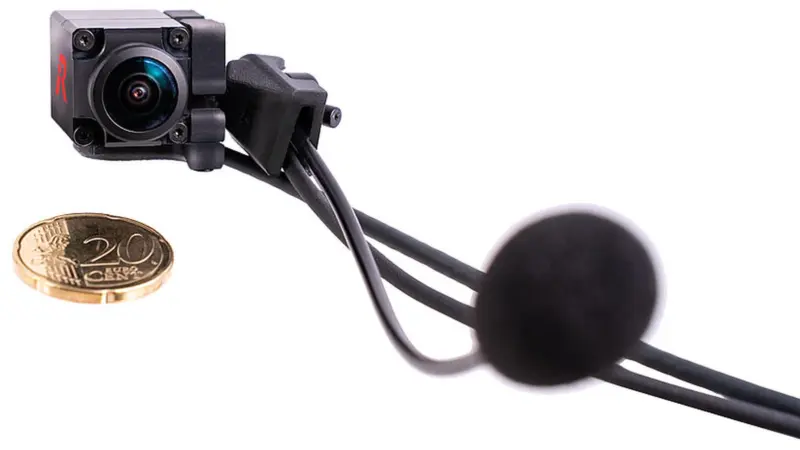
Blue Planet III was filmed over four years across five oceans. The crews used dedicated systems including the remotely operated underwater “stonefish” camera, a mini-dome for imagery near the surface, and deep-sea filming equipment. These tools let filmmakers capture behaviours that would be difficult to observe using conventional crews at close range.
The previewed sequences include dolphins using sea sponges to help trap fish, immense gatherings of crabs and unusual survival strategies beneath the surface. The series also examines the pressure on marine ecosystems from warming waters and pollution.
Such footage involves choices long before the edit: specialised gear, patience and weather or water conditions that no crew can fully control. A related account of wildlife filmmaking through cinematographer Stuart Dunn’s work offers a useful look at how much planning and compromise can sit behind a few seconds on screen.
November 1 UK premiere and a Greek co-production connection
The UK premiere is scheduled for 1 November 2026 on BBC One and BBC iPlayer. US audiences are set to see the series from 23 January 2027 on BBC America and AMC+. Official production credits also list Greece’s Skai as an associated partner, though that does not establish a Greek broadcast date.
The official extended trailer features Into The Deep (Seas Cry), a song by JADE, Hans Zimmer and Bleeding Fingers Music composer Thom Lukas.
What we think
Anyone who has pointed a camera at a wild animal knows why this makes sense. Water is not always crystal clear, the light rarely arrives exactly where you want it, and particles floating in front of the lens do not automatically make a shot a failure. Sometimes they are precisely what makes a scene feel like a real place.
There is something telling about a series celebrated for spectacular images deliberately showing more of the messy conditions of filming. But a murky shot is not automatically genuine, just as a perfectly sharp one is not inherently suspicious: AI can imitate noise and imperfections too. Authenticity ultimately rests on how footage was obtained, documented and presented by the people responsible for it.
If this encourages audiences to value not only the finished image but also the real work and circumstances behind it, that would be a welcome shift for wildlife documentary filmmaking.
Frequently asked questions
Was generative AI used in Blue Planet III?
According to a direct statement from BBC commissioning head Jack Bootle, not a single frame in the series used generative AI.
Do murky shots prove that footage is authentic?
No. Keeping plankton, cloudy water or background objects visible is an editorial way of showing filming conditions, not an independent method of image authentication.
When does Blue Planet III premiere?
The scheduled UK premiere is 1 November 2026, followed by the US launch on 23 January 2027. A Greek premiere date has not been confirmed here.