Summary
- The 14-gram RefCam used in the 2026 World Cup final has been donated to the Deutsches Museum.
- It captured Spain’s winning goal in the 106th minute from the referee’s viewpoint.
- Riedel combines wide-angle capture and stabilization with recording and live-transmission options.
- The camera will join the museum’s photography and film exhibition.
A camera weighing just 14 grams, which captured the winning goal of the 2026 World Cup from the referee’s viewpoint, has joined the Deutsches Museum collection in Munich.
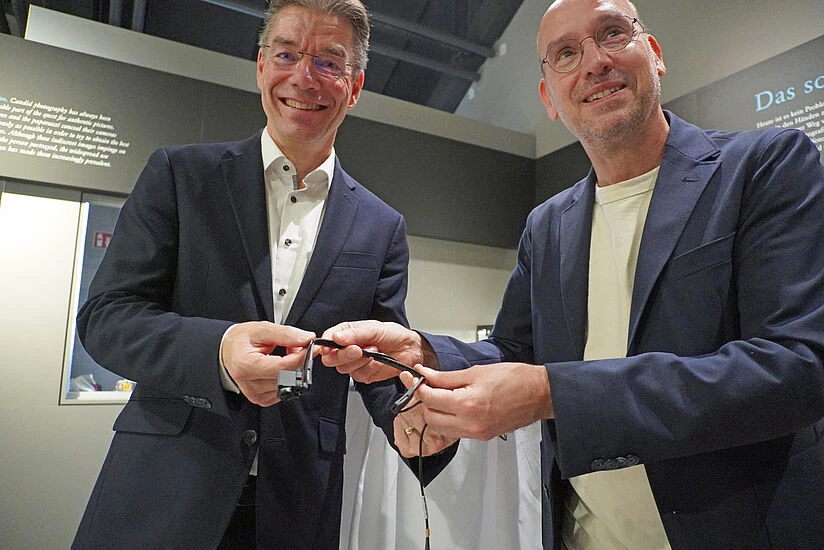
Riedel Communications’ RefCam was mounted on Slovenian referee Slavko Vinčić’s headset during the Spain–Argentina final on July 19, recording the match at eye level. The museum announced that it had received the camera on October 21, 2026.
From the winning goal to a museum display
According to the Deutsches Museum, the camera captured Spain’s decisive goal in the 106th minute from the referee’s perspective. The view places spectators close to the players’ movements and the referee’s reactions, rather than watching the action from the distance of a conventional broadcast camera.
Riedel handed the exact unit to museum Director General Michael Decker. It is destined for the “Foto und Film” exhibition, alongside historical photographic equipment and an ARRI camera. The same area includes an 1839 daguerreotype camera weighing roughly seven kilograms — a striking illustration of how image-making technology has changed. The ARRI connection is particularly notable because Riedel acquired the German company in April 2026.
How a 14-gram camera works in a live broadcast
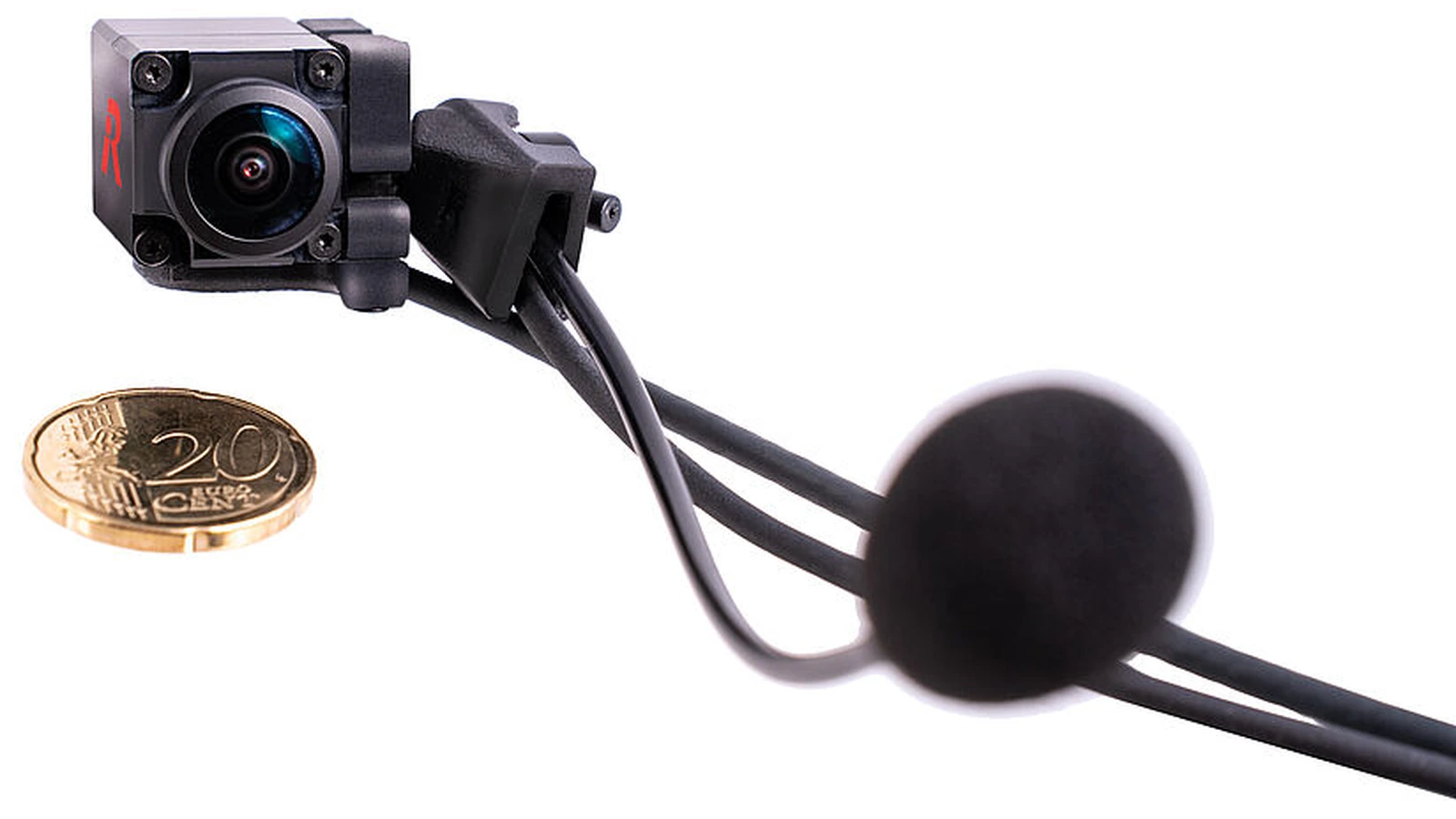
The tiny camera unit attaches to the referee’s headset at eye level, combining a wide-angle lens with electronic image stabilization to reduce shake from running and sudden movements. It produces HD footage, and the system can also carry audio from the field. During the final, the sound even let viewers hear what Vinčić said to Lionel Messi.
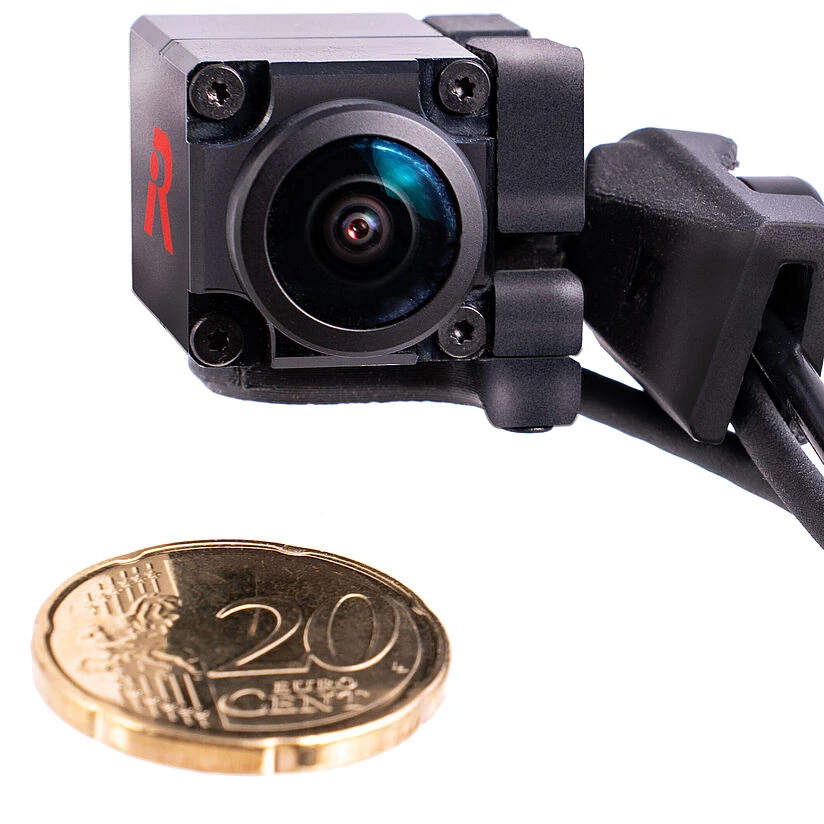
The 14-gram figure describes the head-mounted camera unit, not the entire transmission setup. Riedel offers RefCam Record for local recording and RefCam Live for recording and real-time signal delivery through Easy5G. Live use also requires transmission hardware and suitable wireless coverage.
The referee’s viewpoint complements other broadcast techniques, such as the cable-suspended Spidercam above the pitch. One provides sweeping views of the playing area; the other reveals decisions and interactions at the referee’s eye level.
More information here.
From referee training to television production
Riedel began developing RefCam in 2023 with Bundesliga referees Patrick Kessel and Nicolas Winter. It was first tested in a German third-division match that December and made its Bundesliga debut in February 2024.
The initial aim was to create footage for referee education and analysis. The technology subsequently moved into television broadcasts and other settings, including basketball, handball and even concerts. First-person footage reveals not only the action but also how a referee communicates with players — something conventional wide shots can easily miss.

What we think
Anyone who films live sport knows how difficult it can be to find a genuinely new angle without interfering with the action. What makes RefCam compelling is not just its size: it moves with the person standing at the heart of the match. The result is footage that a fixed camera in the stands simply cannot reproduce.
There is a practical limit, though. A tiny camera body does not eliminate the need for dependable wireless coverage, stabilization and careful shot selection by the broadcast director. A first-person angle works best when it adds information to the coverage, rather than replacing the main camera or trying to make every moment look spectacular.
Seeing RefCam enter a photography and film museum neatly captures that shift: the tools keep getting smaller, yet they can take us closer to moments we previously had no way of witnessing.
Frequently asked questions
Does the entire RefCam system weigh only 14 grams?
No. The 14-gram specification refers to the head-mounted camera. Live broadcasting requires additional equipment and wireless connectivity infrastructure.
Can RefCam record without transmitting live?
Yes. RefCam Record saves footage locally for education and later review. RefCam Live also supports real-time transmission through Easy5G.