

Summary
- BPOTY 12 has introduced ten judges from wildlife photography and conservation.
- Images are judged anonymously through multiple rounds.
- Technical quality and storytelling matter more than the rarity of the bird.
- Entries close on 13 December 2026.
Ten figures from wildlife photography, documentary filmmaking and conservation will judge Bird Photographer of the Year 12, whose winners are due to be announced in September 2027.
The panel brings together experts associated with India, Tanzania, Canada and the UK. For entrants, the mix matters: it spans different approaches to making images and telling stories about birds rather than privileging one visual style.
Meet the ten judges
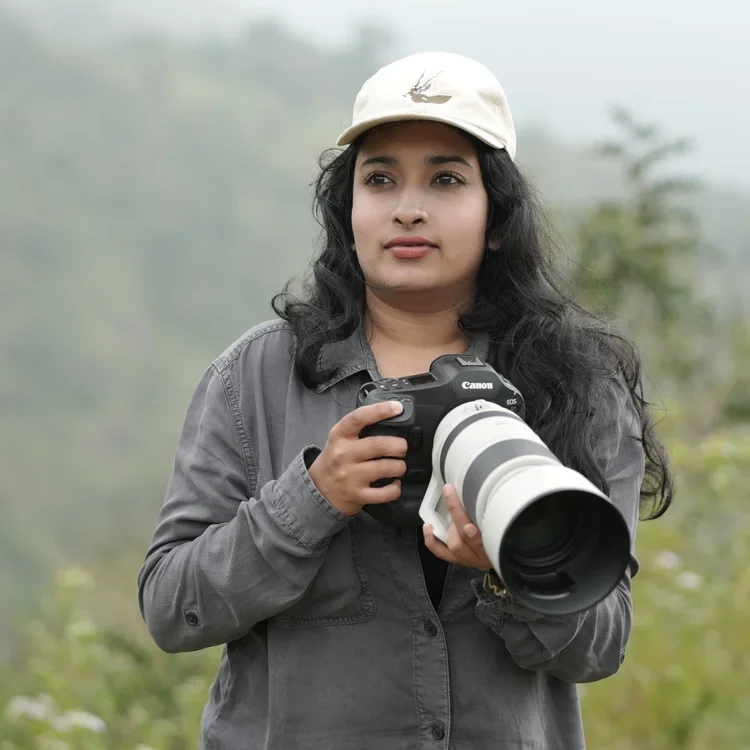
Aishwarya Sridhar. The India-based photographer and documentary filmmaker is a National Geographic Explorer and co-founder of Bambee Studios. Her work ranges from documenting big cats to investigating wildlife markets.
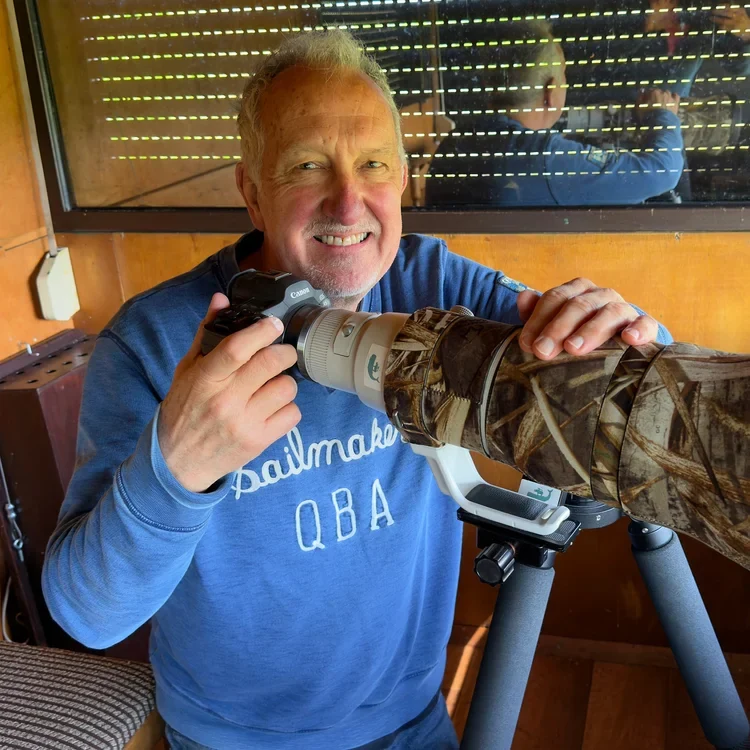
Mark Carwardine. The British zoologist, author and photographer has written more than 50 books and previously spent many years chairing the Wildlife Photographer of the Year judging panel.
Daisy Gilardini. Originally from Switzerland and now based in Canada, she photographs the polar regions, Antarctic wildlife and North American bears, linking visual storytelling with conservation.
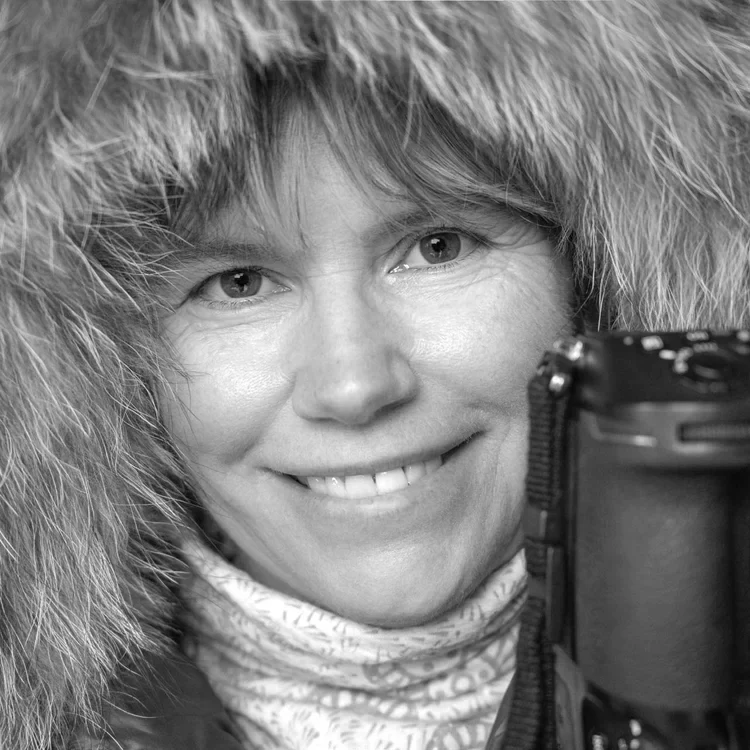
Richard Peters. The British wildlife photographer is known for his dramatic approach to light. A former European Wildlife Photographer of the Year, he also leads photographic safaris.
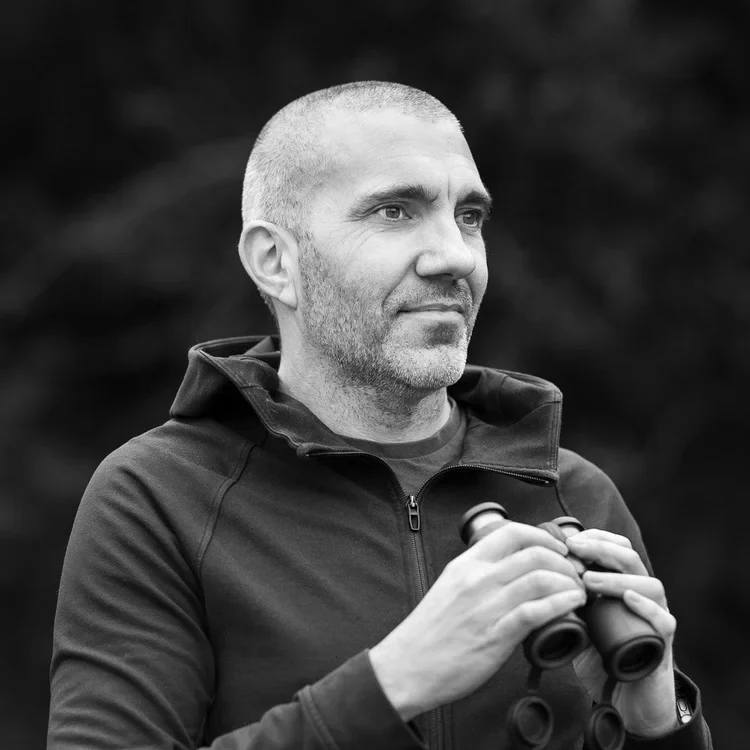
Sue Flood OBE. The Welsh photographer, filmmaker and author has devoted much of her career to the polar regions and their wildlife.
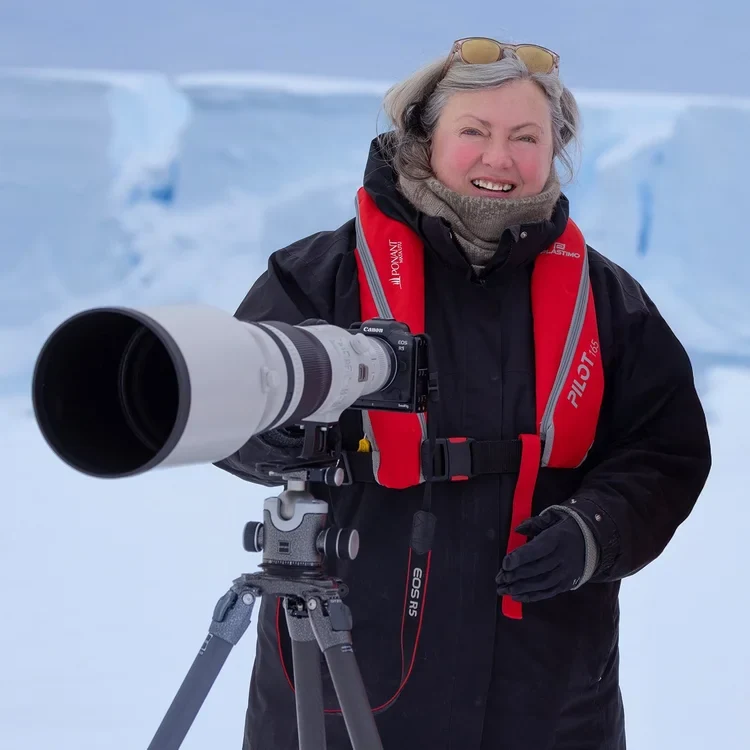
Hans Cosmas Ngoteya. The Tanzanian visual storyteller combines filmmaking, documentaries and conservation work. He is a co-founder of Ngoteya Wild.
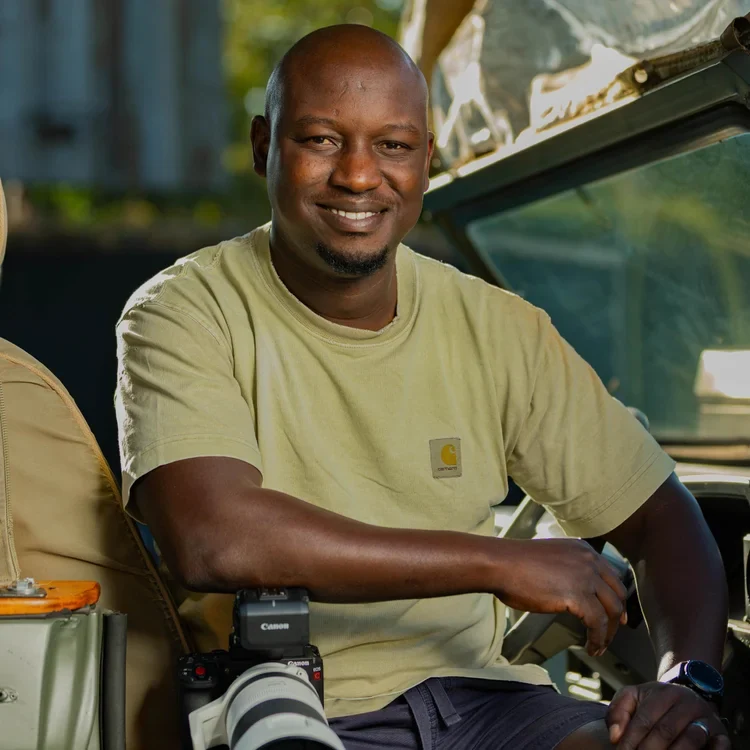
Sudhir Shivaram. The Indian photographer and educator received the Sanctuary Asia Wildlife Photographer of the Year title in 2012 and the National Geographic Yellow Border Award in 2013.
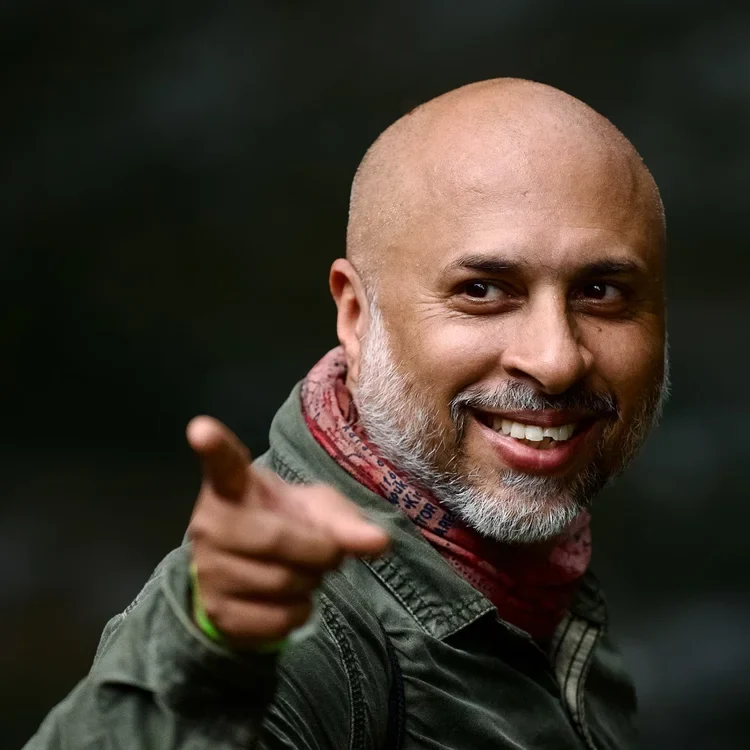
Will Nicholls. The director of Bird POTY is a natural-history cinematographer specialising in work high in the forest canopy. He has also photographed wildlife since 2007.
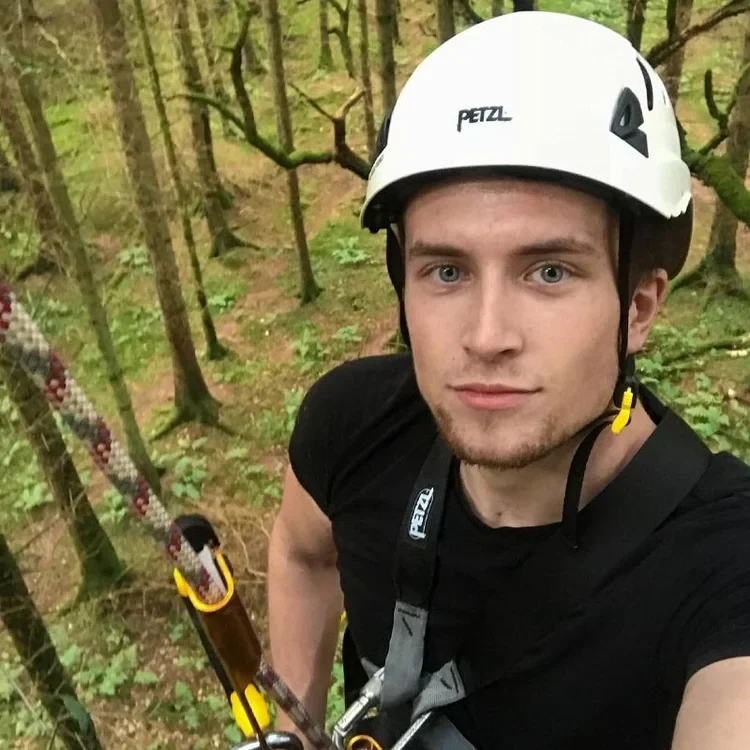
Paul Sterry. A co-founder of the competition and author of wildlife field guides, he remains involved in connecting BPOTY with bird-conservation initiatives.
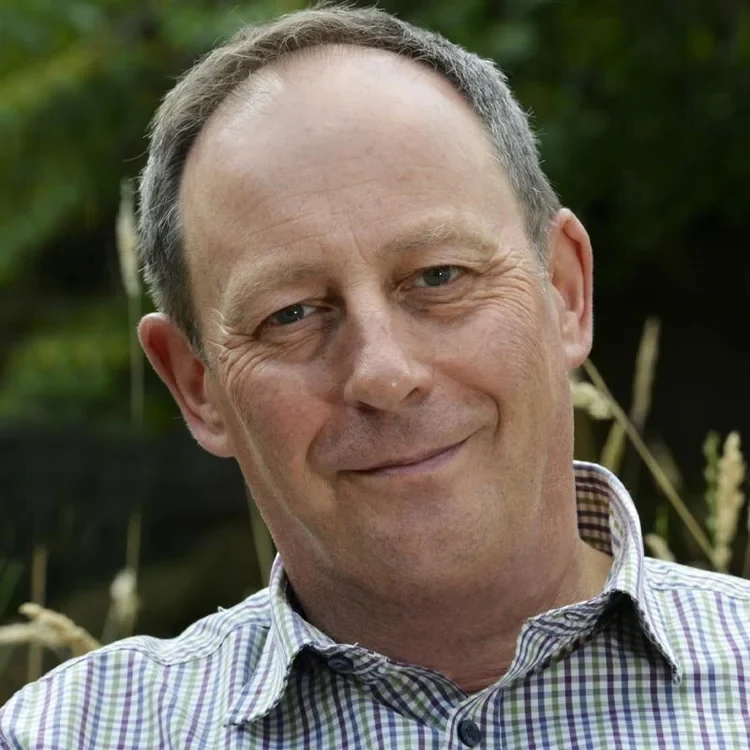
Andrew Cleave MBE. Also a BPOTY co-founder, he is a biology educator, natural-history author and wildlife tour leader. He received an MBE in 1995 for services to environmental education.
How the photographs are judged
BPOTY describes an anonymous, multi-stage process: judges initially see images without photographers’ names. An initial selection leads to the semi-finals and a final ranking. High-resolution files and original RAW files may be requested to help verify authenticity.
Focus, exposure, lighting and technical execution matter, but the panel also looks for distinctive moments, behaviour and storytelling. The organiser stresses that a rare species is not automatically more valuable than a familiar bird photographed exceptionally well. Clear captions help judges understand how an image was made.
In BPOTY 12, open for entries until 13 December 2026, the Video category has been removed. Eight main photography categories remain alongside Portfolio and Conservation awards, plus the separate youth competition.
An image from the 2026 awards
Back to Fishing by Romain Barats, showing seabirds diving into deep blue water, won Bronze in Birds in the Environment in 2026. It illustrates how movement and composition can carry the story of a wildlife image.
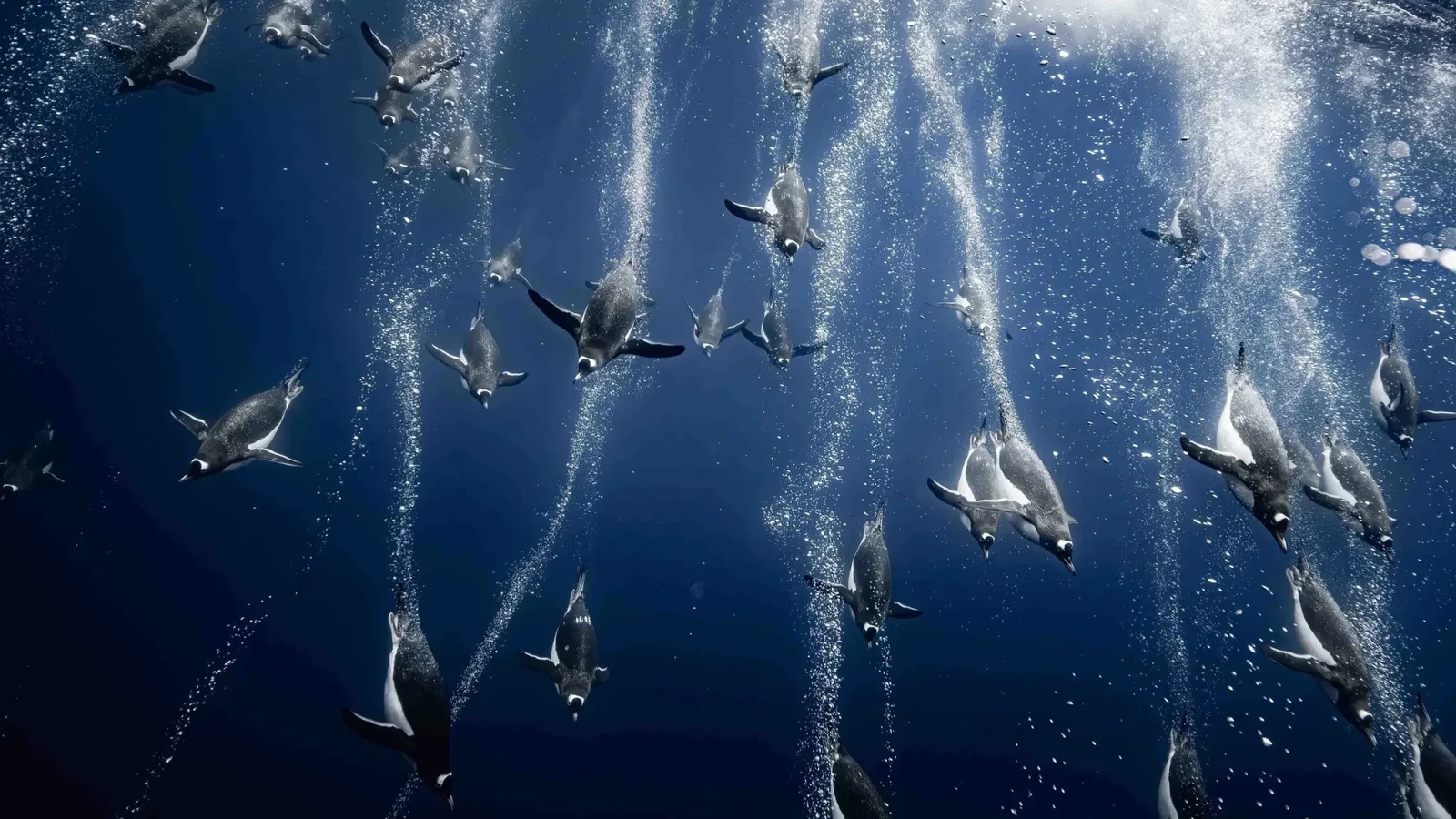
At the 2026 awards, Henley Spiers took the overall title with “Sunball Rocket”. The next judging cycle will show how ten different photographic and filmmaking perspectives converge on the final selection.
What we think
It is encouraging to see judges whose work extends beyond striking wildlife stills into documentaries, conservation communication and education. That breadth can create room for images with meaningful stories, rather than rewarding technical spectacle alone.
For anyone considering entering, the strongest safeguards are procedural: anonymous judging, checks against original files and clearly stated ethical rules. They cannot remove the subjectivity of photographic taste, but they can reduce obvious sources of unfair advantage.
Equally important is the message that an exotic or exceptionally rare species is not a prerequisite for recognition. Behaviour, habitat, framing and a personal approach can turn an everyday local scene into a memorable photograph. That matters to photographers who cannot fund expensive international expeditions.
Frequently asked questions
When is the BPOTY 12 entry deadline?
Entries close on 13 December 2026 at 23:59 GMT.
Do judges know who took each photograph?
No. According to the organiser, judging is anonymous and original files can be requested for verification.
Can a common bird species win?
Yes. Species rarity is not a judging criterion; the quality and storytelling of the photograph are what matter.