

Summary
- Midjourney is facing lawsuits from Disney, Universal, and Warner Bros.
- The company wants the studios to disclose how they use generative AI tools.
- Midjourney argues that this information could support its fair use defense.
- The studios claim the company is trying to distract from the copyright allegations.
- The case could influence the future of copyright and AI-generated imagery.
Midjourney is trying to force major Hollywood studios to reveal how they use artificial intelligence tools in their productions.
The company, which is facing lawsuits from Disney, Universal, and Warner Bros. over alleged copyright infringement, is asking a federal judge to overturn an earlier decision that limited access to information about consumer-facing AI tools only.
The case matters because it could expose how the film industry uses generative artificial intelligence, at the same time that it is accusing companies such as Midjourney of training and producing images based on protected material.
The dispute with the major studios
Midjourney has been targeted by Disney, Universal, and Warner Bros., which accuse the company of operating a tool capable of creating images that resemble well-known characters and worlds from films and television series.
According to the studios, the company uses protected content without permission, allowing the creation of derivative works based on famous intellectual properties.
Midjourney, for its part, does not appear to deny that its system has been trained on copyrighted material. Instead, it argues that training artificial intelligence models on such material falls under fair use.
Midjourney’s counterattack
The new element in the case is that Midjourney wants to know exactly how the plaintiffs themselves use generative artificial intelligence internally.
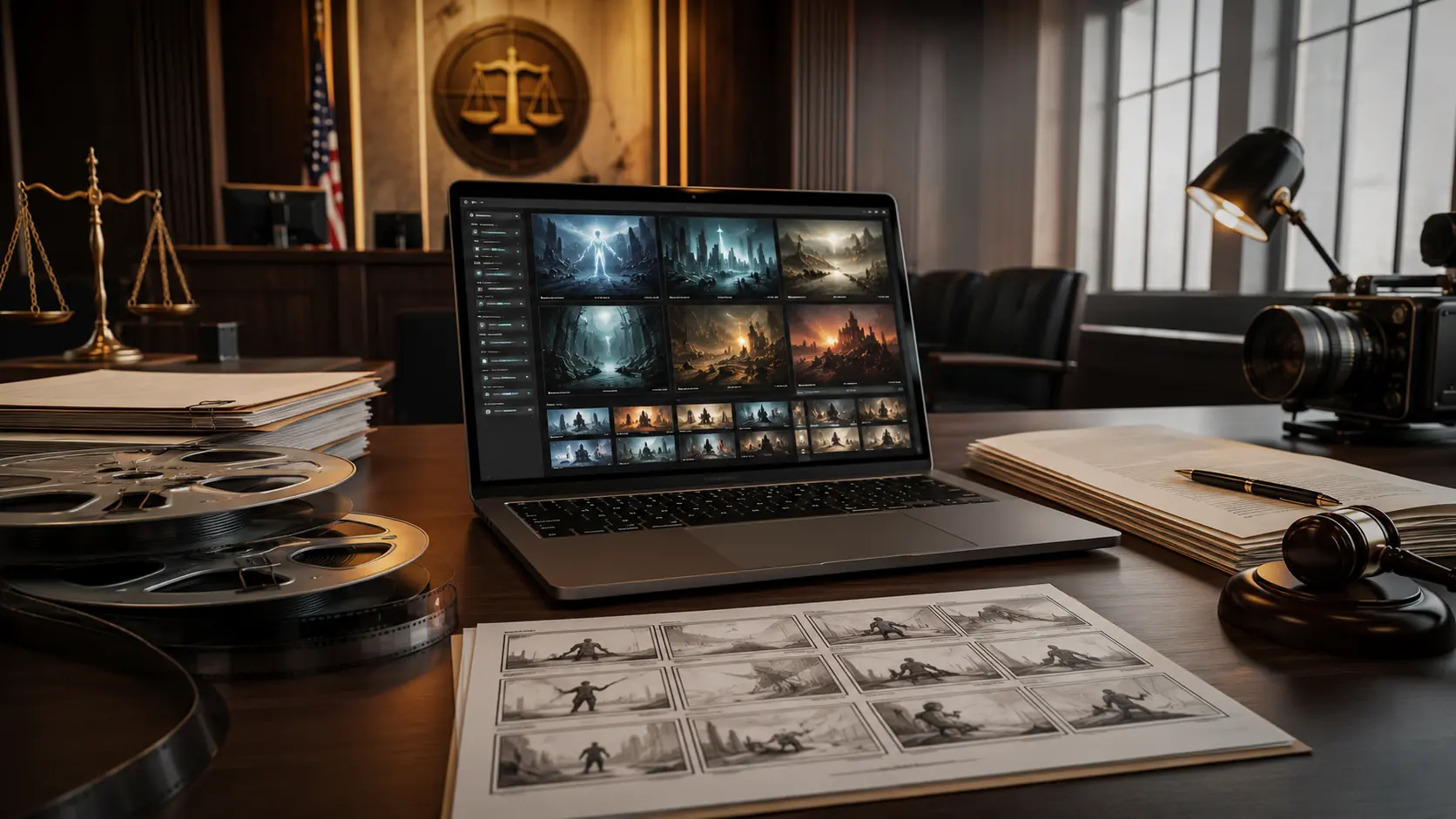
The company argues that the studios may be using similar tools for stages such as ideation, storyboarding, or other production processes. With this argument, it is trying to show that the use of unlicensed material for training or creative development may be a widespread practice in the industry.
Midjourney believes that the previous court decision allows the studios to provide only the documents they consider useful for their own claims, while excluding material that could support Midjourney’s defense.
The hypocrisy argument
Midjourney’s main line of defense is that the studios may be publicly condemning practices that, according to the company, they are also applying behind closed doors.
The company’s attorney argues that if the plaintiffs are doing the same thing they seek to punish, then the relevant evidence is crucial to Midjourney’s defenses. The company links the issue both to fair use and to the argument that the plaintiffs cannot seek protection while following similar practices.
On the other hand, the studios are said to argue that Midjourney is trying to distract from the case. Their position is that the key issue remains stopping the copying, distribution, and creation of works that include protected characters without permission.
Why the case matters to photographers and creators
Although the case mainly involves film studios and an AI image generation company, its outcome could affect the wider field of visual creation.
The question of training models on protected material remains one of the most critical issues for photographers, illustrators, filmmakers, and visual content creators. The outcome of such cases could determine how datasets, licenses, derivative works, and claimed market harm are handled in the future.
At the same time, the possible disclosure of internal AI use by major studios could show how deeply the technology has already been integrated into creative workflows, even by companies that publicly appear highly cautious about it.
What we think
The case shows that the debate around artificial intelligence and copyright is no longer theoretical. The image industry needs clear rules, transparency, and fair treatment for creators, but also honesty from all major players using AI in their productions.
Frequently Asked Questions
What is Midjourney asking the court for?
It is asking for major studios to be required to disclose more information about their internal use of generative artificial intelligence in their productions.
Which studios are involved in the case?
The case involves Disney, Universal, and Warner Bros., which have taken legal action against Midjourney.
Why is Midjourney being accused?
It is accused of operating a tool that can create images featuring recognizable characters and elements from protected films and television series.
What is Midjourney’s main argument?
The company argues that training AI on copyrighted material can qualify as fair use and that the studios themselves may be using similar tools.
Why does the case matter to image creators?
Because it could affect how copyright, AI model training, and the use of protected visual material are treated in the future.