

Summary
- Apple has filed a lawsuit against OpenAI, io Products, and two former employees
- The company alleges that confidential engineering files and manufacturing specifications were transferred
- The claims also involve prototypes, CAD files, and proprietary supplier information
- OpenAI denies having any interest in other companies’ trade secrets
- Apple is seeking damages and measures preventing further use of the disputed information
Apple claims that OpenAI and two of its former employees used confidential information to accelerate the development of new artificial intelligence devices.
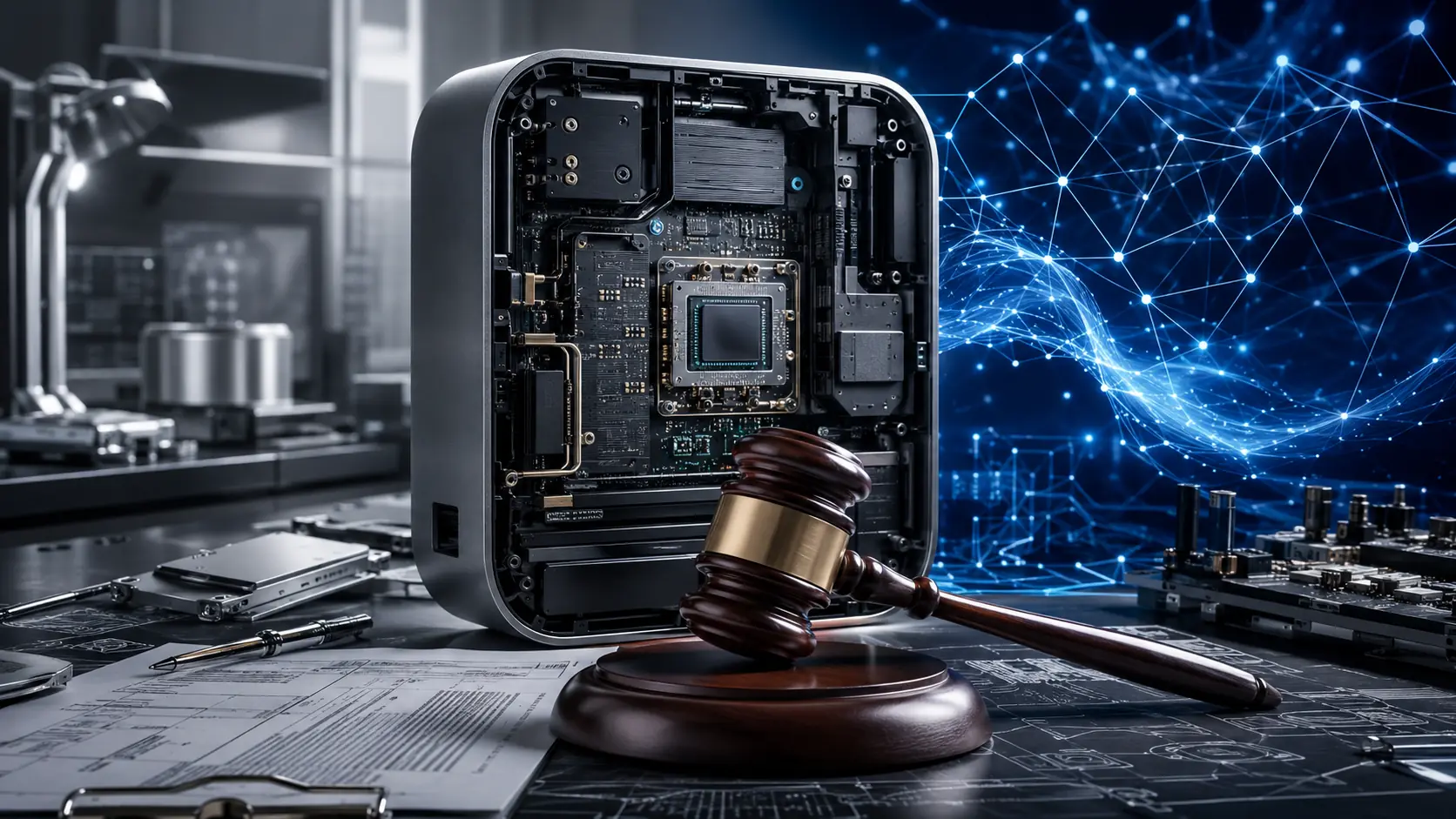
The lawsuit was filed in the U.S. District Court for the Northern District of California and names OpenAI, io Products, former Apple executive Tang Tan, and former engineer Chang Liu as defendants. Apple alleges that they obtained confidential documents relating to unreleased products, engineering processes, manufacturing techniques, and proprietary hardware expertise.
The case is particularly significant because OpenAI is seeking to expand beyond software and enter the consumer device market. If proven, the alleged use of Apple’s technical knowledge could affect both the development of new AI products and competition in an emerging market.
Apple’s Allegations
Apple claims that former employees downloaded confidential engineering files, manufacturing specifications, and internal project data before or shortly after leaving the company.
The lawsuit describes what Apple considers a coordinated pattern of activity rather than isolated incidents. It also alleges that some employees attempted to bypass security procedures designed to protect sensitive information.
Apple says it contacted OpenAI in February and requested an investigation into the matter but received no response.
The Two Former Employees at the Center of the Case
Tang Tan previously served as Apple’s Vice President of Product Design and was involved in overseeing hardware for the iPhone and Apple Watch. He left the company in 2024 to join io Products, the artificial intelligence hardware company associated with former Apple design chief Jony Ive.
OpenAI later acquired io Products, bringing more than 50 engineers into its organization. According to the lawsuit, Tan allegedly approached job candidates using internal Apple project codenames and requested physical components or other proprietary material during interviews.
Chang Liu worked at Apple for eight years as a senior systems electrical engineer. Apple alleges that he continued to access internal systems after leaving by exploiting a security vulnerability and downloaded presentations, technical specifications, and manufacturing documents.
Allegations Involving Prototypes and Suppliers
Apple’s claims are not limited to the transfer of digital files. The company alleges that job candidates were encouraged to present components, prototypes, CAD files, and other confidential material during interviews.
Apple also accuses OpenAI of using confidential supplier information to approach its manufacturing partners and request services involving proprietary production techniques.
The lawsuit states that more than 400 former Apple employees now work at OpenAI, although only Tan and Liu are individually named as defendants.
OpenAI’s Response
OpenAI denies the allegations, stating that it has no interest in other companies’ trade secrets and remains focused on developing technology for users around the world.
Apple, for its part, says that protecting its intellectual property and the work of its teams remains a major priority.
The allegations have not been proven and will be examined through the legal process.
OpenAI’s Expansion Into Hardware
The legal dispute comes as OpenAI develops its first generation of consumer devices following its acquisition of io Products.
The company’s collaboration with Jony Ive has created considerable expectations for a new category of products that could bring artificial intelligence into physical devices. However, the final products and their complete capabilities have not yet been officially presented.
Apple is seeking damages and injunctive relief to prevent any continued use of the information it considers to be its trade secrets. It also argues that the disputed expertise forms part of the foundation of OpenAI’s emerging hardware business.
What We Think
The case demonstrates the growing value of technical expertise surrounding artificial intelligence devices. Its outcome will depend on the evidence presented, but the lawsuit could affect OpenAI’s hardware plans and recruitment practices across the technology industry.
Frequently Asked Questions
Why did Apple sue OpenAI?
Apple claims that two former employees transferred confidential files, technical specifications, and other proprietary information that could be used in the development of OpenAI hardware.
Who is named in the lawsuit?
The lawsuit names OpenAI, io Products, former Apple design executive Tang Tan, and former engineer Chang Liu.
What kind of information was allegedly taken?
The allegations involve engineering documents, manufacturing specifications, technical data, CAD files, supplier information, and details about unreleased products.
How has OpenAI responded?
OpenAI denies having any interest in other companies’ trade secrets and says it remains focused on developing its own technology.
Have the allegations been proven?
No. They remain claims made by Apple and will need to be examined and proven in court.