

Summary
- Meta removed a new Meta AI image-generation feature
- The tool used public Instagram posts as visual references
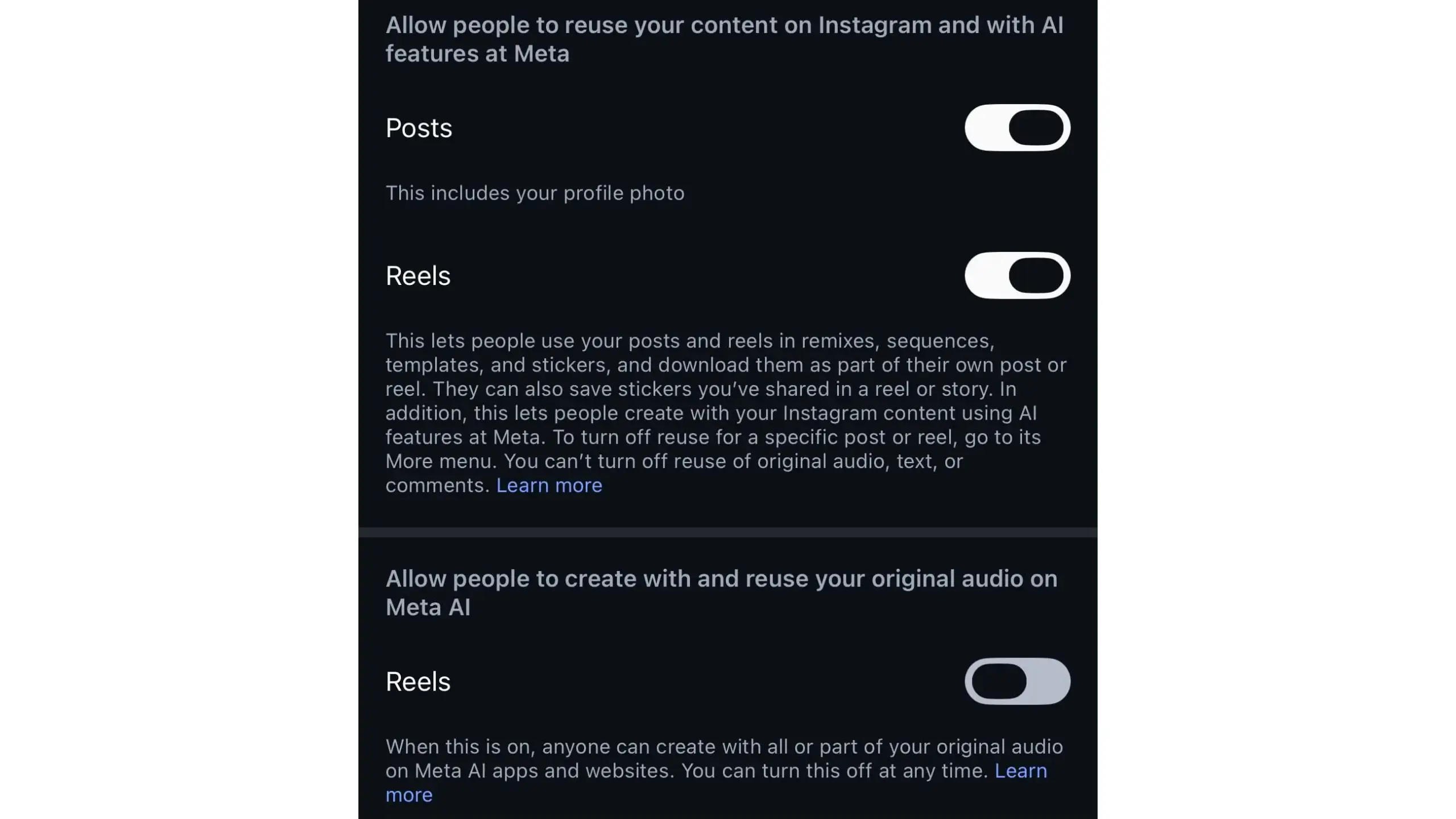
- Public accounts were included by default and had to opt out manually
- Creators and organizations called for a consent-first approach
- Meta said it would review the feedback and reassess the feature
Meta has removed a controversial artificial intelligence image-generation feature that could use public Instagram posts as visual references.
The new capability allowed Meta AI users to mention a public Instagram account and generate images based on content published by that account. The feature was initially enabled by default for public profiles, requiring creators to disable it manually.
The approach prompted strong criticism, as photographers, artists, and other creators argued that publicly available content should not be used by AI tools without clear prior consent.
How the New Tool Worked
The feature had been added to Meta AI’s image-generation capabilities and allowed public Instagram accounts to be used as sources of visual inspiration.
A user could mention the name of a public account while generating an image. The system would then use publicly shared photographs from that profile as references when producing new visual content.
Meta presented the feature as a creative tool and said account owners could prevent their content from being used through their settings.
Why It Sparked Backlash
The main criticism was that the feature had been activated without requiring creators to provide prior consent. Users who did not want their photographs to be referenced had to find the relevant setting and opt out themselves.
Many users pointed out that they might not even have known the feature existed. Creators also expressed concern that the tool could make it easier for others to imitate the visual identity or recognizable style of their work.
SAG-AFTRA also joined the criticism, urging its members to disable the relevant setting. The union argued that platforms should obtain explicit consent before using images or the digital likeness of individuals in artificial intelligence applications.
Meta’s Response
Following the backlash, Meta confirmed that it had removed the feature. The company said its intention had been to provide a useful creative tool while also giving people control over whether their public content could be used.
However, Meta acknowledged that the way the feature worked and the available controls caused confusion. It therefore decided to remove the capability while reviewing user feedback and reassessing its approach.
The company has not clarified whether the tool will return with a different consent system or additional privacy controls.
The Broader Debate Over AI and Copyright
The case is another example of the growing debate surrounding the use of creative work by generative artificial intelligence systems.
The fact that a photograph is publicly accessible does not necessarily mean its creator accepts every possible use of it. Generating new images by referencing existing content raises questions about consent, attribution, the protection of a creator’s distinctive style, and copyright.
Meta’s rapid reversal shows that users and professional organizations are placing greater pressure on technology companies, particularly when new AI tools are enabled automatically.
What We Think
Meta’s decision to remove the feature was expected, as enrolling public accounts by default unfairly shifted the responsibility for protection onto creators themselves. When tools use photographs, artwork, or the likeness of real people, clear consent should come before activation rather than being replaced by a difficult-to-find opt-out setting.
Frequently Asked Questions
What did Meta’s feature allow users to do?
It allowed Meta AI users to generate images using public Instagram posts from a mentioned account as visual references.
Did the creator’s permission have to be obtained?
The feature was enabled by default for public accounts. Users who did not want their content to be used had to disable the relevant option.
Why did photographers and artists object?
They believed their images and creative styles could be used without clear and prior consent.
Has the feature been permanently discontinued?
Meta confirmed its removal but has not clarified whether it may return with different terms or additional controls.
Did the feature also affect private accounts?
The capability applied to content posted by public Instagram accounts.