Summary
- David Martin lost his equipment in an Oakland car break-in.
- The stolen cards and drive held a couple’s wedding photographs.
- His family is appealing for help recovering the files.
- The incident highlights the need to supervise equipment and store backups separately.
Photographer David Martin lost $35,000 in equipment in an Oakland car break-in, but the return he is pleading for is that of irreplaceable wedding photographs.
The stolen memory cards and drive held the photographs of Jenna and Nick Banks, who married on October 4. Three days later, on October 7, the files disappeared along with the equipment.
A brief stop for food
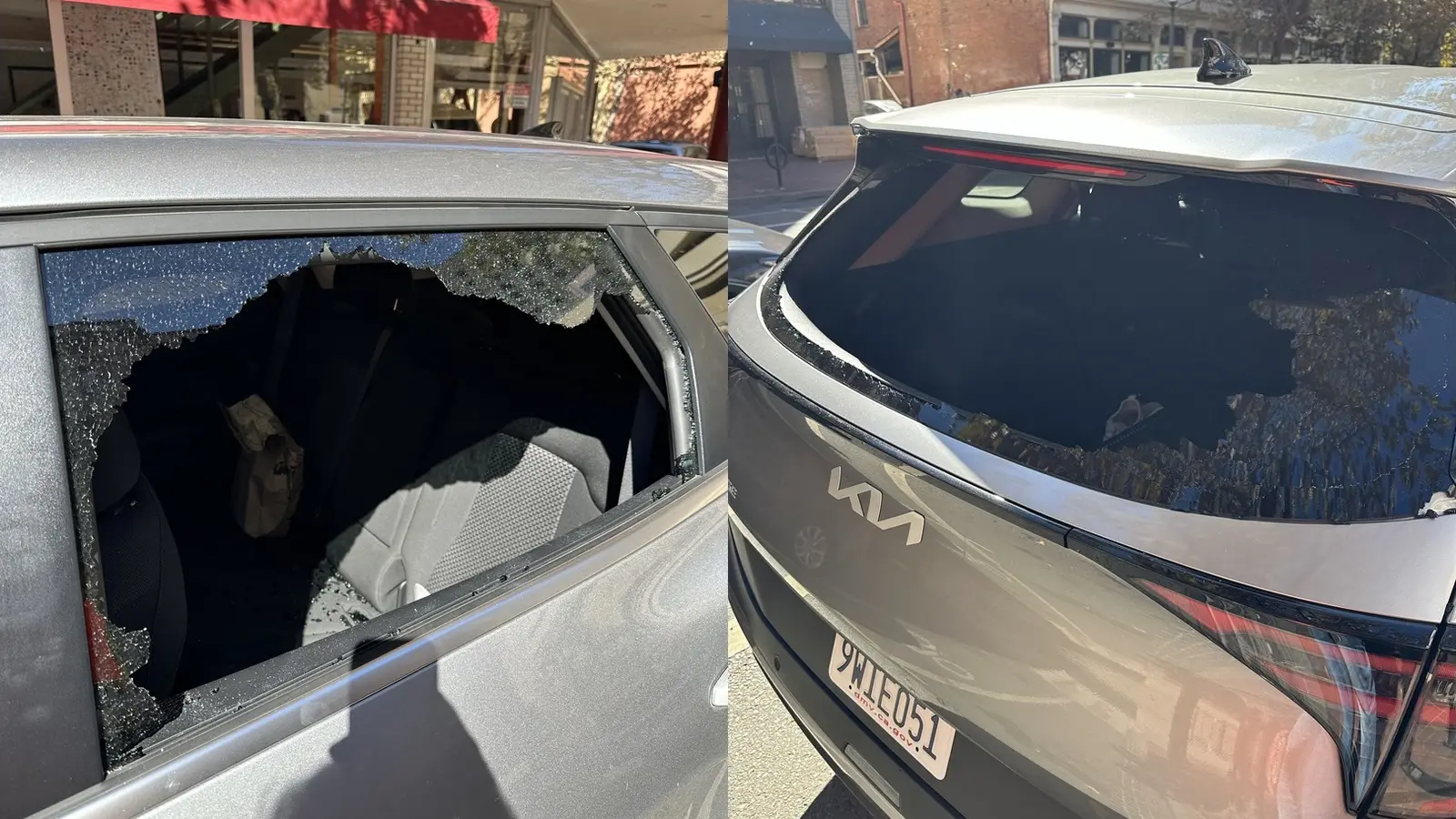
Martin had parked his rented Kia Sportage near Swan’s Market to get food. He returned to smashed windows. Two cameras, lenses, a drone, a laptop, a drive and memory cards were gone. He had photographed another assignment downtown beforehand; his suspicion that he might have been followed has not been confirmed.
He searched pawn shops without success. The October 9 report said no arrests had been made. The couple gathered photographs and videos from friends but were still hoping to recover the professional images.
More than one assignment lost
The appeal organised by Lina Martin says footage from a video project was also stolen, requiring a reshoot. If the wedding files cannot be recovered, the photographer promises a full refund and a free new shoot with the couple in their wedding clothes.
Lina Martin is also organising a fundraiser to replace the equipment, cover the video reshoot expenses and fund the wedding refund if needed. The family is looking for the stolen storage media through local used-equipment listings as well.
Protecting equipment away from the office
The basic rule when travelling with equipment is simple: never leave it in the car unattended. That includes a quick coffee or food stop. Take the bag with you and plan stops accordingly. A locked boot hides the contents; it does not make the car a secure storage space.
Keep equipment supervised while loading and unloading. Do not leave the car open while making repeated trips with cases, or spread cameras and lenses out on the pavement. When working with someone else, agree who watches what stays behind. In a café, restaurant or event venue, keep the bag beside you where you can monitor it, rather than hanging it behind your chair or leaving it near an exit.
A discreet bag makes the contents less obvious, without guaranteeing protection. Keep serial numbers, equipment photographs and receipts in a record that is not stored solely on the laptop in that same bag. If a theft occurs, you will have specific details to help identify and search for the equipment.
A backup needs a separate location
This is the crucial professional lesson: cards and a drive inside the same car can disappear in the same incident. Martin himself acknowledged the need to keep backups in separate places. Having more storage devices is not enough when they share the same exposure to theft.
In practice, make a second copy as soon as possible, check that the files have transferred and keep one storage device separate from the camera bag. Do not erase the original cards before confirming the copies. Recording to two cards simultaneously helps protect against a single card failure, but it does not solve the theft problem when both cards remain inside the same camera.
For incidents in Greece, the lost and stolen equipment registry accepts listings with identifying details and serial numbers. A listing can support the search; it does not replace a police report.
What we think
Offering another shoot is a meaningful attempt to put things right, but it cannot recreate the moments of the ceremony. For wedding photographers, protecting the files is as much a part of the assignment as taking the pictures: the cost of losing them extends beyond the equipment’s value.