Summary
- Graciela Iturbide has received the Leica Hall of Fame Award 2026.
- She began by studying cinema before developing long-term photographic work with Indigenous communities in Mexico.
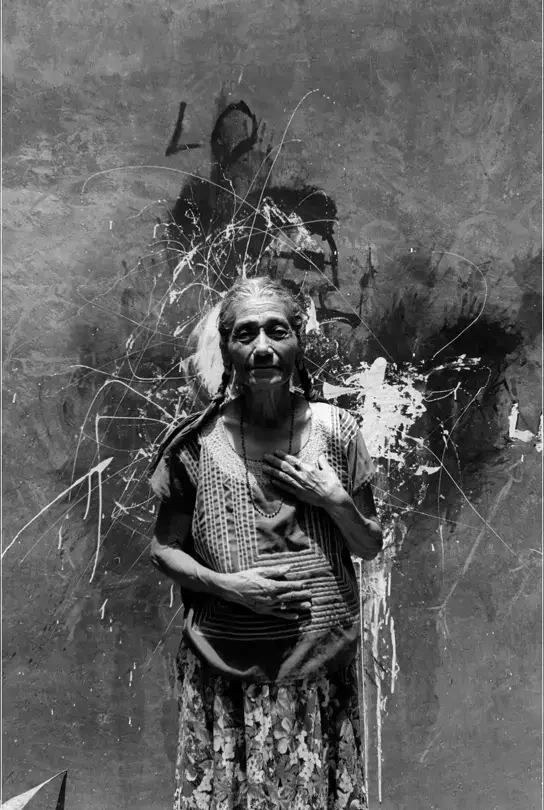
- Na’ Lupe Pan was selected as Leica Picture of the Year 2026.
- The Wetzlar exhibition presents more than 50 of her photographs.
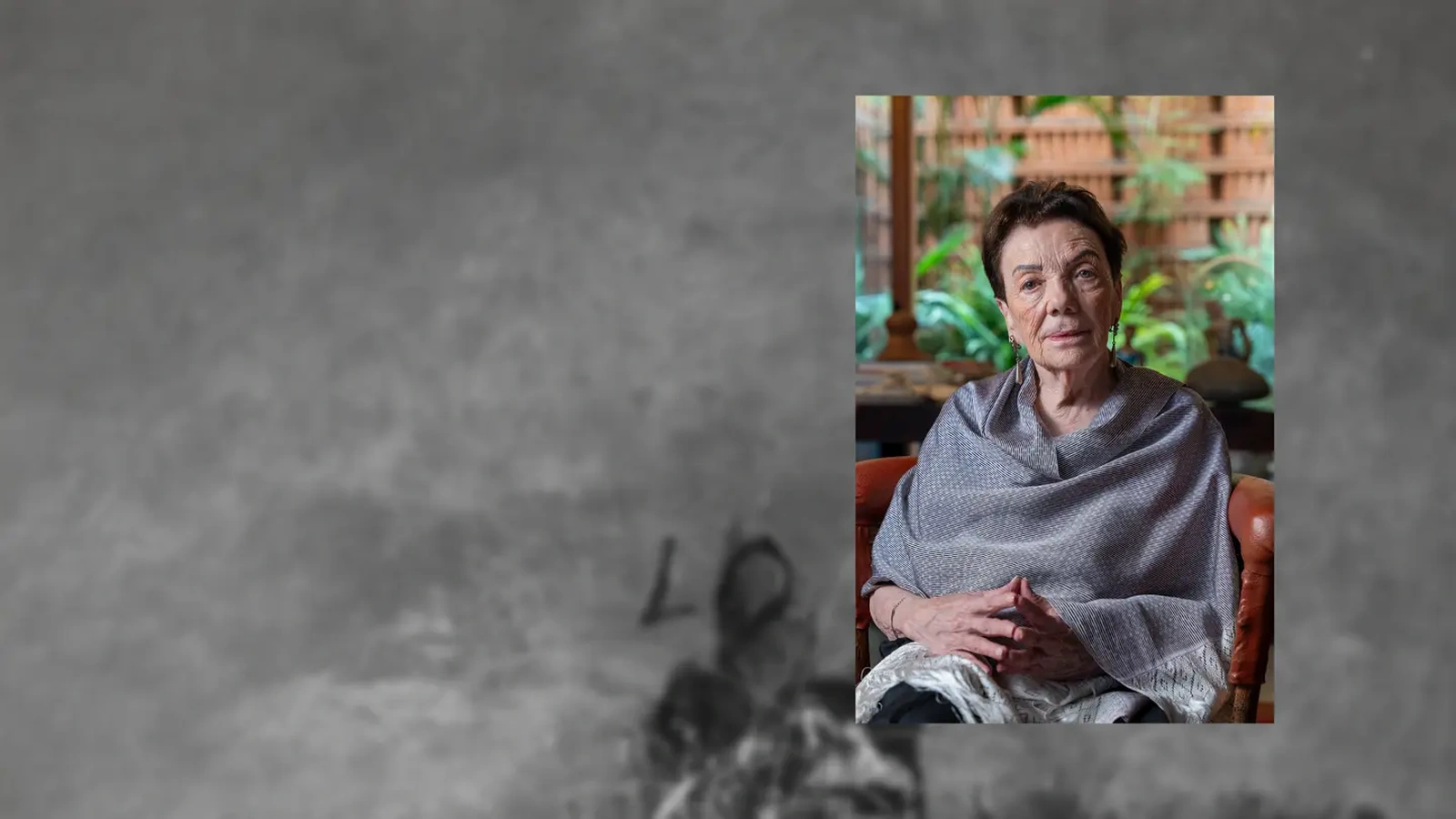
Graciela Iturbide, the Mexican photographer known for her black-and-white pictures of life in Indigenous communities, has received the Leica Hall of Fame Award 2026 in recognition of her life’s work.
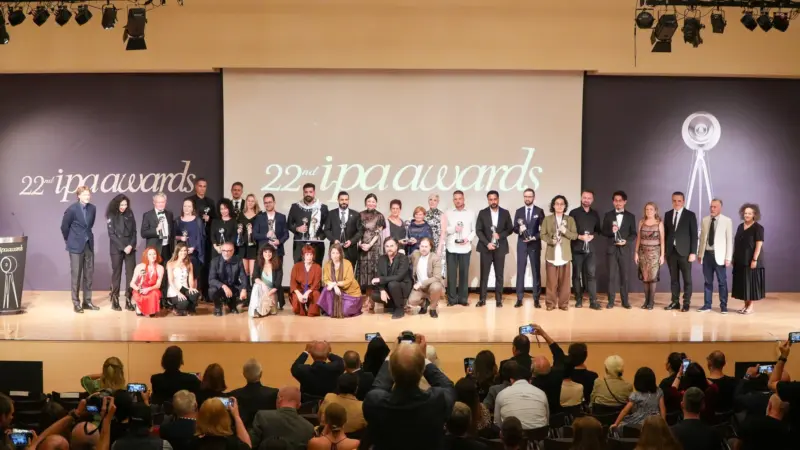
The award was presented on October 8 in Wetzlar at the Celebration of Photography, which also hosted the announcements of this year’s Leica Oskar Barnack Awards. Leica additionally selected her 1986 photograph “Na’ Lupe Pan” as its Picture of the Year 2026.
She set out to become a filmmaker
Iturbide was born in Mexico City in 1942. In 1969 she enrolled at the Centro Universitario de Estudios Cinematográficos, intending to become a filmmaker. Meeting Manuel Álvarez Bravo, who taught there, drew her towards photography. In 1970–1971 she worked as his assistant and accompanied him on journeys through Mexico.
Through him she became familiar with everyday life in rural Mexico. In the early 1970s she also travelled to Cuba and Panama. She gradually developed her own approach: photographing real people and situations with particular attention to details that make an ordinary scene appear strange or unexpected.
From the Sonoran Desert to the women of Juchitán
In 1978 she received a commission to photograph Indigenous populations for the ethnographic archive of the Instituto Nacional Indigenista. She chose the Seri people of the Sonoran Desert in northwestern Mexico. She spent time within the communities she photographed, getting to know people and sharing in their daily lives.
A year later, artist Francisco Toledo invited her to Juchitán in Oaxaca, a Zapotec community. That work continued for almost a decade: she returned between 1979 and 1988, publishing the book “Juchitán de las Mujeres” in 1989. She photographed women’s lives and their central place in the community, as well as muxes, people who live beyond the male–female gender binary.
Travel, new subjects and international recognition
Iturbide also worked outside Mexico, in countries including India, Madagascar and the United States. Her subjects expanded to include birds, landscapes and objects, as well as Frida Kahlo’s bathroom. In these photographs, attention often shifts from the human face to the spaces and things surrounding it.
International recognition came through exhibitions, books and major honours. She received the W. Eugene Smith Memorial Fund grant in 1987, a Guggenheim Fellowship in 1988, the Hasselblad Award in 2008 and the Princess of Asturias Award for the Arts in 2025. Her work belongs to collections including MoMA and The Metropolitan Museum of Art. She lives and works in Coyoacán, Mexico City.
The latest honour and the Wetzlar exhibition
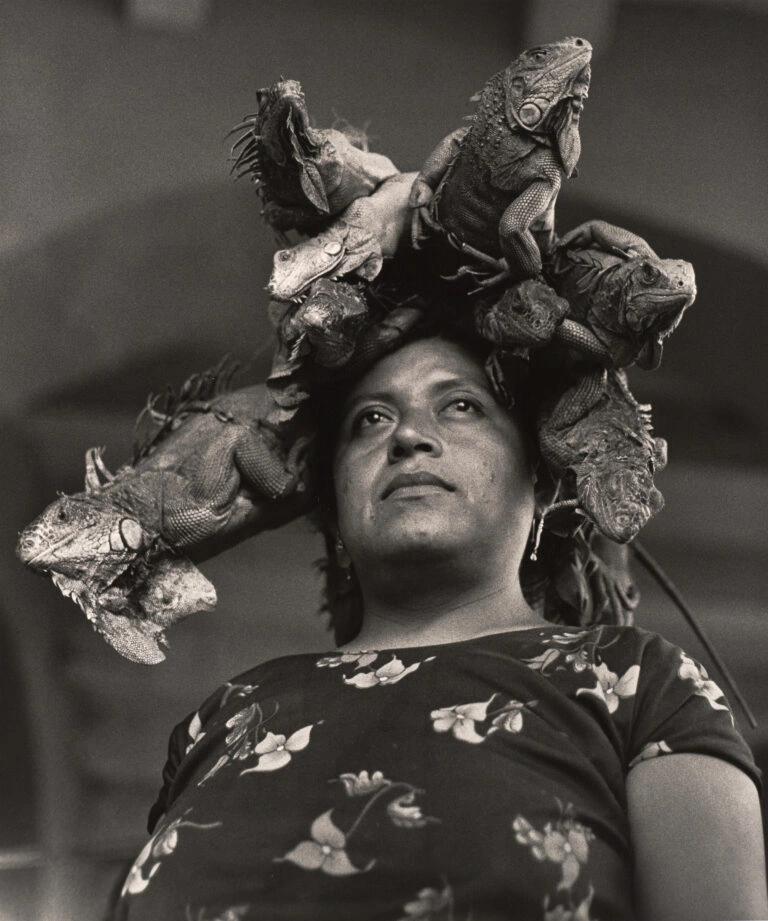
“Na’ Lupe Pan” (1986), selected as Leica Picture of the Year 2026, will be available as a limited-edition print through Leica Galleries from December 2026. This is the same initiative that paired Herlinde Koelbl’s honour and Leica Picture of the Year 2024 with a distinctive photograph from her work.
The exhibition at Leica Gallery Wetzlar presents more than 50 photographs from “Juchitán”, “México Clásicas”, “Pájaros”, “Desierto de Sonora” and “Viajes”. It runs until January 2027, bringing together different periods and subjects from her work.
What we think
Iturbide’s years of work in Juchitán deserve the attention of anyone starting a photographic project: they show how much returning to the same place and getting to know its people can matter. To understand her photography, it is worth looking at complete series and the relationships between images, beyond the best-known individual portraits.