

Summary
- The EBU has published its “Raising the Bar” guide
- It addresses sexualized and compromising camera angles
- The recommendations focus on women’s track and field
- Broadcasters are encouraged to highlight skill, strength and emotion
- Olympic athletes contributed their first-hand experiences
The European Broadcasting Union has introduced a new framework for filming women in athletics, calling for shots that highlight performance rather than their bodies.
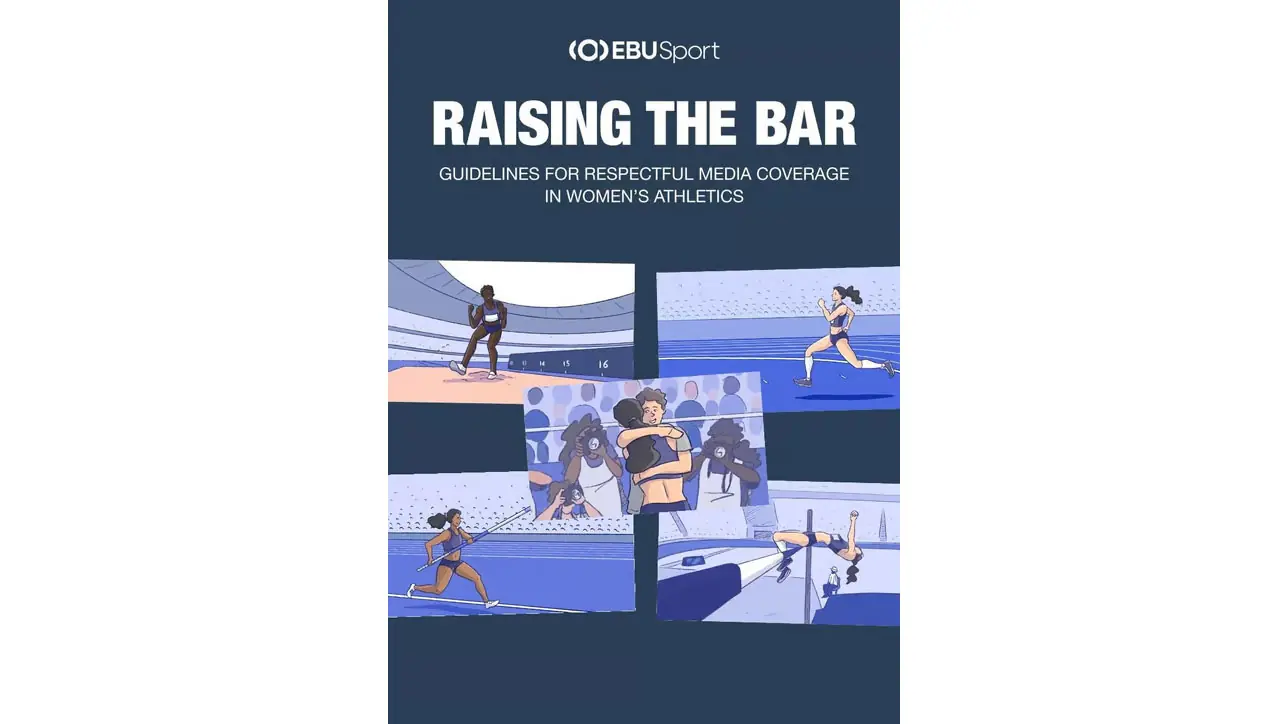
The EBU has published the “Raising the Bar” guide, offering practical recommendations to directors, camera operators and television producers on how to avoid sexualized or compromising camera angles during broadcasts of women’s events. The document focuses on disciplines including pole vault, high jump, horizontal jumps and running events.
The initiative matters because camera position, the length of a close-up and the use of slow-motion footage can shift attention away from an athlete’s technique and effort and toward her body. The EBU argues that respectful coverage does not reduce the drama or visual quality of a broadcast and can instead improve its storytelling.
Which shots are considered problematic
The guide highlights low camera angles that produce revealing images, lingering close-ups of athletes’ bodies and slow-motion replays that do not contribute to technical analysis or the story of the competition.
Particular care is recommended during moments of preparation, landing, disappointment or exhaustion, when an athlete may be in a position that provides little sporting information but could expose her unnecessarily.
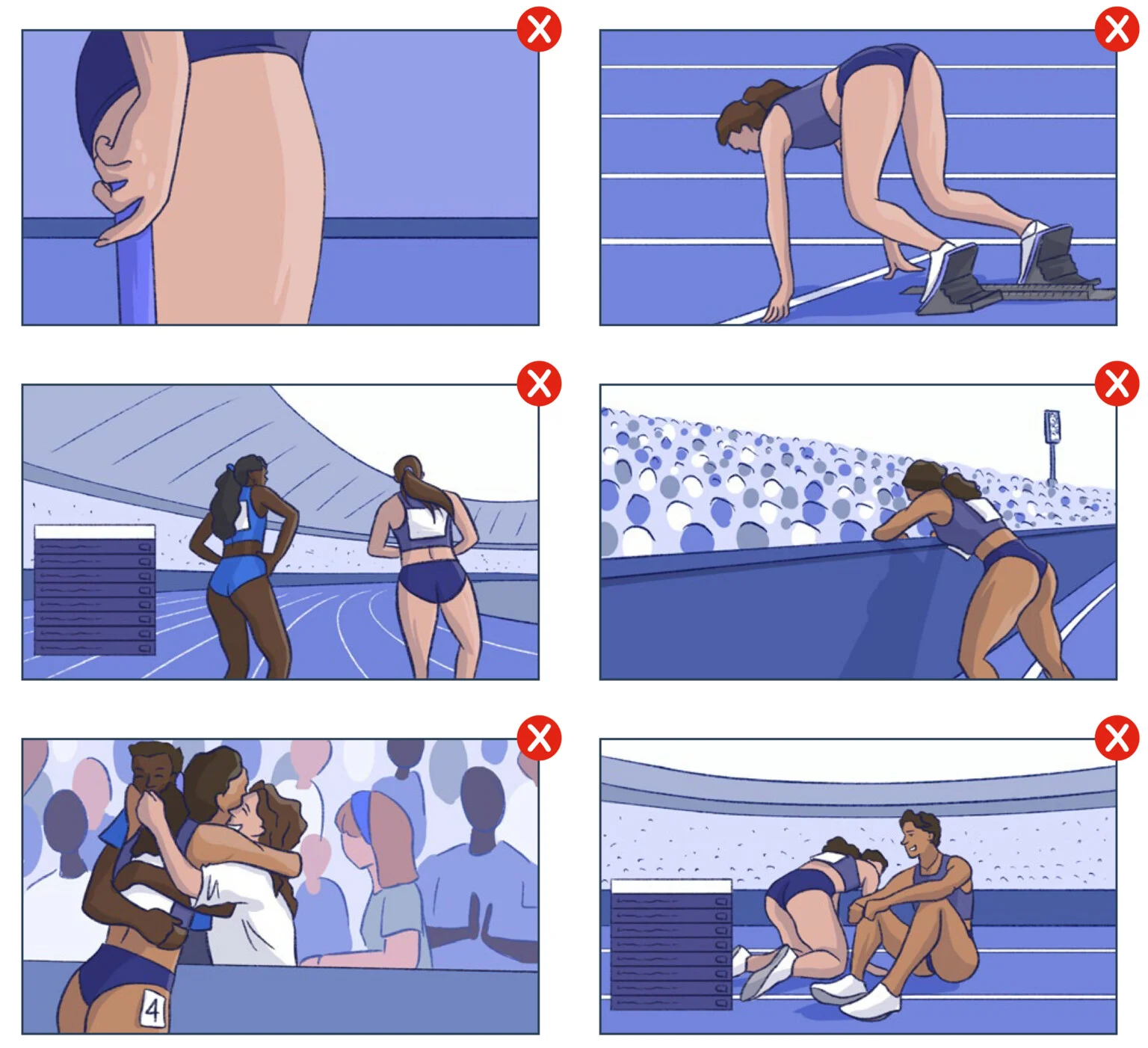
The EBU’s alternative approach
Instead of compromising shots, the guide recommends wider side angles, images that show the full movement and camera positions that help viewers understand the technique, speed and difficulty of an attempt.
The main principle is that the camera should follow the athletic action. A close-up or replay is considered useful when it explains the result, demonstrates technique or captures the genuine emotion of the moment.
The EBU stresses that the guide is not a list of prohibitions. Its recommendations are intended to provide a shared standard for both major international productions and smaller broadcast crews.
Athletes helped create the guide
Olympic athletes Holly Bradshaw, Ivana Španović and Blanka Vlašić contributed to the development of the guidelines, sharing first-hand experiences of how they have been portrayed during live broadcasts.
Bradshaw has explained that inappropriate shots and isolated slow-motion clips can be removed from their sporting context, circulated online and even lead to social media abuse.
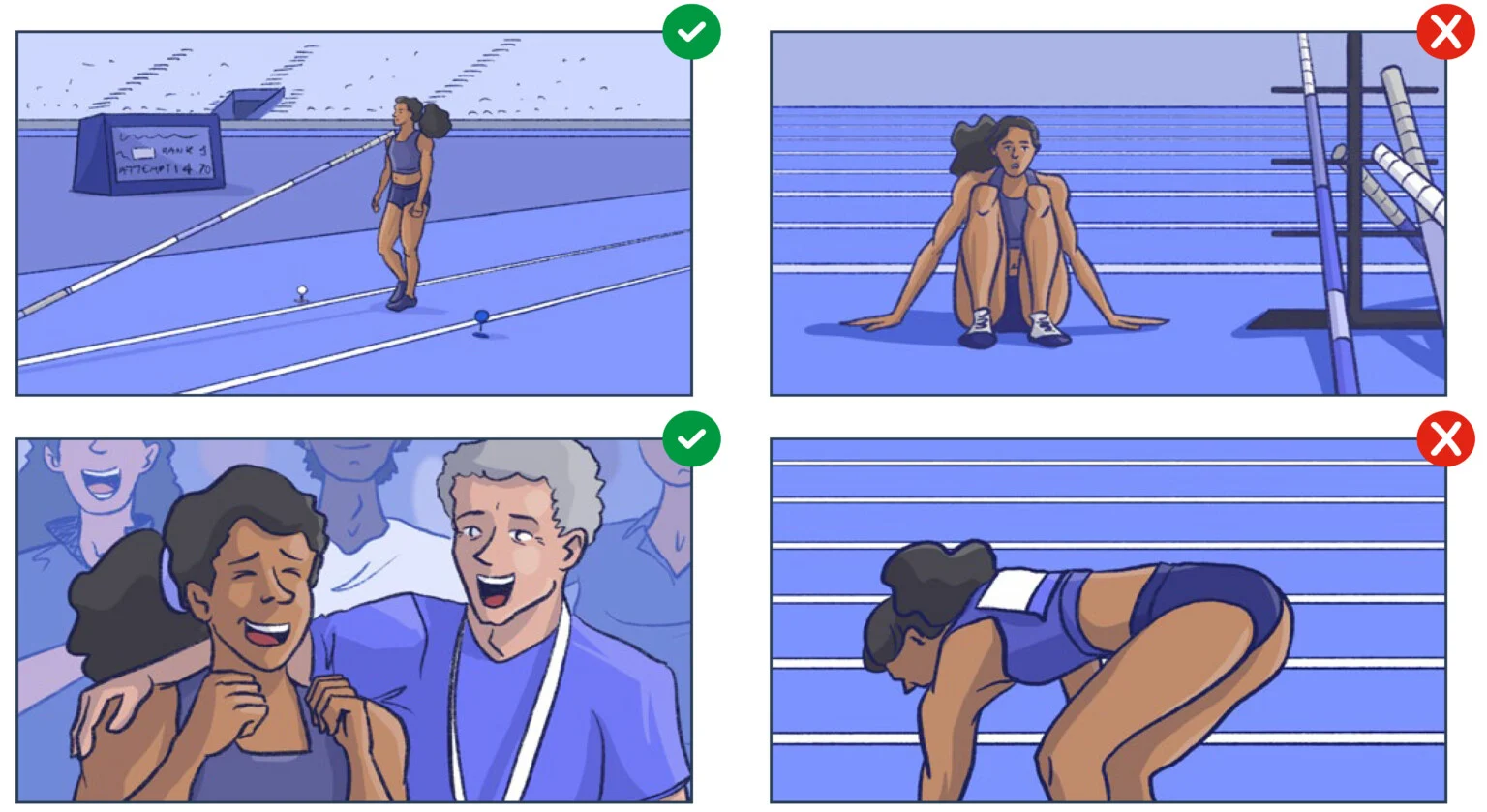
From a general principle to specific guidance
The discussion surrounding equal treatment in the filming of male and female athletes gained momentum during the 2024 Olympic Games, when Olympic Broadcasting Services asked television crews to avoid stereotypes and sexist production choices.
The new guide goes a step further by presenting specific camera positions and examples of appropriate and inappropriate shots for different athletics disciplines.
You will find the guidelines here.
What we think
The EBU guide addresses a genuine gap in sports broadcasting. A visually impressive production does not need to rely on exposing an athlete, as the right camera angle can provide better information to viewers while showing greater respect for the person competing.
Frequently asked questions
What is “Raising the Bar”?
It is a European Broadcasting Union guide on respectful television coverage of women competing in track and field.
Which shots should be avoided?
Revealing low angles, lingering close-ups of athletes’ bodies and slow-motion replays with no technical or storytelling purpose.
Are specific camera angles prohibited?
No. The EBU presents the document as a set of best practices rather than a strict list of bans.
Which sports do the guidelines cover?
The first guide focuses on women’s athletics, including jumping and running events.
Are the recommendations only for major broadcasters?
No. The same principles can also be applied by smaller crews and local sports productions.