

Summary
- George Lucas describes artificial intelligence as an inevitable development for cinema.
- He believes AI can make film production easier and more accessible.
- He compares resistance to the technology with choosing horse-drawn carriages over cars.
- Lucas criticizes focus groups and the excessive influence given to fans.
- He argues that filmmakers should retain creative control and responsibility.
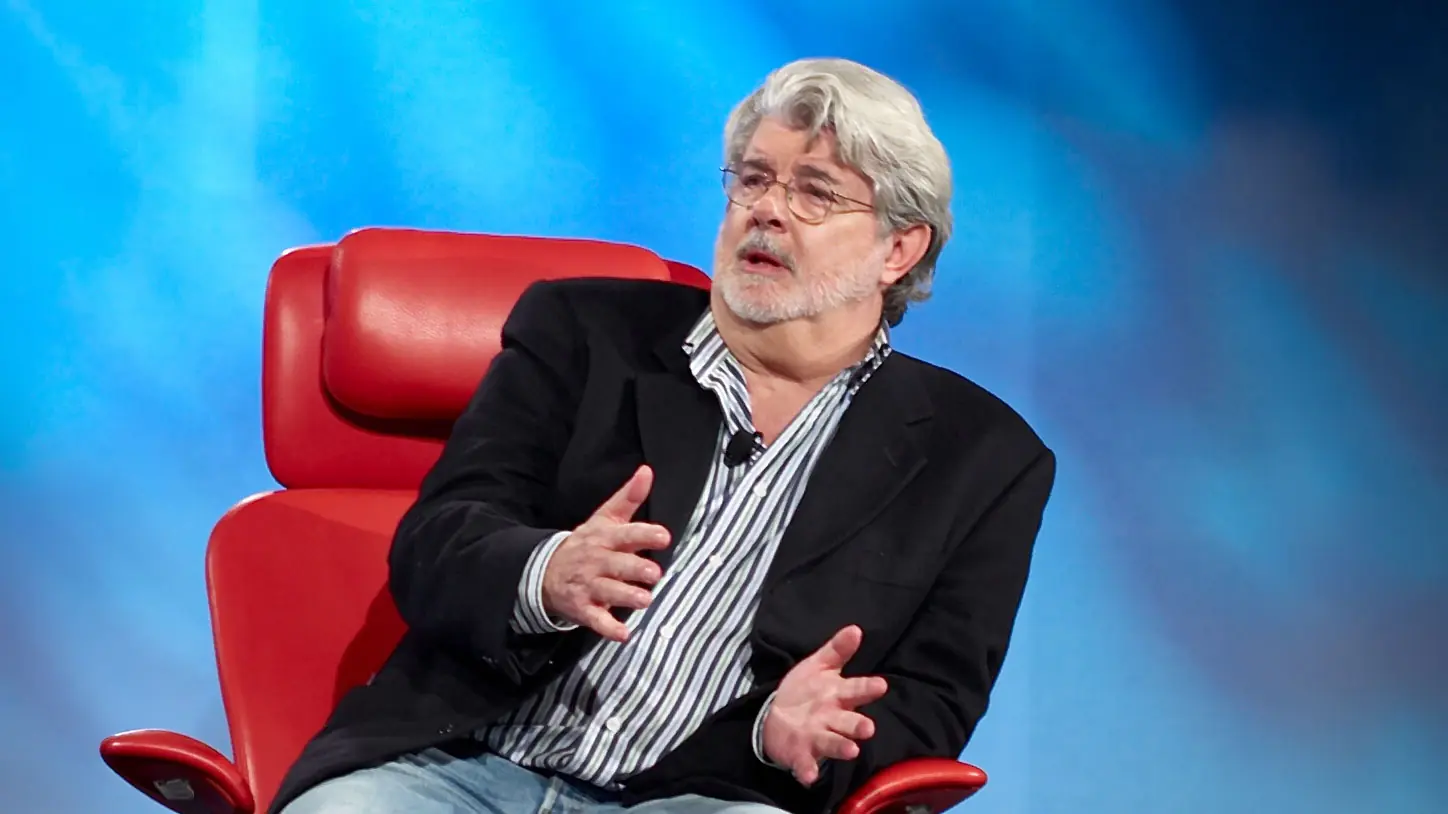
George Lucas believes artificial intelligence will inevitably transform film production, while also criticizing Hollywood’s dependence on test screenings.
The Star Wars creator said in a new interview that AI could make filmmaking easier, describing it as part of a technological advance that cannot be stopped. At the same time, he accused film studios of giving focus groups and fan reactions too much influence over the creative process.
His comments carry particular weight because they come from a filmmaker whose career has been closely associated with technological innovation, from pioneering visual effects to the extensive use of digital environments and characters.
Artificial intelligence as an inevitable development
Lucas compared resistance to artificial intelligence with holding on to horse-drawn carriages while cars were being introduced. In his view, every new technology brings problems and potential risks, but that does not mean its development can be stopped.
He said AI would make film production easier by providing creators with new tools. He also suggested that the technology could help identify manipulated material and trace where it originated.
His position was not limited to AI’s creative potential. Lucas stressed that responsibility for its use remains with people and that anyone using a tool illegally should be held accountable for their actions.
His opposition to focus groups
Despite supporting emerging technology, the director was highly critical of one of the film industry’s most established practices: test screenings.
Lucas believes studios often misinterpret audience reactions and allow viewers to exert too much influence over a film’s final form. He argued that the creative process should not become a public opinion poll or be determined entirely by what fans expect to see.
This position reflects his broader belief that filmmakers must retain control of their work and remain committed to a specific artistic vision, even when it differs from the audience’s initial expectations.
From visual effects to the age of AI
Lucas’ positive view of artificial intelligence is not surprising. The American filmmaker was one of cinema’s leading advocates for digital technology, while Industrial Light & Magic played a defining role in the development of modern visual effects.
The Star Wars prequel trilogy made extensive use of digital sets, computer-generated characters and motion-capture techniques years before these practices became standard in major productions.
Lucas therefore presents artificial intelligence as the next stage in a long process of technological change rather than as a temporary trend.
The debate over creative control
Lucas’ two positions may initially appear to point in different directions. On one hand, he supports a technology capable of automating parts of the production process. On the other, he rejects systems that weaken individual creative expression.
The common factor is the filmmaker’s control. For Lucas, both AI and audience reactions are tools and sources of information. They should not, however, replace the person responsible for the vision and direction of the film.
What we think
Artificial intelligence can reduce costs, accelerate complex tasks and provide independent creators with tools that were previously available only to major productions. The key issue is not simply whether it will be used, but who will control the outcome, how creators will be protected and whether the technology will serve artistic vision rather than replace it.
Frequently asked questions
What did George Lucas say about artificial intelligence?
He said AI represents the future of filmmaking and could make film production considerably easier.
Why does he disagree with test screenings?
He believes studios rely too heavily on focus-group reactions, allowing audiences to influence the creative direction of films.
Does he believe AI should replace filmmakers?
His remarks focused on AI as a production tool. He also emphasized that people remain responsible for what they create and for how they use the technology.
Has he used emerging technologies in his previous films?
Yes. Lucas’ productions pioneered visual effects, digital environments, CGI characters and motion-capture techniques.
What is the main concern surrounding AI in cinema?
The debate includes copyright, employment, the use of performers’ images and voices, and whether the technology will support or restrict human creativity.