Summary
- We Are Born Good won best narrative feature and original screenplay.
- Kartik Vijay received the cinematography award for Dead Tide.
- Shu Qi won best new director for Girl.
Yeung Leung-chuen’s We Are Born Good won best narrative feature and original screenplay at the 63rd Golden Horse Awards, held on 22 November 2026 at the Taipei Music Center. Kartik Vijay received the cinematography award for Dead Tide, and Shu Qi won best new director for Girl.
Established in 1962, the Golden Horse Awards are one of the major institutions of Chinese-language cinema. This year’s ceremony highlights films from different Asian filmmaking communities, with particular interest for the people behind the camera.
The official Girl trailer from Shaw Theatres:
The award-winning cinematography of Dead Tide
Dead Tide is a 106-minute Malaysian film directed by Kethsvin Chee. Inspired by a true story from his hometown, it follows a former prisoner returning to a fishing village and a woman kept in isolation by her family. Their encounter opens a difficult path towards redemption.
Vijay prevailed over Yu Jing-pin (Girl), Chen Chi-wen (The Age of Goodbyes), Chen Ko-chin (Double Happiness) and Jai Ip (Arrested Memory). Dead Tide received five nominations and also won best original film song for Gone With the Tide.
Speaking to the Hindustan Times on 24 November, Vijay said he had already received four previous nominations. His win highlights a career built through collaborations beyond India.
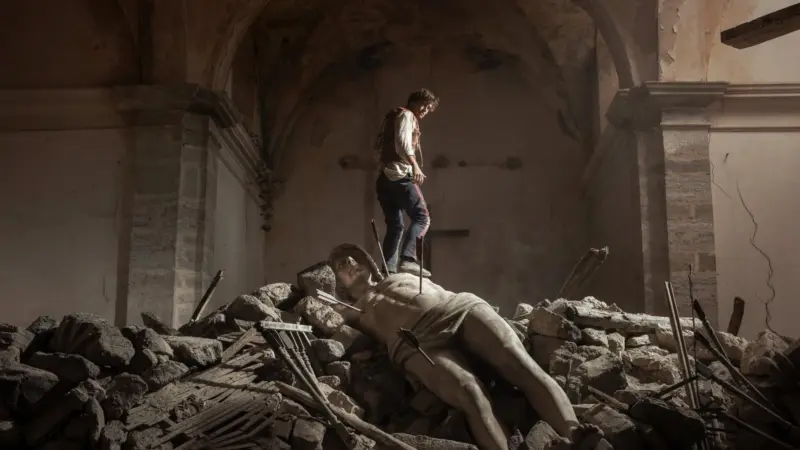
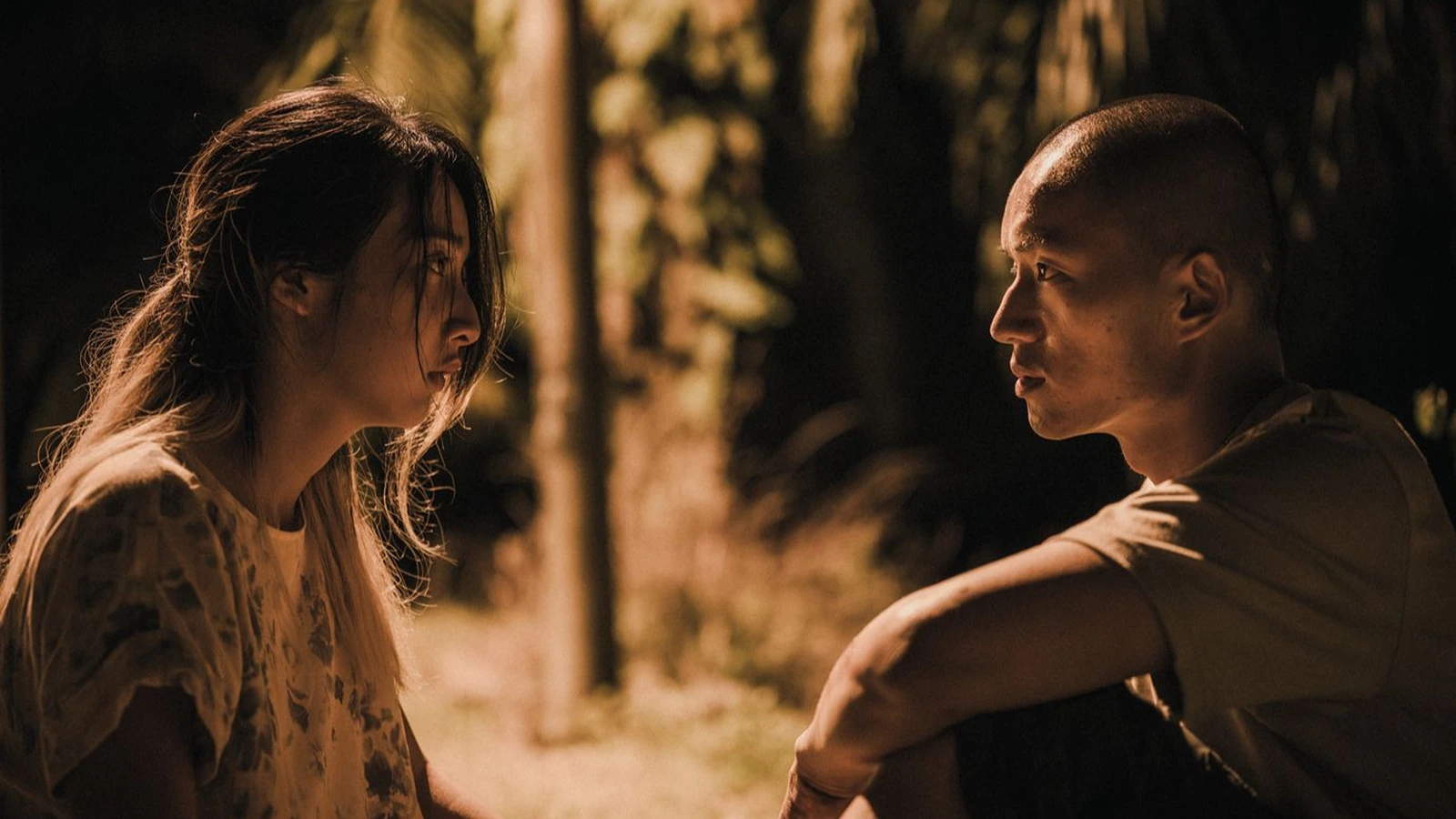
In the still accompanying this article, the two figures occupy opposite sides of the frame, with the space between them intensifying the encounter. Warm light, deep shadows and selective focus separate the faces from their surroundings. It is a useful starting point for observing how composition and the direction of light shape the feeling of an encounter.
We Are Born Good and Shu Qi
We Are Born Good received nine nominations. The screenplay, co-written by Yeung Leung-chuen and Thomas, begins with an incorrect food order and develops into a conflict between a young actress and a restaurant owner trying to rebuild his life. It is Yeung’s feature directorial debut.
Shu Qi wrote and directed Girl, which competed at Venice in 2025. Shot by Yu Jing-Pin, the film explores childhood, friendship and trauma passed between generations. In Taipei it also received the international critics’ FIPRESCI prize.
Other notable awards
Double Happiness won best director (Joseph Hsu Chen-chieh), leading actor (Liu Kuan-ting) and editing (Chen Chun-hung). Kung Fu was recognised for visual effects, action choreography, and makeup and costume design, while Arrested Memory won art direction and sound.
In animation, The Violinist won best animated feature and adapted screenplay. Scenes From Departure received best documentary feature, while We Are All Strangers won best original score.
What we think
From the cinematography award for Alone at Aesthetica to the recognition of Dead Tide, it is worth seeking out films distinguished by their imagery beyond major Hollywood productions. Cinematography is not merely about technical precision: it is the choice of what the viewer sees, what remains in shadow and how close they feel to the characters.
For a filmmaker, the awards for Vijay and Shu Qi offer a reason to study the relationship between directing and cinematography: how blocking, the distance between actors, contrast and space work together to communicate something that does not need to be said in dialogue. These are decisions that can be developed even on a small production, before selecting a camera or lenses.