

Summary
- Punch, the young macaque at Ichikawa City Zoo, became internationally known after the viral story involving his stuffed toy companion.
- On May 17, two American tourists allegedly entered the monkey enclosure, with one disguised and the other filming the incident.
- The zoo is now considering a full photography ban near the enclosure.
- Additional safety measures are already being introduced, including a larger restricted zone, anti-intrusion netting, and patrols.
- The case is also tied to wider concerns over overtourism in Japan.
A sudden wave of attention around the young macaque Punch is pushing a Japanese zoo to consider banning photography near the monkey enclosure.
Ichikawa City Zoo, in Chiba Prefecture, came under the spotlight after a May 17 incident in which two American citizens allegedly entered the monkey enclosure, with one wearing a mascot costume while the other filmed the stunt for social media. Authorities made arrests, and both men are facing a charge related to obstruction of business operations. According to the report, they denied the allegation and are also said to have provided false names while not carrying official identification.
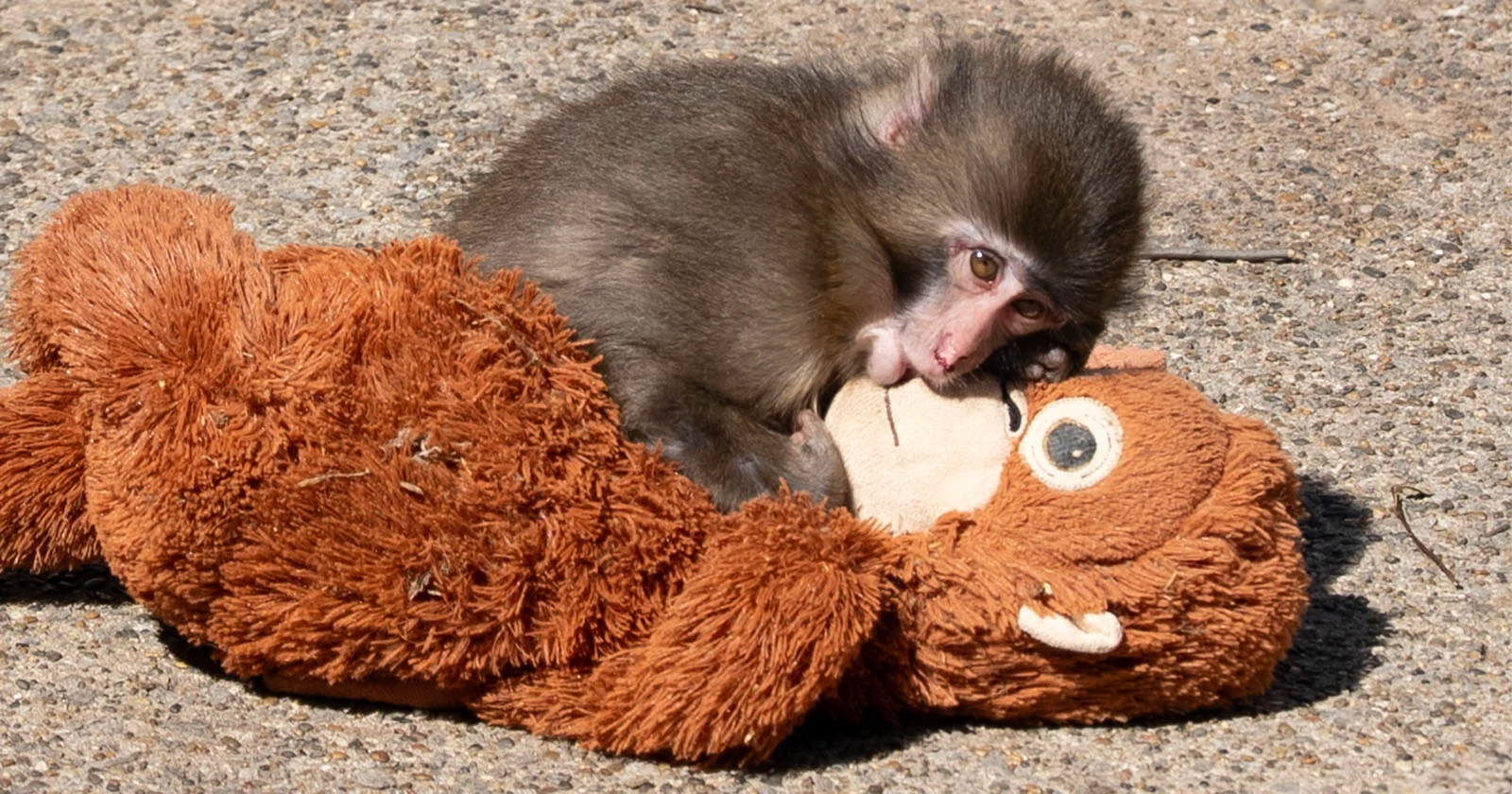
The case matters not only because of the security breach, but also because it involves an animal that has already become an international online sensation. Punch drew worldwide attention after being abandoned by his mother at birth, raised by zoo staff, and comforted by a stuffed orangutan. That story resonated widely and significantly increased visitor interest in the area.
What Happened at Punch’s Enclosure
According to the report, the enclosure houses around 60 monkeys, including Punch. When the disguised tourist entered the space, the animals panicked and climbed to the top of the play structure. No animal injuries were reported, but the incident was treated as serious because it disrupted zoo operations and created immediate risk for staff and the animals themselves.
Why a Photo Ban Is Being Considered
Zoo officials appear to connect the incident to the broader pressure created by Punch’s growing fame. The constant flow of visitors hoping to get a photo or video near the young macaque has increased disruption around the enclosure, and the zoo is now considering a full ban on photography in that specific area. A city official said the goal is to take steps that will prevent anything similar from happening again.
The Measures the Zoo Is Taking
The zoo has already expanded the safety buffer around the enclosure and is moving ahead with anti-intrusion netting, while permanent patrols near the area are also planned. At the same time, the case reflects a wider pattern in Japan, where overtourism is increasingly leading to restrictions when the pursuit of the perfect photo begins to cross clear boundaries.
The Wider Context in Japan
The story comes at a time when Japan is trying to manage the side effects of overtourism. In several parts of the country, local residents and authorities have raised concerns over visitor behavior that creates problems, especially when photography comes at the expense of safety, daily life, or respect for the space. At the same time, Japan’s international tourist departure tax is set to rise from 1,000 yen to 3,000 yen from July 1, 2026, as part of a broader effort to strengthen tourism infrastructure and manage higher visitor volumes.
What We Think
Punch’s story became a symbol of tenderness around an animal that won public sympathy, but the scale of the attention also reveals the darker side of online fame. When an animal turns into a content-driven attraction, the next step is no longer a better photo but stricter rules. In Ichikawa’s case, that shift already seems to be underway.