

Summary
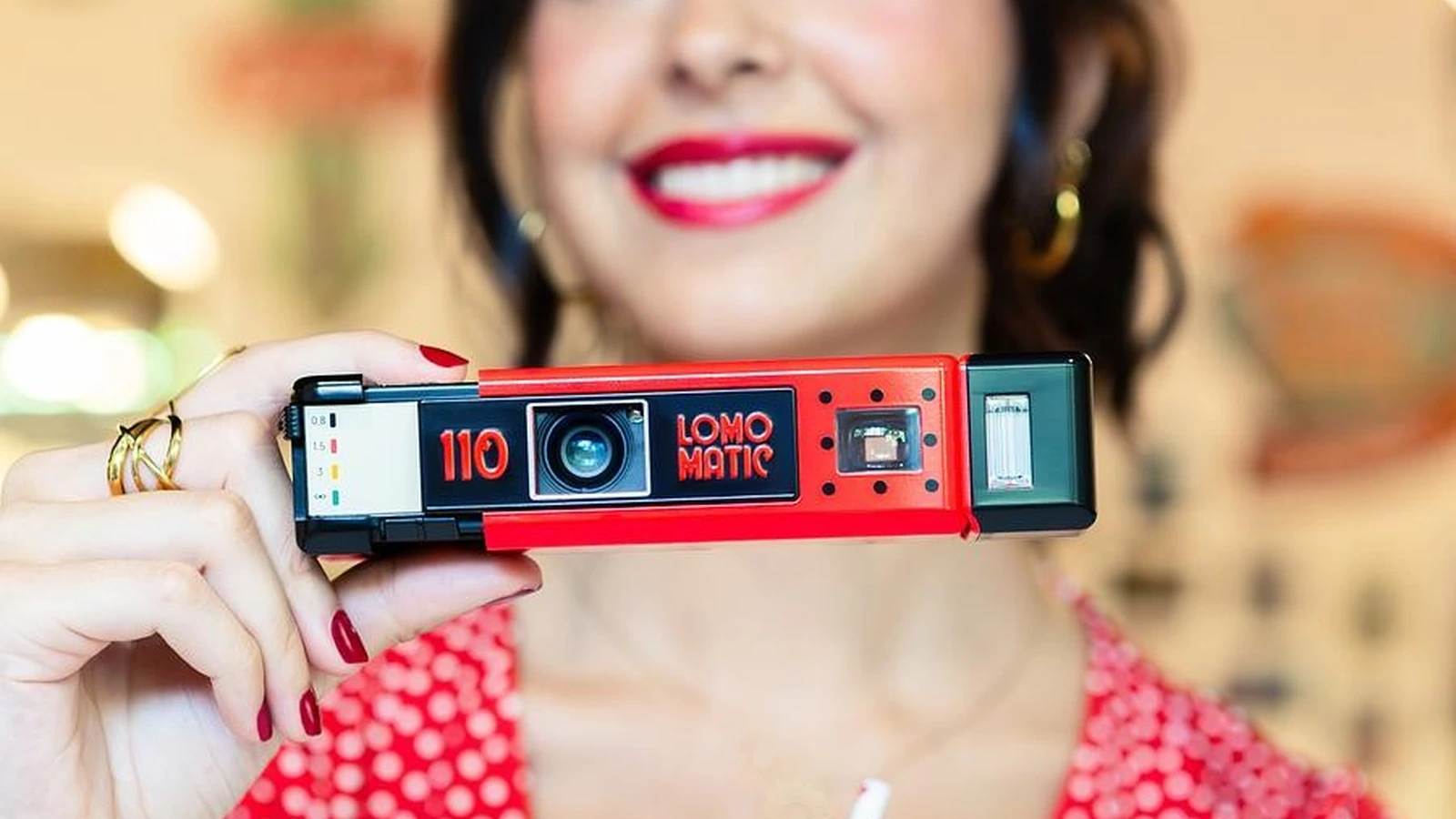
- New Ladybug edition of the Lomomatic 110 with a red polka-dot finish.
- 23 mm Minitar CX glass lens, automatic exposure, zone focusing and ISO 100/200/400.
- Includes a detachable flash with colour filters and supports multiple and Bulb exposures.
Lomography has added the Ladybug edition to the Lomomatic 110 range, featuring a red polka-dot body, a 23 mm Minitar CX lens, automatic exposure and a detachable flash.
The new edition keeps the compact nature of the 110 format and the Lomomatic 110 shooting system, with an emphasis on portability and creative control. According to Lomography, it remains the only current producer of new 110 films and cameras, having brought the format back into its range in 2012.
23 mm Minitar CX lens and exposure control
The Lomomatic 110 Ladybug uses a multi-coated 23 mm Minitar CX glass lens and provides two aperture settings: f/5.6 for Day and f/2.8 for Night. Exposure is automatic, while photographers can select ISO 100, 200 or 400 and use zone focusing.
- Film format: 110
- Focal length: 23 mm
- Apertures: f/5.6 (Day) and f/2.8 (Night)
- ISO: 100, 200 or 400
- Focusing: zone focus
- Shutter: Auto (A) and Bulb (B)
- Multiple exposures: unlimited
- Battery: 1 × CR2
Flash, multiple exposures and Bulb mode
The detachable Lomomatic Flash has manual Day, Night and OFF settings, along with interchangeable colour filters. The camera supports multiple exposures and Bulb shooting for longer exposures, but it does not include a tripod socket.
The compact 110 format
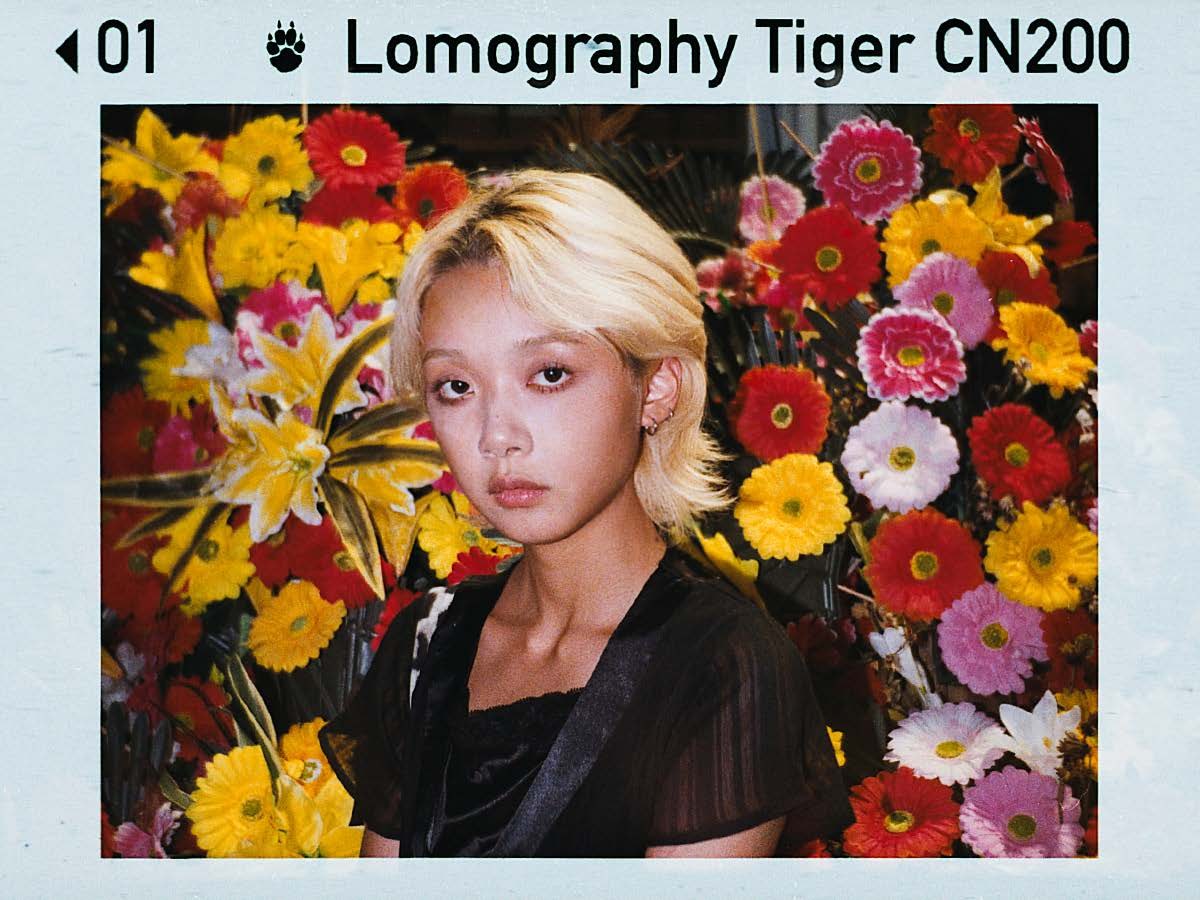
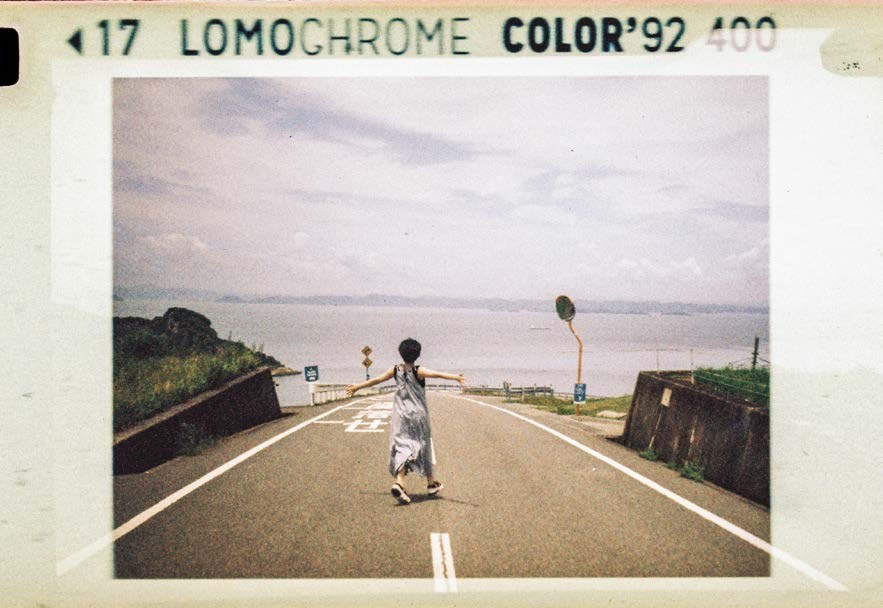
The 110 format became particularly popular in the 1970s thanks to its small film cartridges and very compact cameras. Lomography reintroduced 110 film in 2012 and currently offers colour negative, black-and-white, redscale and LomoChrome films for the format.
Price and availability
The Lomomatic 110 Camera and Flash Ladybug was announced at US$119, while Lomography’s European store lists it at €119. The package includes the camera, Lomomatic Flash with colour filters, a metal wrist strap, printed material, a tin can for 110 negatives and a short manual.
Find out more here.
What we think
Lomography’s material does not describe changes to the Lomomatic 110 imaging system for the Ladybug edition; the main new element is the red polka-dot finish. For photographers already interested in the 110 format, the core proposition remains the combination of a glass lens, automatic exposure and creative shooting functions in a very small body.
Frequently asked questions
What film does the Lomomatic 110 Ladybug use?
It uses 110 film cartridges.
Can the ISO be adjusted?
Yes. It supports ISO 100, 200 and 400 settings.
Is a flash included?
Yes. The Camera and Flash Ladybug edition includes the detachable Lomomatic Flash and colour filters.
Does it have a tripod socket?
No. The official specifications state that there is no tripod socket.