Summary
- Ethan Fenton won the inaugural Paul Lowe Award for The Shed.
- The work combines analogue photography, recorded voices, projection mapping and machine vision.
- The annual award honors the late photojournalist Paul Lowe, known for his coverage of Sarajevo.
A new photography award honoring Paul Lowe has named its first winner: an emerging photographer exploring the relationship between personal memory and artificial intelligence.
Ethan Fenton, a graduate of the MA Photojournalism and Documentary Photography programme at London College of Communication, is the inaugural recipient of the Paul Lowe Award for Photojournalism and Documentary Photography. The award was presented on November 5, 2026, at the opening of the college’s postgraduate photography show and carries a £500 prize.
The Shed: a photograph in conversation with AI
At the heart of Fenton’s winning work, “The Shed”, is a large-format analogue photograph made inside his grandfather’s shed shortly after his death. The space becomes a way to ask how we preserve images of people and places that matter to us.
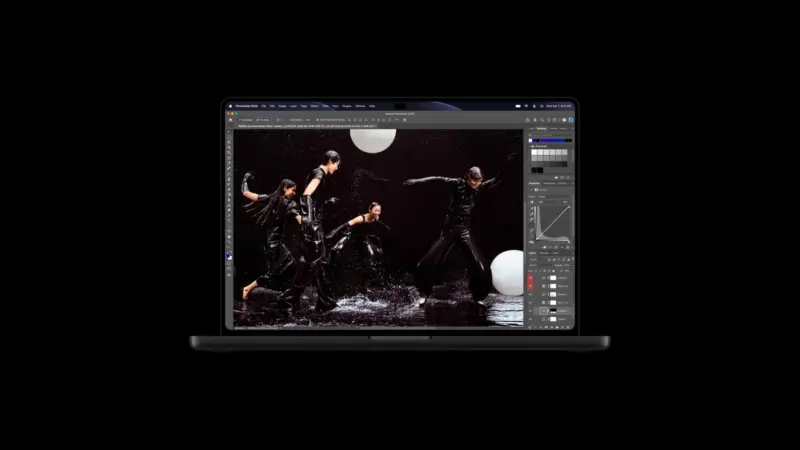
Fenton combines the photograph with recorded human responses, projection mapping and machine-vision technology. He contrasts the emotional ways in which people recognize and remember an image with the mathematical processes computers use to interpret it.
The judges chose the project unanimously. The panel included Daniel Alexander, Brigitte Lardinois and Steve Cross, who highlighted the combination of traditional photographic practice, contemporary technology and the question of who gets to decide which images should remain in our personal archives.
Who was Paul Lowe?
Paul Lowe (1963–2024) was a distinguished conflict photojournalist, author and educator. He photographed events including the fall of the Berlin Wall, Nelson Mandela’s release and the breakup of Yugoslavia. His images of everyday life during the siege of Sarajevo occupy a particularly important place in documentary photography.
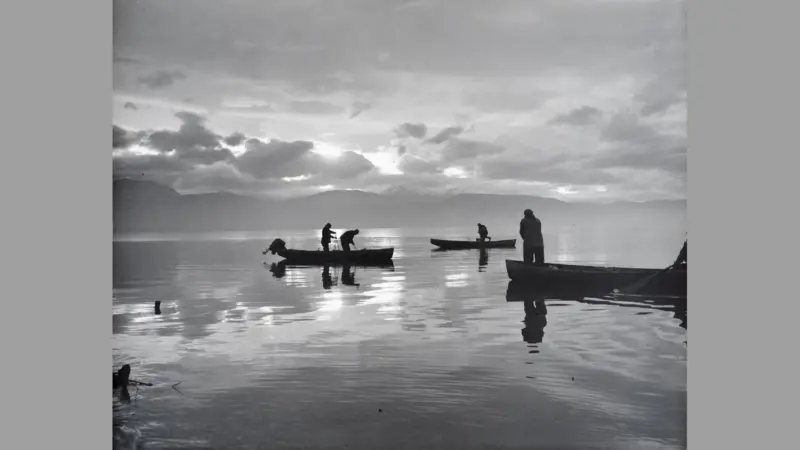
His coverage of the war in Bosnia connects Lowe to a generation of photojournalists that also included Yannis Behrakis, who also photographed Sarajevo. Both directed attention to the people living through history, beyond major political and military developments.
Lowe taught at London College of Communication for more than 20 years, serving as a course leader and professor whose work focused on conflict, peace and the image. He died in October 2024, aged 60. The new annual prize recognizes graduates of the postgraduate programme he taught on, extending his commitment to younger photographers.
Why Fenton’s selection matters
Fenton never met Lowe, but has said the photojournalist was one of the reasons he chose to study at London College of Communication. His award brings together two approaches to photography: testimony grounded in human experience and a critical examination of the way technology reads visual information.
What we think
The most compelling thing about “The Shed” is where it begins: a family place, a loss and a photograph that matters before any algorithm starts analyzing it. For a photographer, an image like this is more than colors, shapes and recognizable objects. It holds a story that may not be visible in the frame.
That makes the discussion about machine vision worth having. More and more photo archives are being organized, searched and filtered using algorithmic tools. They can help us find pictures, but they do not necessarily know why an apparently ordinary photograph can mean so much to the person who took it.
Giving the first award named after a photojournalist devoted to the human side of history to a project like this feels fitting. It reminds us that documentary photography is defined not only by technique or subject matter, but also by what it seeks to preserve.