Summary
- NAZA has passed 1.5 million admissions across 47 markets.
- Its reported international box office has reached $13.5 million.
- The documentary features 24 anonymous accounts of Israeli military operations in Gaza.
- Free global streaming is planned for early December.
NAZA, the investigative documentary examining Israeli military operations in Gaza, has attracted more than 1.5 million cinema-goers, making it one of 2026’s standout theatrical documentary releases.
Figures released by producers the Guardian and JW Films show 1,547,033 admissions across 47 markets as of November 6 and $13.5 million in international box office. The 80-minute film is directed by Yuval Abraham and Rachel Szor.
The official trailer can be watched on the Guardian’s website.
A major theatrical success
Italy is the film’s biggest market, with 717,517 admissions. According to its producers, NAZA has become the third most-attended theatrical documentary in Italian history, behind Fahrenheit 9/11 and March of the Penguins.
France recorded more than 82,000 admissions during a special two-day engagement, while Germany accounted for 83,355. The UK and Ireland, Spain and several other European markets have also contributed to the film’s international run.
Testimony from 24 Israeli military insiders
The documentary is built around accounts from 24 Israeli soldiers and intelligence personnel describing target selection, surveillance and AI-assisted military systems used in attacks on Gaza. Their identities are concealed, with digital alterations to their faces and voices to protect the sources.
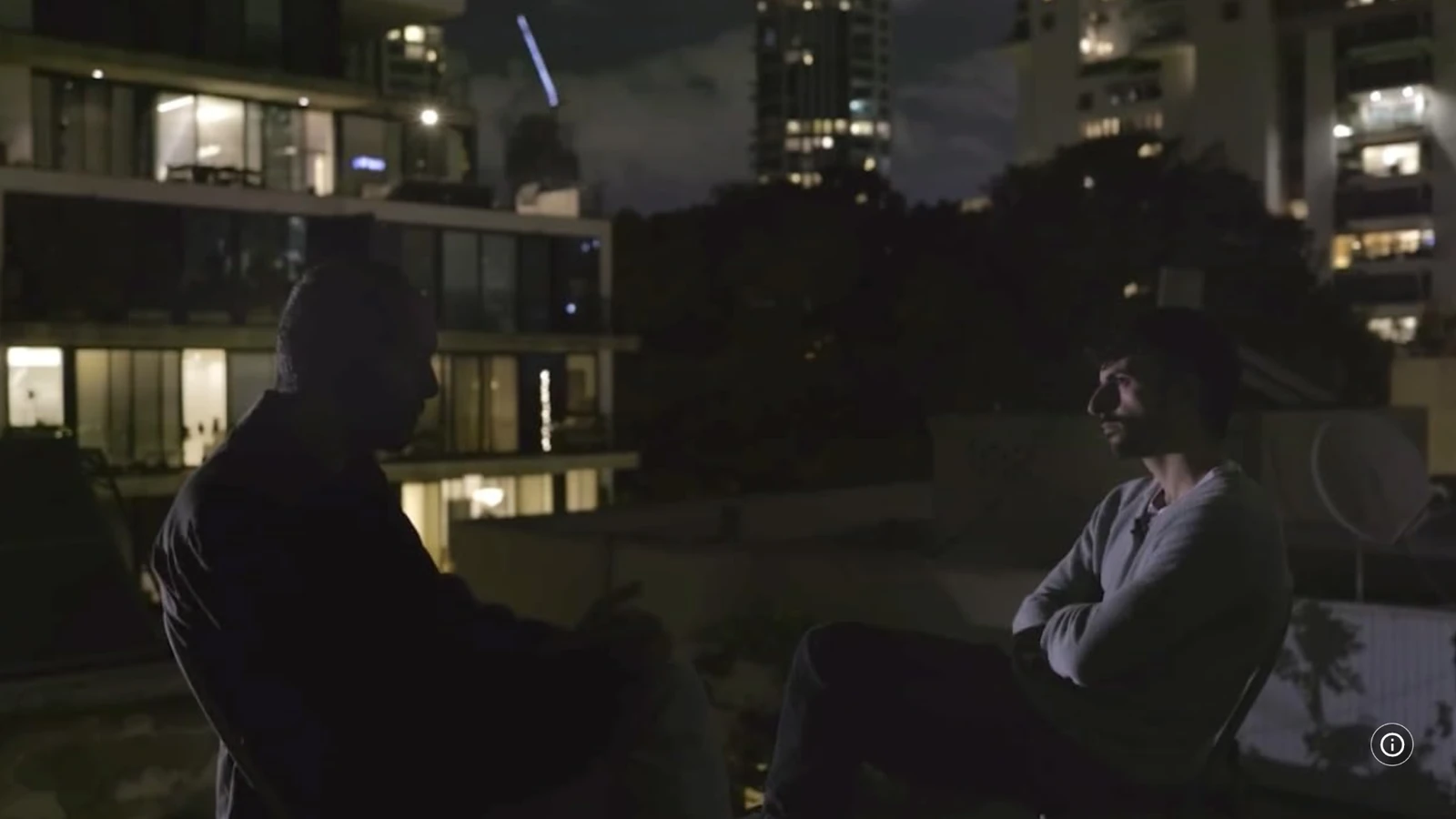
The interviews were secretly filmed at night on Tel Aviv rooftops. According to the filmmakers, NAZA is a military acronym referring euphemistically to the expected number of civilian deaths from an airstrike. The film draws on investigations published between 2023 and 2025 by the Guardian, +972 Magazine and Local Call.
The film has also sparked controversy in Israel, including threats and demands to prosecute anonymous interviewees. The Israeli military disputes aspects of the film’s allegations, arguing that its review procedures and civilian safeguards have not been accurately represented.
From Venice to cinemas around the world
NAZA premiered at the Venice Film Festival in September and won the Special Jury Prize. Directors Abraham and Szor previously co-directed the Oscar-winning No Other Land, while Jonathan Glazer serves as executive producer of this film.
After its theatrical run, the Guardian plans to make the documentary available to stream worldwide for free in early December. The earlier announcement of free online access has now been followed by a revised release window pointing to the beginning of next month.
What we think
NAZA’s box-office performance matters because this is a difficult investigative documentary, far removed from conventional commercial entertainment. More than 1.5 million people choosing to watch it in a cinema demonstrates a substantial appetite for testimony, evidence and independent scrutiny.
For filmmakers and photographers, the production methods are equally important: clandestine shoots, identities that must be protected and a narrative that has to remain compelling without turning suffering into spectacle. Cinematic craft is being used here to safeguard sources and help an audience understand the evidence.
Allegations concerning civilian deaths and the use of technology in targeting demand independent investigation and accountability. The importance of this work extends beyond admissions and festival prizes: its witnesses must be able to speak and have their accounts examined without intimidation.