Summary
- Netanyahu wants the military personnel who spoke in NAZA identified and prosecuted.
- The film brings together 24 accounts of Israeli attacks and expected civilian casualties in Gaza.
- His demand follows government moves against its filmmakers.
- Screenings are listed in Athens, Piraeus and Thessaloniki, with free online access announced for late November.
Benjamin Netanyahu wants the military personnel who spoke in NAZA about Israeli attacks in Gaza identified and prosecuted, turning state power against people who testified about possible crimes.
The Israeli prime minister’s demand exposes what is at stake in Yuval Abraham and Rachel Szor’s film: how much room those in power allow for testimony that exposes their actions. For filmmakers and journalists, the threat is concrete. Protecting a source can mean confronting an entire state security apparatus.
Identify and prosecute those who spoke
On Sunday, 11 October 2026, Netanyahu addressed military chief Eyal Zamir, Shin Bet director David Zini and Attorney General Gali Baharav-Miara. He demanded the identification of the soldiers and officers who participated anonymously in the documentary and their prosecution for serious information security offences, criminal defamation and harm to Israel’s diplomatic and security interests.
His letter alleges that highly classified information may have been disclosed and the security of a sensitive intelligence unit compromised. As of 12 October, charges against these witnesses have not been confirmed. But the political demand is already explicit: those who spoke should face the prosecuting authorities.
The people behind “collateral damage”
NAZA brings together testimony from 24 Israeli military and intelligence personnel. They describe target selection in Gaza, surveillance and artificial intelligence systems, and estimates of the civilians expected to die in attacks. According to their accounts, strikes were approved with knowledge of that human cost.
The title comes from the Hebrew Nezek Agavi, meaning collateral damage. The film restores the human weight that this sanitised phrase removes: the anticipated dead are people. The allegations raise questions about who knew, who approved the attacks and who must be held accountable.
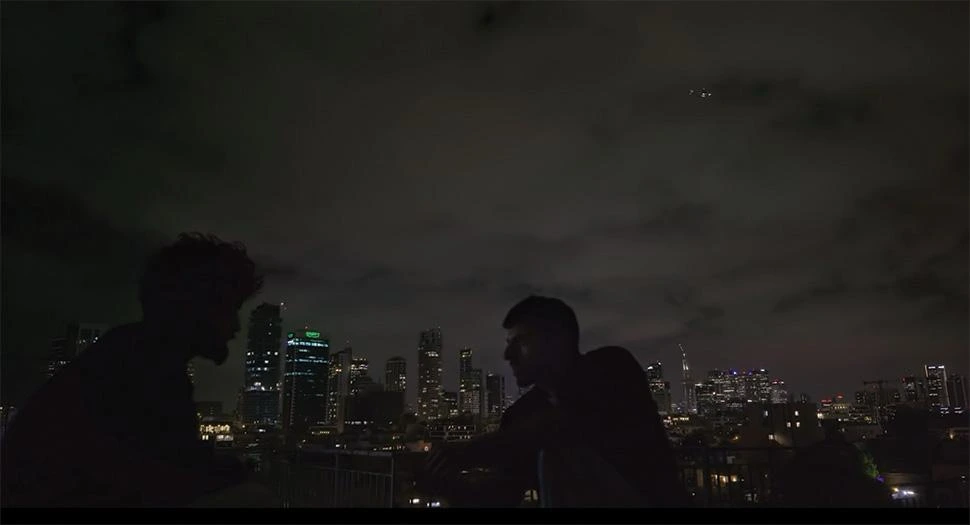
Interviews were filmed at night on Tel Aviv rooftops, with participants’ identities protected. The producers report research involving more than 100 sources. The 80-minute documentary, produced by the Guardian and JW Films, won the Special Jury Prize at the 83rd Venice Film Festival on 12 September. Anonymity now matters even more: it is the protection the prime minister wants removed.
From citizenship threats to targeting sources
The demand follows moves to examine stripping NAZA’s filmmakers of their citizenship. Culture Minister Miki Zohar had asked for that possibility to be examined, while Netanyahu had announced related legislation targeting people who defame Israeli soldiers. Those steps do not amount to citizenship being revoked. They do, however, show the sustained government pressure surrounding the film.
That pressure now extends from the filmmakers to the people who trusted them. For a documentary director, this threatens the ability to work at all. Who will share what they know when they see a prime minister demanding that previous witnesses be exposed and prosecuted? Silencing testimony does not require banning every screening. It can work by creating fear of what will happen after someone speaks.
The international community has the findings. Where is the protection?
This is happening against a backdrop of grave international findings about Israel’s actions. On 16 September 2025, the UN’s independent Commission of Inquiry concluded that Israel had committed genocide in Gaza. On 23 June 2026, it reported findings of genocide, crimes against humanity and war crimes in its examination of the deliberate targeting of Palestinian children. These are findings by an international investigative body, not a criminal court conviction.
On 9 October, more than 100 organisations warned that the ceasefire existed in name only, reporting continuing killing and injury of Palestinians by Israeli forces and restrictions on humanitarian aid and recovery. The succession of reports and appeals exposes the failure of the international response: knowledge of crimes has not translated into effective protection.
In its response on 1 October, the Israeli military called NAZA’s account misleading. It says later checks and civilian safeguards are omitted, and denies that attacks were automatically authorised with a predetermined number of casualties. Its denials require independent scrutiny, as does the testimony. Threatening sources with prosecution undermines the possibility of that scrutiny.
Where to see it in Greece
NAZA is also screening outside Thessaloniki. The listings checked include Cinobo Opera in Athens, the municipal Cineac in Piraeus, and Pavlos Zannas and Makedonikon in Thessaloniki. Filmtrade and Tanweer handle Greek distribution. Available dates and times are listed in the screening and ticket schedule.
For those unable to reach a cinema, free online access to NAZA through the Guardian has been announced for late November. That is a planned release; the full film is not already available through that announcement.
Our view
Netanyahu’s demand intimidates people who can expose responsibility for what has happened in Gaza. Invoking security gives no government a blank cheque to conceal crimes or punish their disclosure. Turning state power against witnesses strengthens silence and protects impunity.
The international community is also being judged here. With these UN findings and continuing reports from organisations, it cannot claim ignorance. Its failure to secure meaningful accountability leaves the Israeli government operating without effective restraint. Palestinians pay for that failure with their lives. Protecting witnesses and ensuring independent investigation of crimes is the minimum the international community must deliver.