Summary
- Choi Min-hee called photojournalists a “pack of hyenas” in a group chat.
- The Korea Press Photographers Association plans to file a police complaint on November 16.
- The lawmaker publicly apologized on November 11.
- A separate defamation complaint has already been filed.
A South Korean politician called photojournalists a “pack of hyenas,” prompting police complaints and demands for an investigation into her comments.
Choi Min-hee, a lawmaker and senior figure in the ruling Democratic Party, shared photographs on November 5 of journalists covering a party meeting at the National Assembly. The images appeared in a KakaoTalk group chat that, according to the Korea Press Photographers Association, included more than 500 people.
Alongside the photographs, Choi described the journalists as a “pack of hyenas” and claimed photojournalists and camera operators were trying to capture footage that would stir political division.
Photojournalists plan to take their complaint to the police
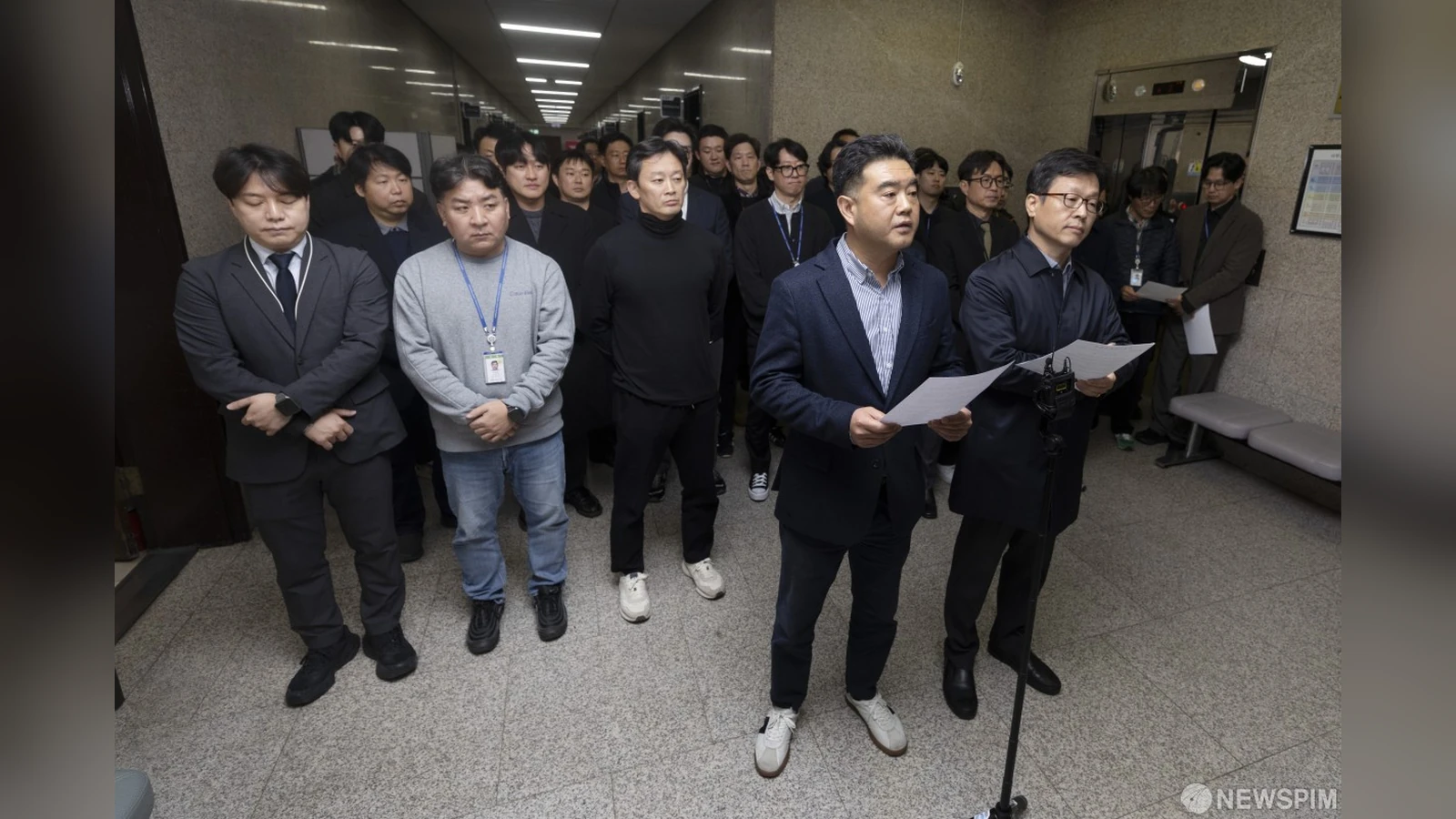
The Korea Press Photographers Association, led by Lee Ho-jae, announced on November 12 that it would file a police complaint against Choi Min-hee at Seoul’s Yeongdeungpo Police Station on Monday, November 16, at 9:30 a.m. local time.
That decision followed a joint protest by photographers and video journalists on November 11. Their professional associations condemned the lawmaker’s comments and called for a public apology and assurances that such treatment would not happen again.
According to the photographers’ association, journalists whose faces appeared in the circulated images experienced serious humiliation. The association says the exposure has affected their emotional well-being and ability to carry out their work.
The matter goes beyond one offensive phrase. A politician shared images of working journalists with hundreds of supporters, accompanied by accusations about the intentions behind their reporting.
The association has made its position clear: photojournalists do not cover parliament to create images that please politicians. They are there to document political events, scrutinize power and preserve a visual record of history.
The public apology and an already-filed police complaint
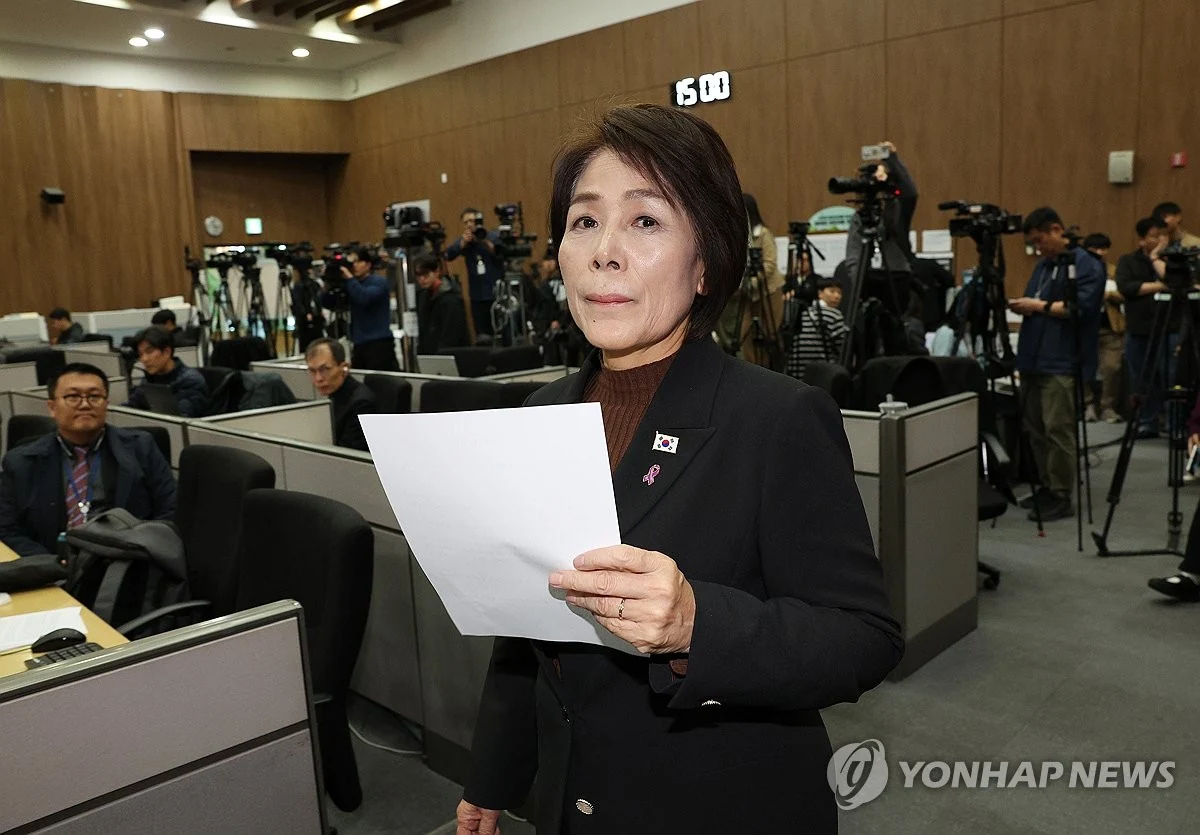
On November 11, after the remarks became public, Choi Min-hee held a press conference at the National Assembly and apologized to the journalists affected.
She acknowledged that her wording was inappropriate and said she had been frustrated by how some media outlets portrayed disputes within the party. She also pointed to the private nature of the group chat.
The apology did not end the controversy. On November 12, Lee Jong-bae, a former Seoul city council member affiliated with the opposition People Power Party, filed a separate police complaint alleging defamation.
Meanwhile, Democratic Party leadership ordered an internal review of Choi’s conduct as criticism spread beyond opposition politicians and professional press organizations.
As of November 12, one complaint has already been filed, while the photographers’ association has scheduled its separate filing for November 16. No court ruling has been announced.
Photographing political power does not require political approval
Photojournalists covering parliamentary proceedings record public figures during events of political and historical importance. Their work includes official statements as well as reactions, gestures, conversations and unexpected moments that unfold in front of the camera.
That is precisely why independent photographers and videographers can make public officials uncomfortable. Independent visual reporting is an essential part of press freedom.
The protection of photojournalists also matters in Greece, where incidents of police violence against photojournalists covering public demonstrations have been documented. These are different incidents, but they underline the need for visual journalists to work without intimidation or obstruction.
What we think
Anyone who has covered a protest, press conference or political event knows that a photojournalist is not there to wait for the perfect frame approved by a politician.
You photograph what happens in front of you. Sometimes an image flatters its subject; sometimes it does not. That is part of journalism, not proof that a photographer is pursuing a hidden political agenda.
What particularly concerns us here is that the lawmaker did more than make a verbal insult. She shared photographs of professionals at work in a chat with hundreds of people while attributing hostile intentions to them. That can expose individual journalists to unwanted attention and foster hostility toward people simply doing their jobs.
An apology is necessary when a public official crosses that line, but it does not automatically erase the consequences. The professional associations’ response defends photographers’ right to document events without having to justify every image that those in power dislike.