Summary
- Claes Bang and Felix Randau presented I Is Another in Thessaloniki.
- The film examines how a controversial figure shapes the telling of history.
- Randau explained why he relocated the drama to a train.
- The discussion raised questions about fiction, truth and moral responsibility.
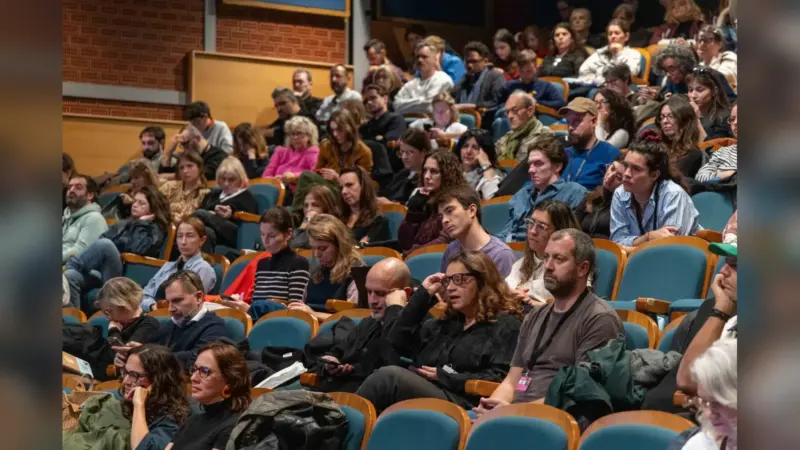
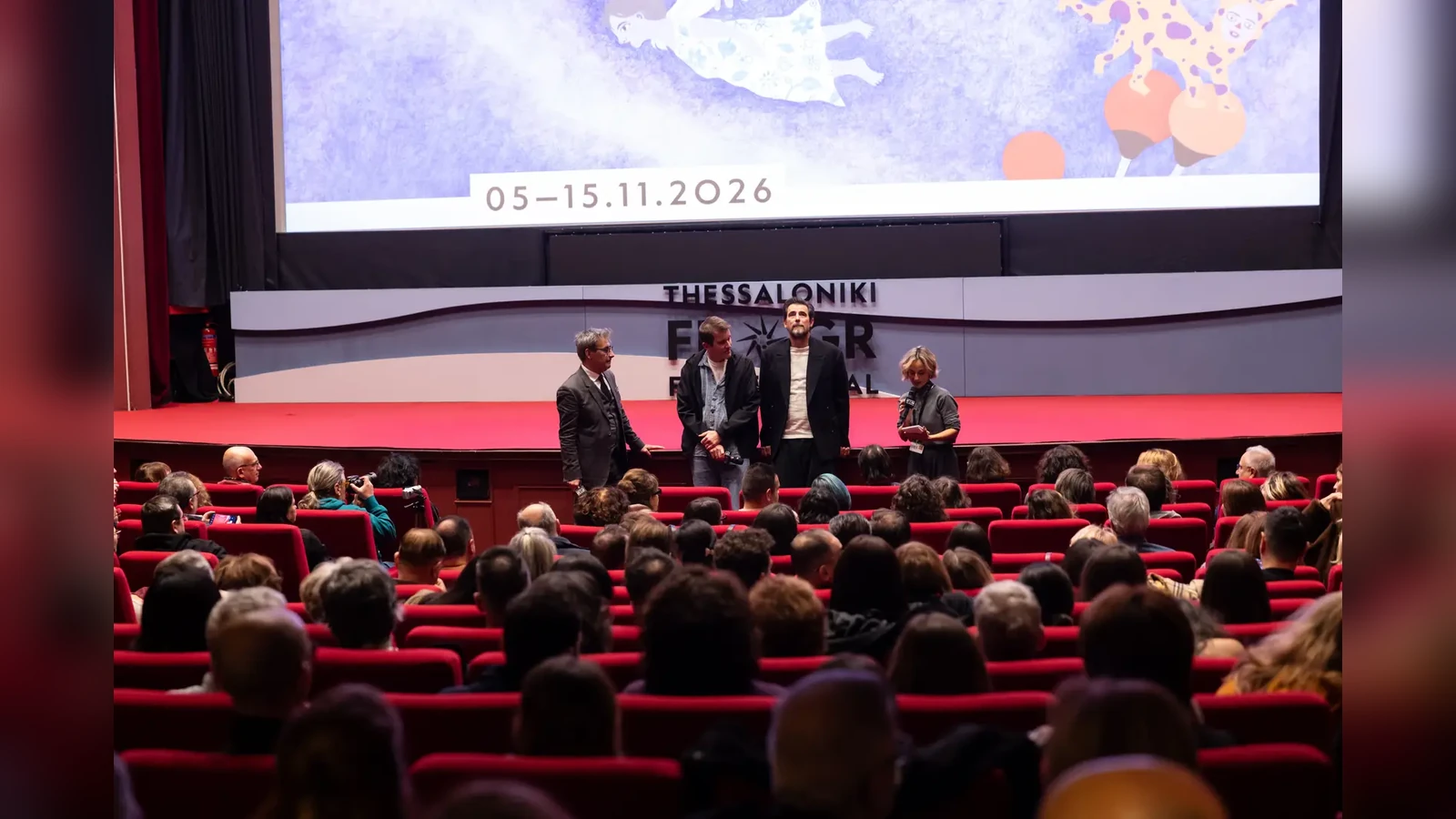
At a packed Olympion cinema in Thessaloniki, Claes Bang and Felix Randau presented a film that questions how history is written — and rewritten.
The screening of I Is Another took place on 7 November 2026 as part of the 67th Thessaloniki International Film Festival. Artistic director Orestis Andreadakis welcomed the Danish lead actor and German filmmaker, who then joined the audience for a discussion.
A story about truth and the desire to be remembered
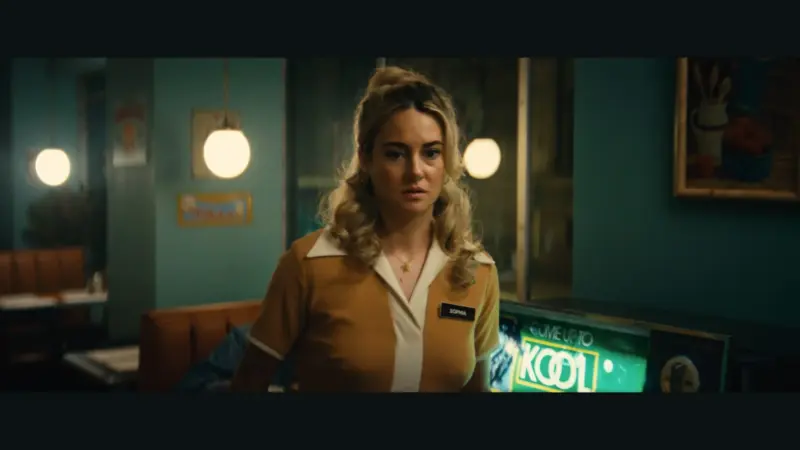
Set in autumn 1952, the film follows Felix Kersten, Heinrich Himmler’s former personal masseur, who claims to have helped thousands escape Nazi concentration camps. A German journalist doubts his account and approaches him on a train to Oslo, determined to expose contradictions in his story.
Bang plays Kersten in a claustrophobic drama that uses the confrontation between the two figures to question who controls the telling of the past. The 2026 German-Austrian production runs 93 minutes, with cinematography by Sebastian Thaler and editing by Joana Scrinzi.
Why the director moved the story onto a train
Randau revealed that the screenplay originally placed the action in a house in the German countryside. During the roughly five-year wait for funding, he relocated the story to a train. The confined space pushes the characters together, leaving little opportunity to escape their confrontation.
For filmmakers, that is a particularly useful narrative decision: location itself becomes a dramatic device. Tension can grow through blocking, reactions and the gradual release of information rather than constant changes of scenery.
Claes Bang on portraying a controversial figure
The actor described approaching roles by finding parts of himself in each character. For Kersten, the central impulse was the desire for recognition — to leave a historical legacy and magnify his achievements.
Randau also addressed the challenge of portraying Himmler. He argued that showing a historical criminal as a human being does not amount to defending him. The approach, the filmmakers explained, contributed to difficulties in securing German public funding.
Why period cinema must speak to the present
Randau said he had no interest in making a film concerned only with reconstructing the 1940s and 1950s. He wanted to connect that period to today’s difficulties in agreeing on what counts as truth. Thessaloniki hosted the film’s second presentation after Locarno.
The screening formed part of the 67th Thessaloniki International Film Festival programme, which brings screenings, discussions and international filmmakers to the city from 5 to 15 November.
What we think
For filmmakers, the most compelling choice here is turning a dispute over history into a two-person confrontation on a train. You do not need sweeping period spectacle to make a historical story work. You need characters with something to conceal, a setting that intensifies their conflict and a screenplay that allows viewers to doubt what they hear.
But representing figures tied to historical atrocities comes with responsibilities. Showing a perpetrator’s human contradictions can illuminate how power operates, provided the storytelling does not obscure the crimes themselves. Randau’s discussion with the audience brought that difficult creative choice into focus.