Summary
- Metalenz has acquired PxE Imaging and its HoloCoder technology.
- The design offers an alternative to the Bayer color filter.
- Metalenz claims 2.5 times more light reaches the sensor while color and depth data are captured together.
- No specific smartphone using this technology has been announced.
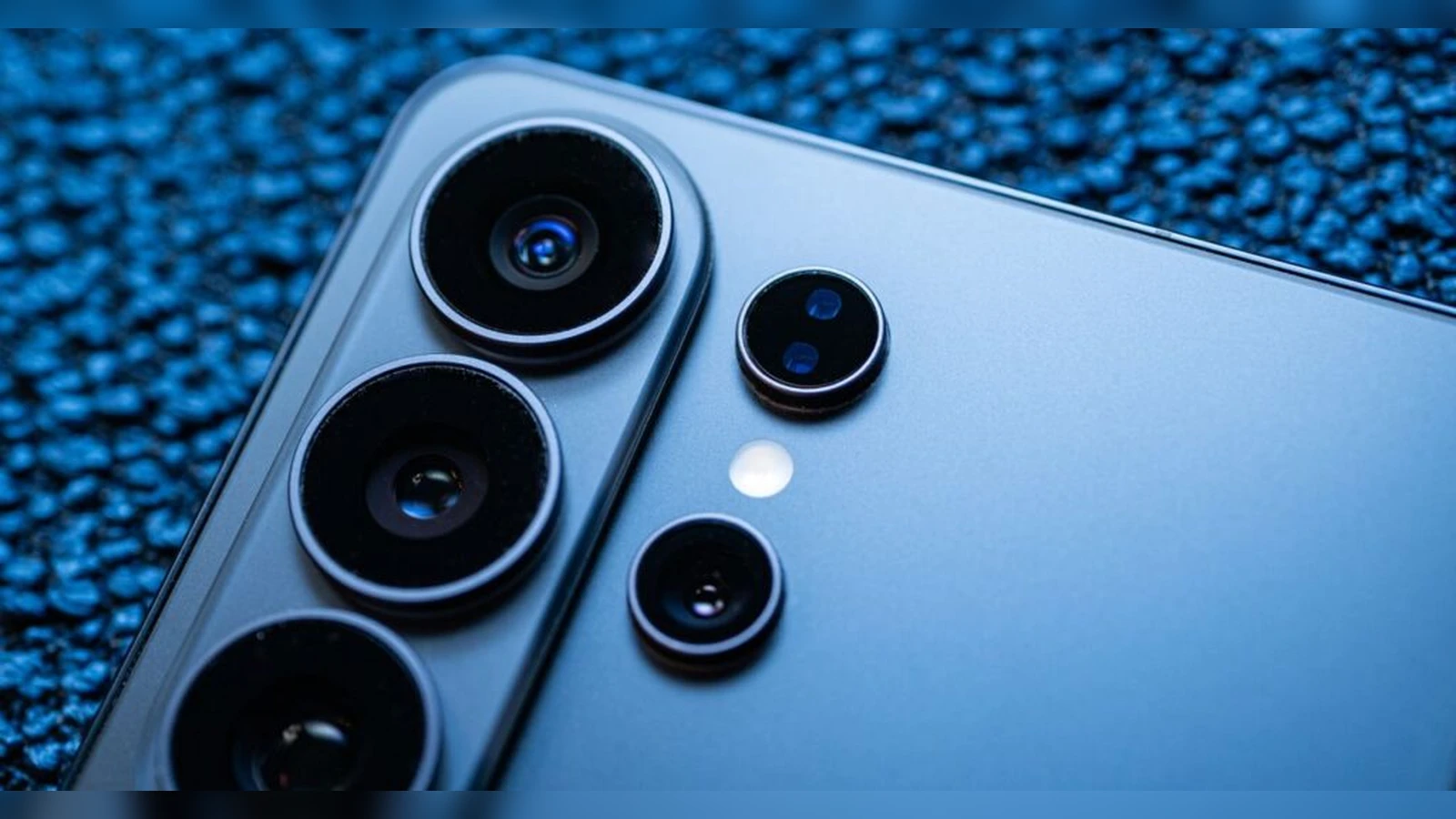
A new optical technology promises to deliver substantially more light to smartphone image sensors by replacing the Bayer color filter used in digital cameras for decades.
On November 11, 2026, US-based Metalenz announced the acquisition of Israeli company PxE Imaging, developer of HoloCoder technology. Metalenz says this approach can direct 2.5 times more light to a standard image sensor while recording color and depth information simultaneously.
Why the Bayer filter loses so much light
In most digital sensors, photodiodes cannot identify colors on their own. A mosaic of red, green and blue filters, known as the Bayer Color Filter Array, lets each pixel measure only part of the visible spectrum. The image processor then estimates the other color channels through demosaicing.
The drawback is that the filters absorb much of the other wavelengths. According to Metalenz, a conventional Bayer arrangement absorbs roughly 60% of incoming light. That matters particularly in smartphones, where smaller sensors and compact lenses make every photon valuable.
How PxE HoloCoder works
Instead of separating colors by absorbing unwanted light, HoloCoder uses a microscopic optical structure patterned onto the sensor and exploits the wave behavior of light. Diffraction encodes wavelength and wavefront curvature information so that color and depth can be recovered from the same capture.
Metalenz says the approach replaces both the Bayer filter and conventional microlens array with a single layer. Its platform is described as providing aligned RGB, infrared and depth data without separate active illumination or a dedicated depth sensor.
The “2.5 times more light” figure is a company claim about light utilization, not an independently published measurement that a complete smartphone camera will produce images with 2.5 times better quality. Final performance will still depend on the sensor, read noise, lens, color processing and HoloCoder implementation.
What it could mean for low-light photography and video
More usable light could produce a cleaner signal in dark scenes. A manufacturer might choose shorter exposures to reduce camera shake and motion blur, or lower gain to keep noise down. The potential is especially relevant to video, where long exposures and multi-frame stacking are not always practical.
Depth captured from the same viewpoint could also improve portrait segmentation, augmented reality and spatial scene understanding. This physical measurement would complement the smartphone image-processing pipeline rather than depending entirely on computational depth estimates.
The acquisition and what comes next
Metalenz originated at Harvard and developed metasurface optics compatible with semiconductor manufacturing. It says more than 300 million metasurface optical components have shipped in consumer devices. The PxE acquisition extends its sensing portfolio from polarization and near-infrared to color imaging and depth.
The official announcement names no smartphone or manufacturer adopting HoloCoder and gives no price or confirmed consumer launch date. In a media interview, the Metalenz chief executive suggested devices might adopt the technology from late 2027, but this is not an official model announcement. Financial terms of the acquisition were not disclosed.
Beyond smartphones, the companies are targeting cameras for robotics, drones, automotive applications and machine vision, where simultaneous color and geometry could reduce the need for multiple sensors.
What we think
What catches our attention is the focus on the light that actually reaches the sensor. For years, smartphones have dealt with noise and difficult scenes by adding more computational photography. Keeping more real information at capture gives that software better material to work with.
For photographers and filmmakers shooting at night, a camera that preserves detail without turning textures into wax through aggressive denoising would be genuinely valuable. What we would want to inspect are real comparative RAW files, believable color reproduction and shots with moving subjects, not just a headline light-collection figure.
Depth from the same sensor is equally intriguing. If it reduces the need for secondary cameras and fixes the familiar portrait errors around hair, glasses and transparent objects, we will notice the benefit in everyday photographs rather than in a lab chart.