Summary
- OPPO details the imaging tests behind the Find X10 series.
- Colour is assessed with 140 reference targets and lighting across 40 setups.
- Robotic arms and a simulated concert stage are used for stabilisation testing.
- The Chang’an factory ships up to 7,200 Pro Max devices per day.
- 140 reference colours and 40 lighting conditions
- What the three LUMO imaging engines do
- A simulated concert and robotic camera tests
- From camera-inspired design to the production line
- ColorOS 17 brings AI further into photo editing
- Price and availability in Greece
- What we think
- Frequently asked questions
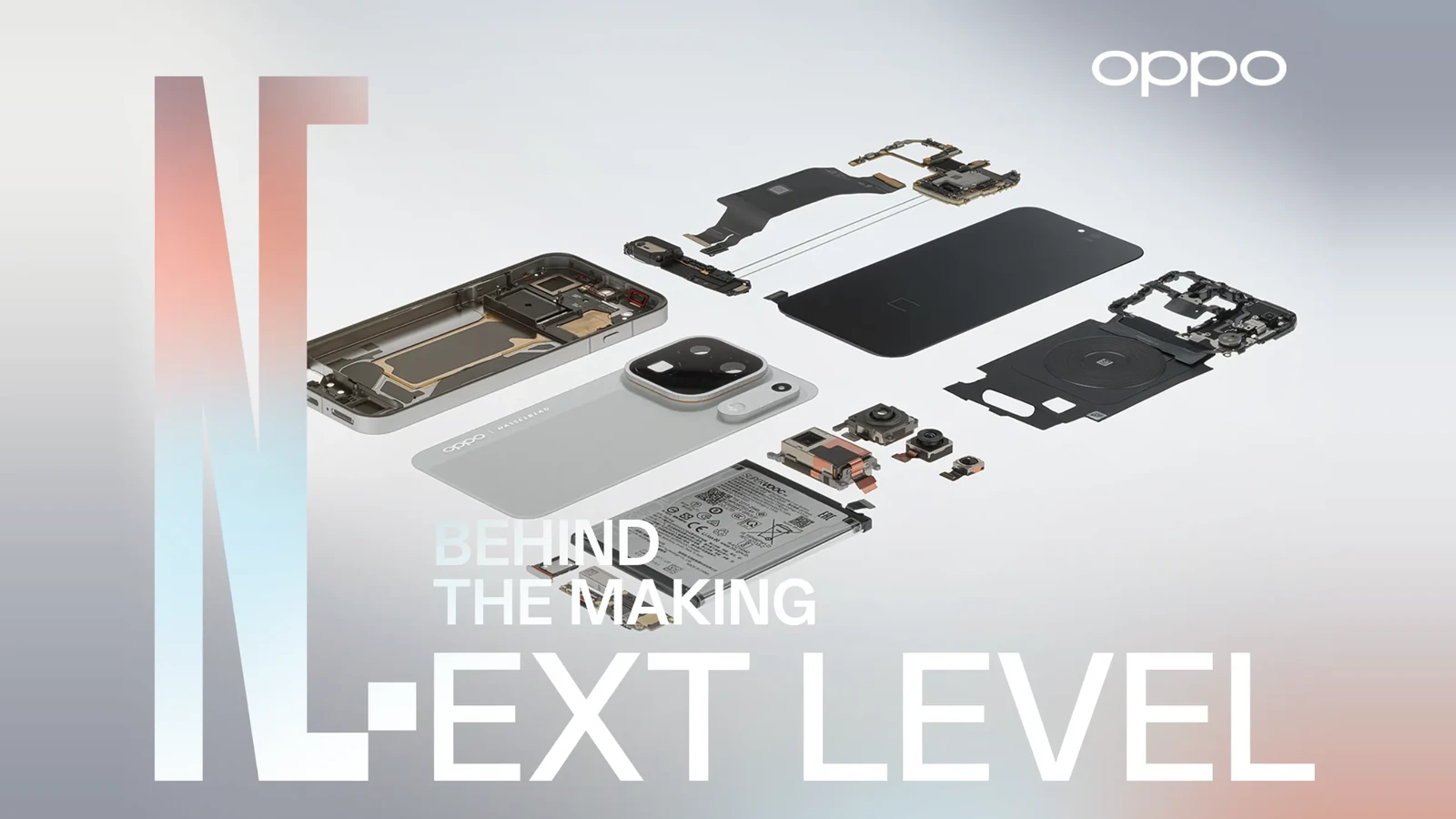
What does it take to tune three 200MP cameras? OPPO has opened up its Find X10 development labs and production lines to show how colour, HDR and image stabilisation are tested before a phone reaches its owner.
The October 29 presentation is not another product launch. The Find X10 camera specifications, Greek pricing and release date have already been announced. This time, OPPO is showing what happens behind the scenes, from colour validation to automated assembly.
140 reference colours and 40 lighting conditions
At its True-to-Life Image Lab, OPPO evaluates HDR, facial brightness and skin-tone gradations across 40 different lighting conditions. Rather than relying only on a conventional 24-colour chart, it uses 140 reference colours to assess more hues and saturation levels.
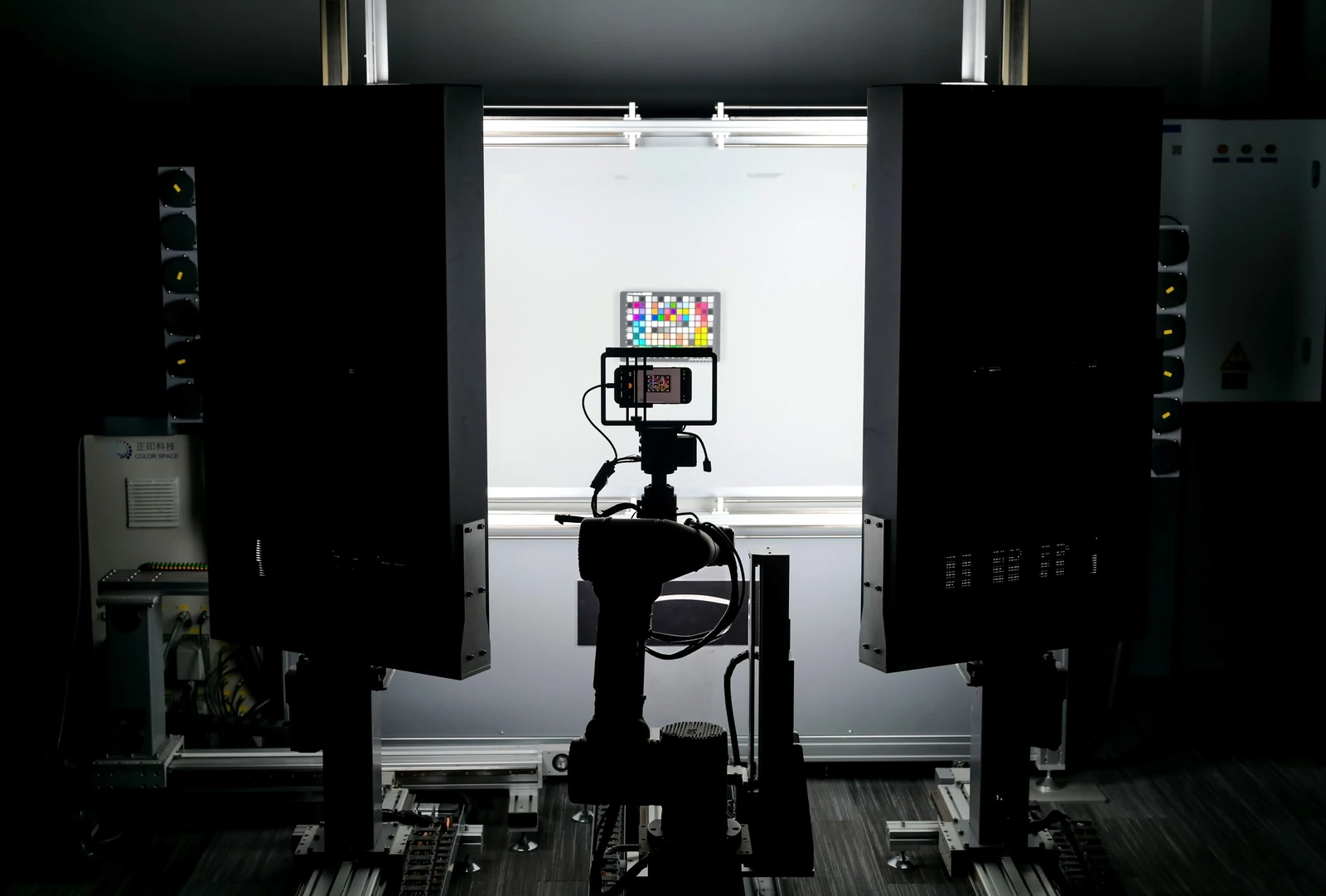
Lifelike head models with real hair and wrinkles help the engineers look for lost texture and overprocessing. Such controlled scenarios can inform image tuning, but they are not independent comparative measurements of camera quality.
What the three LUMO imaging engines do
The LUMO True Image Engine has three components. The Natural Tone Engine aims to preserve the relationship between highlights and shadows; the True Color Engine uses measurements from a 24-channel multispectral sensor; and the Hyper Pixel Engine combines information from multiple frames to resolve finer detail.
In Auto mode, OPPO describes default 26MP photos from the core rear cameras across a range extending from ultra-wide to 9.9x zoom. Full-resolution 200MP capture is available in Hasselblad Hi-Res at the native focal lengths of supported 200MP sensors. That does not mean every default photograph is saved as a 200MP file.
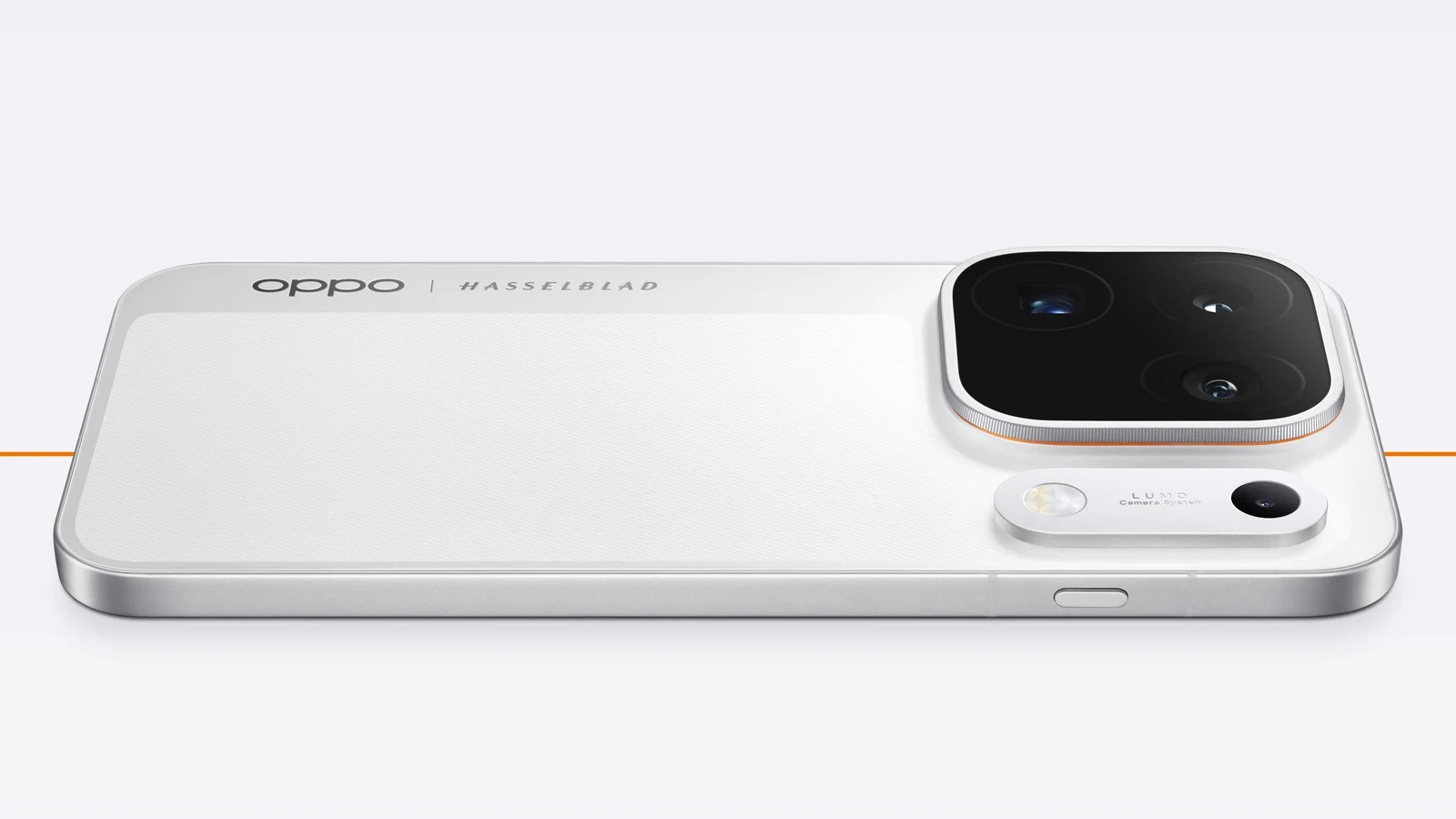
Hasselblad Master, Hi-Res and Portrait modes offer different approaches to tone, resolution and portrait rendering. OPPO’s Hasselblad collaboration began in 2022. The latest announcement adds detail about testing and calibration rather than new lens specifications.
A simulated concert and robotic camera tests
To recreate demanding shooting conditions, OPPO uses a stage that simulates concert lighting. Multi-axis robotic arms reproduce hand movements and vibrations to assess image stabilisation, while separate telephoto tests examine performance at different zoom levels.
These tests matter to filmmakers. Changing stage lights, handheld movement and switching cameras can reveal weaknesses that never appear in a stationary daytime photograph. OPPO describes its methodology but does not publish independent, comparable test results in this announcement.
From camera-inspired design to the production line
The Luna White finish borrows details from traditional cameras. CNC-engraved grooves around the camera module recall a lens focus ring, while the matte glass back has a subtle woven texture. OPPO reports more than 40 refinement rounds for the white colour and more than 10 rounds for an individual back-panel pattern.
At its Chang’an manufacturing centre in China, more than 300 automated test stations support final assembly. According to OPPO, the facility ships up to 7,200 completed Find X10 Pro Max units per day. Across its global manufacturing operations, the company reports automation of over 95% of SMT production lines and an average of 85% of final assembly lines, including automated camera-module installation and airtightness checks.
ColorOS 17 brings AI further into photo editing
ColorOS 17 introduces AI Photo Agent, which OPPO says combines its visual-language model with six specialist imaging models. It can suggest or apply edits based on natural-language instructions or visual references. AI Mind Pilot also gains an Agent Mode powered by Manus for more complex tasks involving files and photos.
For cloud processing, OPPO highlights Private Computing Cloud, developed with Google, and says it runs nine data centres across six regions. AI-feature availability may vary by region and software version.
Price and availability in Greece
The Find X10 and Find X10 Pro Max are scheduled to go on sale in Greece on November 6, 2026. Announced list prices for the 12GB/512GB versions are €1,499 and €1,799, respectively; promotional prices are subject to pre-order terms. Today’s manufacturing presentation does not change that schedule.
For official Find X10 Pro Max specifications, more information here. For Find X10, more information here.
What we think
The 140 colour samples and 40 lighting setups tell us more about OPPO’s imaging priorities than another megapixel comparison. It makes sense to evaluate skin tones, textures and HDR under varied conditions, because those are exactly the places where phone images can go wrong: brightened faces, oversaturated colours and detail that looks synthetic.
The concert stage and robotic arms may be even more relevant for handheld video. A phone can record 4K at 120fps yet still struggle with rapidly changing light, camera switching or walking shots. Those are the conditions we would want to examine in original video files, not just a polished demo.
There is also a useful distinction between colour accuracy and intelligent processing. The more decisions an algorithm makes, the more important it is to understand how much texture and light come from the scene itself. We would take a natural, repeatable result over a striking image that cannot be recreated.
Frequently asked questions
Why does a phone with 200MP cameras shoot 26MP photos by default?
The default Auto mode combines pixel and frame information to produce 26MP images under suitable conditions. Full 200MP capture is a separate Hasselblad Hi-Res option at supported native focal lengths.
Are the 140 test colours the same as the 24-channel sensor?
No. The 140 colours are reference targets used during laboratory testing. The 24 spectral channels describe the colour information gathered by the phone’s additional sensor.