Summary
- Sanxingdui: Future Past opened in Chinese cinemas on October 23, 2026.
- By October 28, it had grossed about RMB 1.37 million against a production cost exceeding RMB 10 million.
- Nearly 100 people worked for two years on the AI-generated production.
- Its difficult opening shows that technical ambition alone does not guarantee a theatrical audience.
China’s first AI-generated feature to receive a theatrical release permit has reached cinemas, but its early ticket sales are far below its reported production cost.
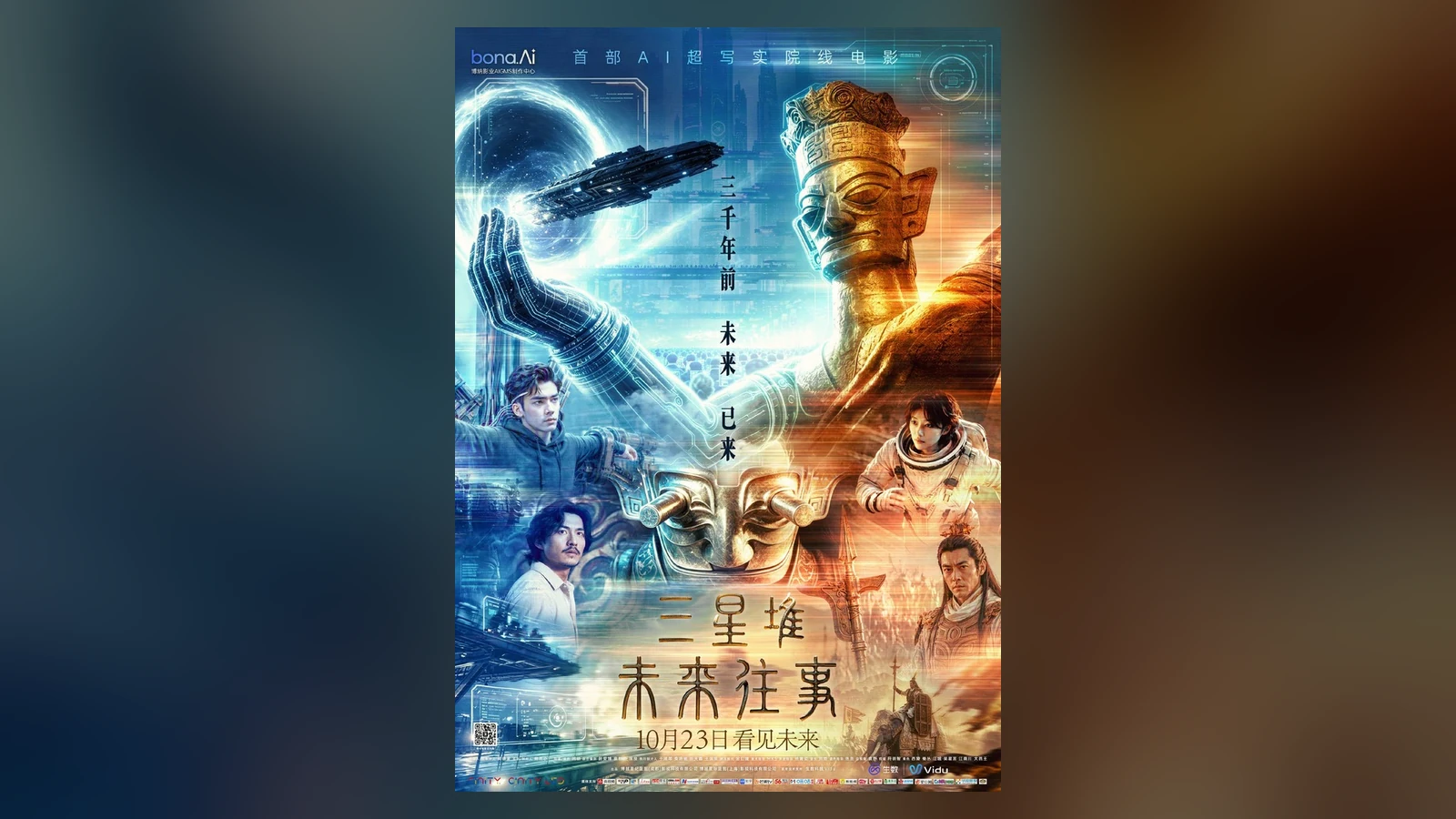
«Sanxingdui: Future Past» opened in China on October 23, 2026. According to Maoyan figures for its first six days, by the evening of October 28 it had earned around RMB 1.37 million (roughly $200,000), compared with a production budget of more than RMB 10 million. Total box-office grosses are not the same as money returned to the producer, since cinemas and distributors retain a share.
Thousands of showings were scheduled from opening day, but attendance was low. The available figures describe a difficult start, rather than a definitive financial outcome for the film’s theatrical run.
https://www.bilibili.com/video/BV12Na46iEj2/
A 3,000-year-old mystery in a world dependent on AI
The 100-minute science-fiction feature draws on the ancient Sanxingdui civilization in China’s Sichuan province. In a future where people have handed their decisions over to superintelligent AI, an archaeologist discovers that seven symbols on ancient bronze objects may hold the key to overcoming a global crisis.
There is a striking irony in the premise: a film made using artificial intelligence tells a story about the dangers of depending on that same technology too much.
AI-generated images, but a human production team
Bona Film Group produced the feature using its Boka Cloud Film Studio, with technical support from the Vidu platform. Yue Ming wrote and directed the movie, Quji Xiaojiang served as a producer, and Jiang Defu was producer-in-chief.
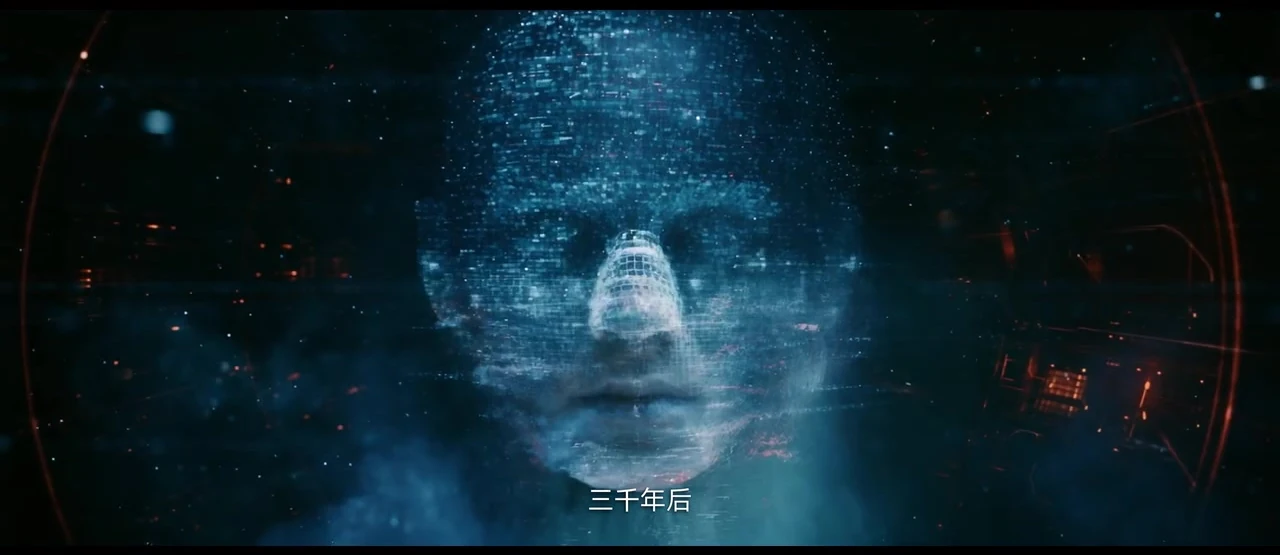
According to the company, nearly 100 people worked for more than two years, generating over 1.2 million source images and revising the complete feature more than 100 times. The characters are original digital creations rather than digital replicas of real actors. AI was used to generate images and scenes, while the script, directorial approach, shot selection and final aesthetic decisions remained in human hands.
Making a film is not the same as selling cinema tickets
This production shows that a large team can now complete a 100-minute feature without conventional on-set filming or physical performers appearing on screen. That does not automatically bring people to cinemas. The distinction is also relevant to the hybrid AI production «Merry the Christmas Witch», where production cost was a major part of the discussion.
In the United States, the AI film «Gods Don’t Give Gifts» is also scheduled for a theatrical release on October 30. These different productions face a similar question: will people commit to and pay for a feature-length story once the initial novelty of the technology has faded?
What we think
There is no reason to celebrate an AI movie struggling. What makes «Sanxingdui» useful to discuss is that it has everything expected from a striking technology demo: ancient artifacts, outer-space imagery, digital characters and a bold production claim. At the box office, though, people are buying a ticket for 100 minutes of cinema, not a software demonstration.
Anyone who works with moving images knows how difficult it is to maintain the same face, the same sense of space and a scene’s rhythm across consecutive shots. Being able to generate thousands of frames does not solve those problems by itself. Editing, performances, sound and dramatic structure still require very specific decisions.
It is just as important not to describe RMB 1.37 million as the company’s final financial loss. The film is still screening, other distribution opportunities may exist, and the production budget is not the entire economic picture. What the opening does make clear is that reducing the cost of production does not automatically create demand.