Summary
- Merry the Christmas Witch was completed for a reported $1.5 million.
- The $80 million figure was an estimate for a conventional production.
- About 50 people worked for ten months across AI and traditional film workflows.
- Final character voices were synthetically generated.
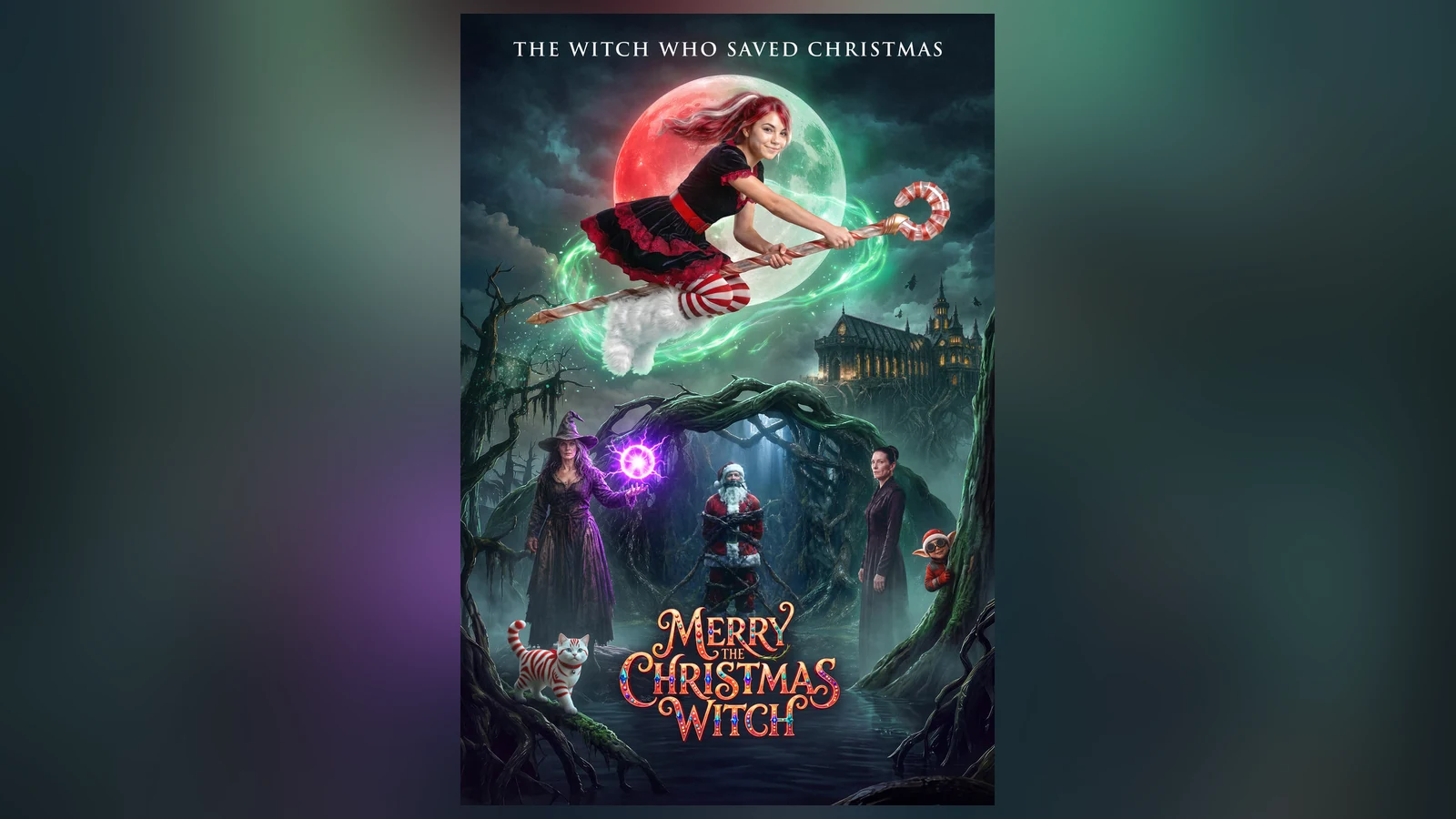
A fantasy Christmas feature made for $1.5 million instead of the $80 million its director had initially estimated: Merry the Christmas Witch puts generative AI at the heart of a debate that matters to filmmakers everywhere.
Tom Walsh, founder of TW3 Entertainment, has completed the two-hour movie in collaboration with Phatty Acid. The $80 million figure is his estimate for a conventional live-action version, not the verified budget of a second production.
From a children’s book to an entire digital world
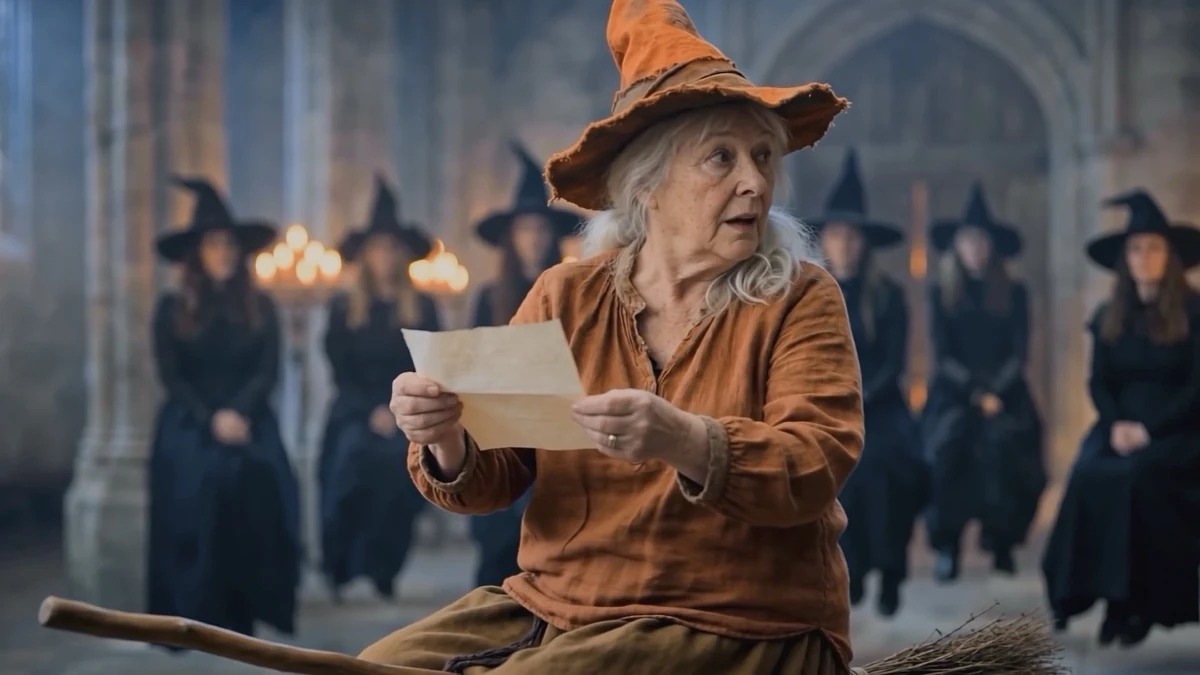
The story is based on Bobbi Hess’s 2012 children’s book. Merry is the first witch born on Christmas Day in a Louisiana coven. When evil witches capture Santa Claus, she must return to save him and prevent Christmas from being destroyed.
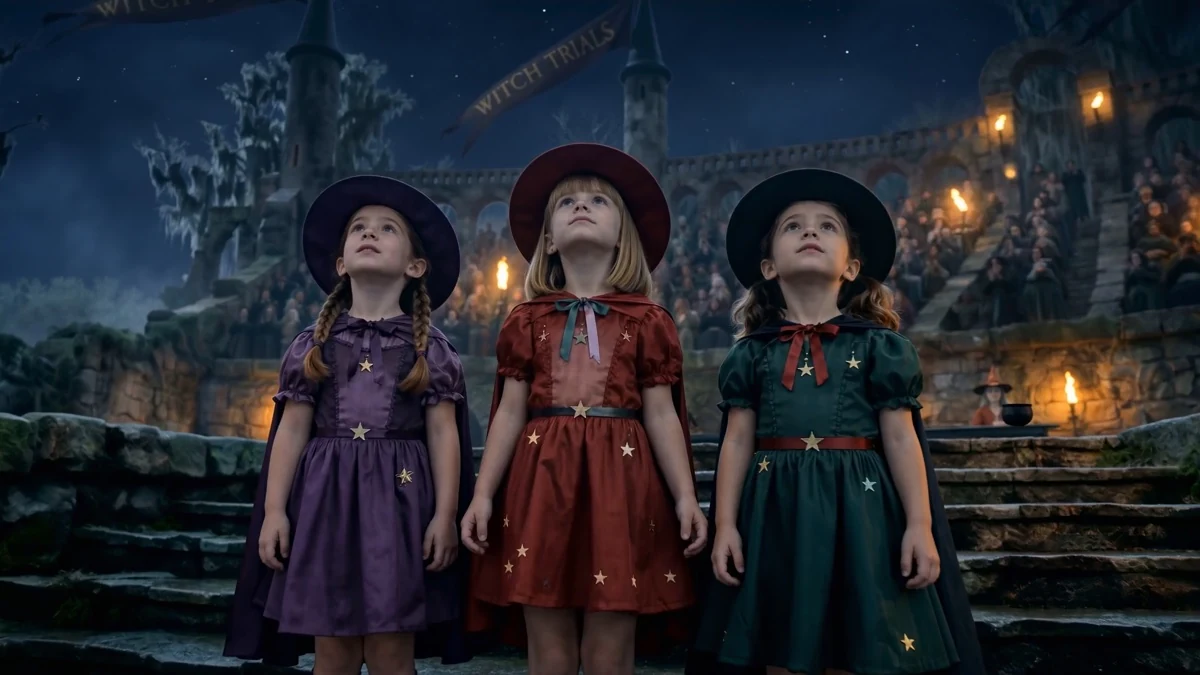
A conventional version of this world of witches, fantastic creatures, flying brooms and elaborate environments would demand extensive sets, shooting and visual effects. Walsh estimated a budget of around $80 million, a difficult proposition for an unfamiliar property.
How it was made: 50 people, ten months and AI tools
Roughly 50 people worked on the film over ten months. TW3 describes a hybrid workflow: human actors performed scenes and recorded dialogue to guide digital characters, an artist drew storyboards, and professionals handled editing, grading, music, sound design and Foley.
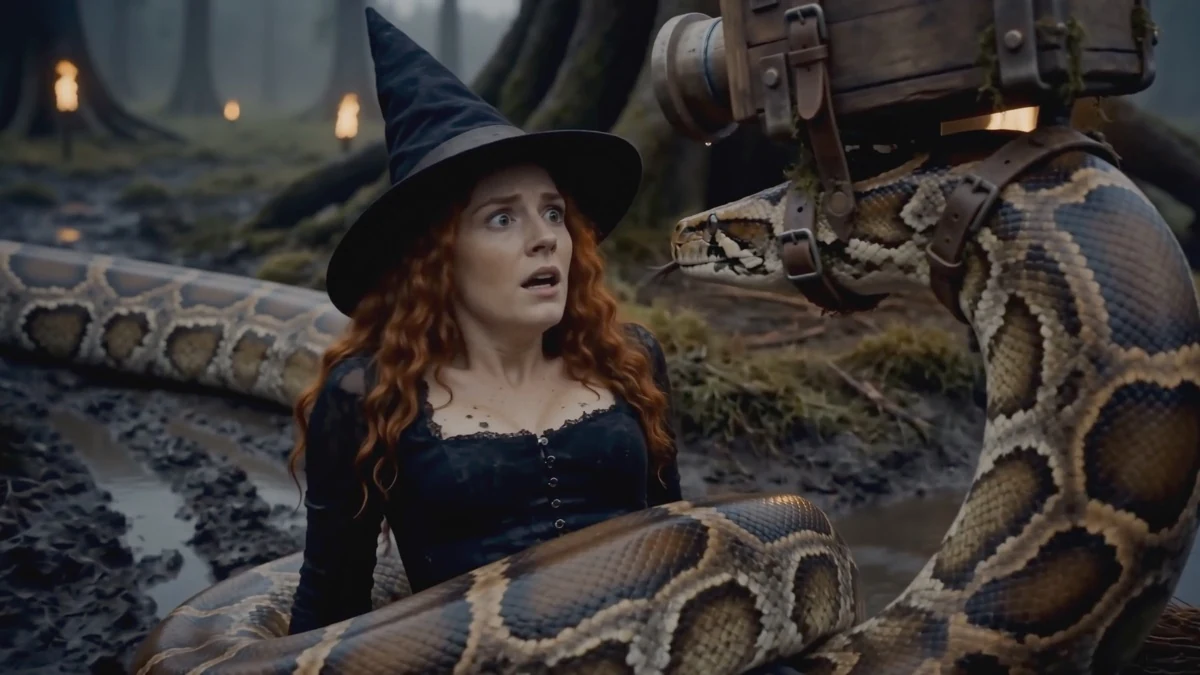
The visual generation workflow reportedly included Seedance and Nano Banana, while ElevenLabs was used for voices. Due to synchronization difficulties, the actors’ original recordings were replaced with synthetic voices. That is a significant creative and labor decision: performances were used as reference, but the final voices were not the actors’ recorded voices.
Walsh argues that experienced production professionals remained essential. Generating a shot is different from directing its length, continuity, timing, visual consistency and sound across an entire feature.
Human post-production remained essential
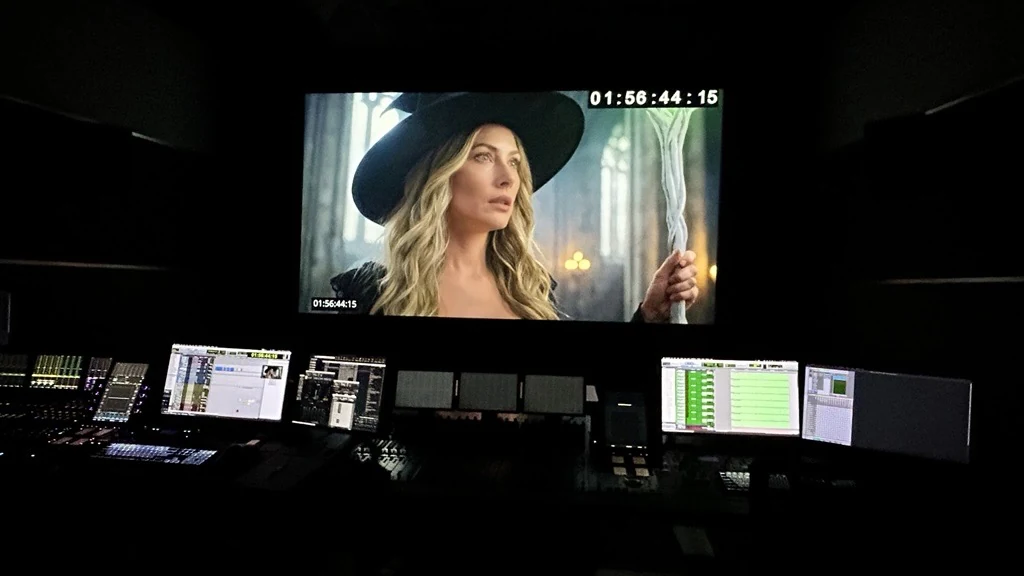
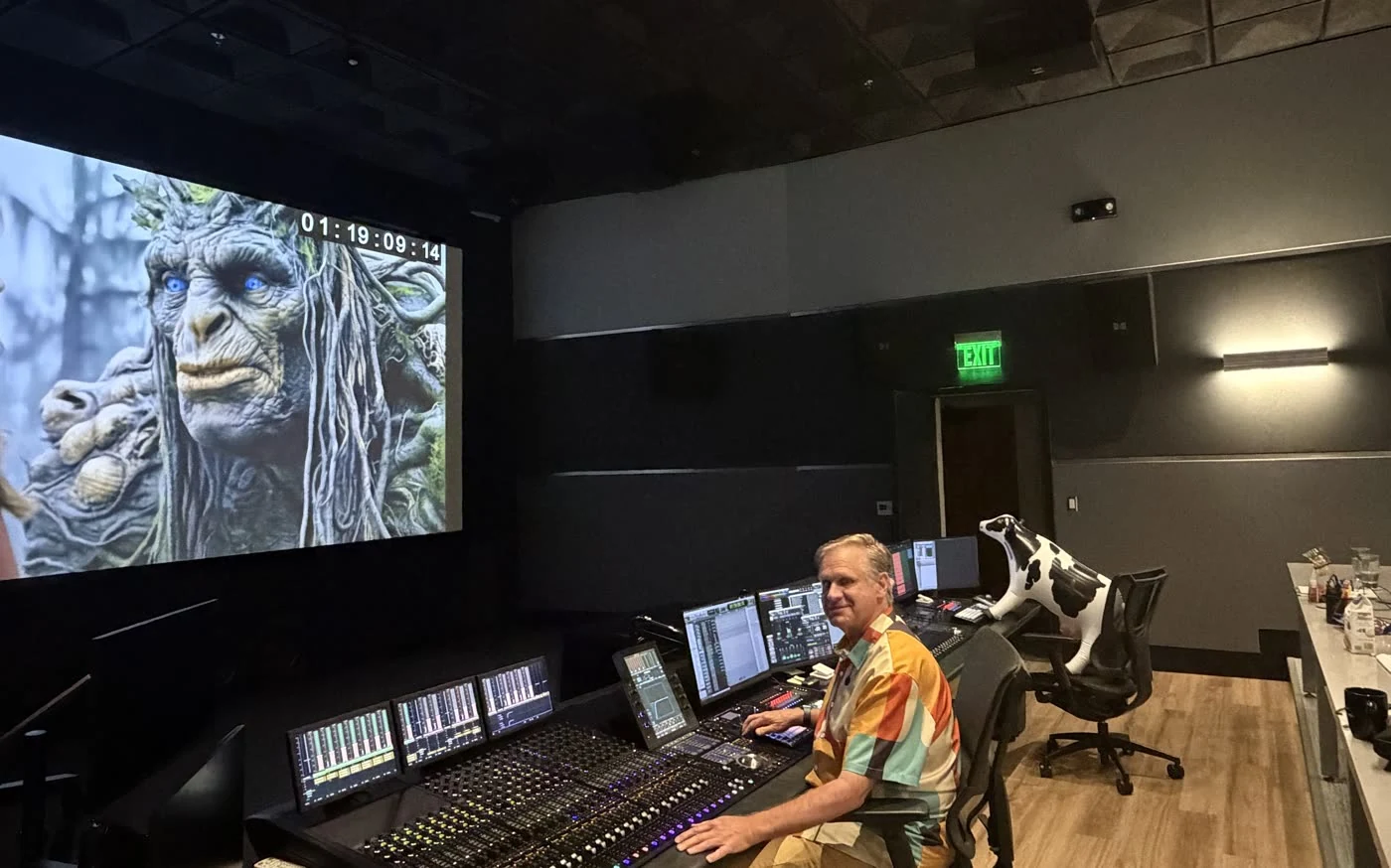
TW3’s dub-stage photographs show real finishing facilities with mixing consoles and shots from the film on monitors. A composer wrote and orchestrated the score, and the feature went through conventional picture and sound finishing. Lower-cost image generation does not remove all the work needed to deliver a complete movie.
What this means for filmmaking
The film arrives as established producers also adopt AI in selected workflows. Netflix has disclosed generative AI use across roughly 300 productions in 2026, mostly during post-production, while Brad Pitt has discussed its potential for mid-budget films alongside concerns about digitally replacing performers.
The financial case is compelling for independent directors without major studio backing. But $1.5 million and a hypothetical $80 million are not a controlled comparison between two equivalent finished productions. Completing a film also says little about its eventual audience or distribution economics.
The consequences extend to jobs behind the camera. At the Toronto International Film Festival, filmmakers discussed the importance of keeping human creative control as the industry explores less expensive production methods.
When will it be released?
TW3 lists the approximately two-hour feature as completed. There is no confirmed release date or distributor, and the official page still says a trailer is coming soon. The studio has already begun another AI-assisted feature, Losopolis.
What we think
What makes Merry the Christmas Witch interesting is the possibility of building a fantasy world that its director could not finance through his original production plan. For smaller filmmaking teams, that is a meaningful creative opportunity rather than merely a faster finishing tool.
Yet replacing actors’ recorded voices with synthetic ones is hardly an insignificant technical fix. It changes how performances are used and raises practical questions about contracts, payment and creative credit. Those choices should be transparent to the people contributing their work.
There is also an artistic test: spending less or more does not automatically make a film good. Consistency between shots, convincing characters and storytelling across two hours matter more than the headline figure.
Frequently asked questions
Did the film actually cost $80 million without AI?
No. The $80 million figure is Tom Walsh’s estimate for a hypothetical conventional production. The reported AI-assisted budget is $1.5 million.
Was it made entirely without people?
No. Approximately 50 professionals contributed over ten months, including performances, storyboards, editing, music and sound.
Can audiences watch it yet?
The film is completed but no release date or distributor has been announced.