

Summary
- At TIFF’s Future in Focus, creators and producers discussed hopes and fears around AI.
- Variety’s Matt Donnelly described a near “rebellion against AI,” pointing to handcrafted human stories.
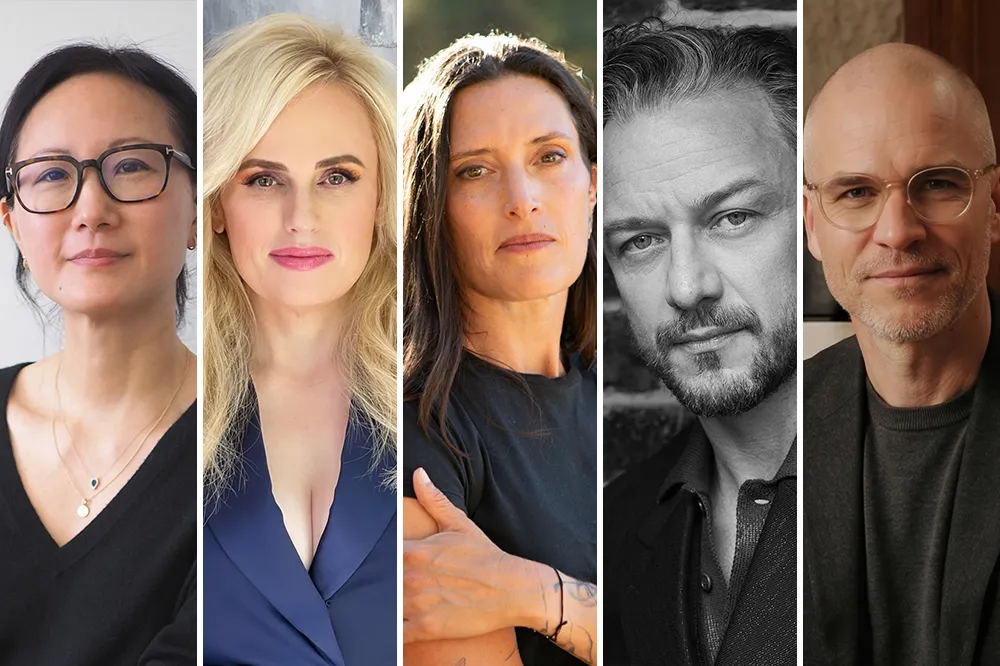
- Rachel Morrison, Liz Garbus, Rebel Wilson, Stephanie Ahn, Carsten Kurpanek and Basil Iwanyk kept human creative control at the center.
At this year’s Toronto International Film Festival, the conversation around artificial intelligence was not only about what technology can do, but also about what cinema should not lose: the human element.
At Variety’s Future in Focus panel, presented by Utopai Studios at TIFF, creators including Rebel Wilson, Liz Garbus and Rachel Morrison appeared within the same broader discussion as production executives examining how AI is changing filmmaking.
The discussion did not settle into a simple pro- or anti-AI position. While AI was presented as a possible way to make production faster and less expensive, the festival itself also appeared to be highlighting handcrafted stories, human connection and personal creative vision.
AI as a tool, not the creator
The panel included Rebel Wilson, writer-director Stephanie Ahn, Liz Garbus, producer Basil Iwanyk and Utopai Studios’ Carsten Kurpanek. Their discussion focused on how emerging technologies can enter production without moving creative control away from people.
Wilson and Ahn discussed AI’s potential to reduce costs, while Kurpanek stressed that human creativity should remain at the front of the process and actors should continue to drive performance. Ahn described AI as something an independent filmmaker can use without removing the humanity from the stories being told.
That is the central distinction: technology may support workflow, speed and affordability, but the speakers did not frame it as a replacement for actors, writers or directors.
A “rebellion” inside TIFF
The most striking observation came from Variety’s Matt Donnelly, who noted that films on this year’s festival circuit were leaning toward human connection and handcrafted art. He described it as “almost like a rebellion against AI.”
The report highlighted films including The Life and Deaths of Wilson Shedd, Bucking Fastard, Prima Facie and Girl Group. They do not form a single anti-AI movement; rather, they reflect a broader emphasis on people, performance and carefully built stories. Donnelly also singled out The Julia Set, starring Chase Infiniti, as an unexpected standout and a potential major festival sale.
The apparent contradiction is only superficial. TIFF is not presented as rejecting technology; the festival is hosting discussions about its possibilities. At the same time, the work drawing attention remains rooted in elements that are difficult to automate: lived experience, performance, choice, rhythm and human observation.
The economic argument for AI
Utopai Studios, which presented Future in Focus, announced the event as a discussion about how innovation is reshaping both the art and craft of filmmaking. The company’s stated position is that new production methods can give artists more ways to realize ambitious ideas while keeping creative vision at the center.
For independent production, cost is a serious factor. Tools that reduce time or expense can make projects possible that otherwise might not move forward. The key question raised by the discussion is where assistance ends and replacement of human work begins.
Rachel Morrison on creativity and barriers for women
Rachel Morrison, the Oscar-nominated cinematographer and director, returned to TIFF with her second feature as a director, Love of Your Life. She discussed how the story’s themes of loss, grief and transformation became personally resonant, and how she wanted to avoid a sanitized treatment of those emotions.
Morrison also addressed the barriers women still face when moving into larger-budget productions. She was the first woman nominated for the Academy Award for Best Cinematography, and noted that while 35% of films at this year’s TIFF were directed or co-directed by women, progress toward parity remains slow.
The theatrical experience matters too
The panel also celebrated recent box-office successes and younger audiences returning to theaters. Liz Garbus emphasized the communal experience of people gathering, laughing and sharing a film together, while Basil Iwanyk argued that once AI becomes a normalized and useful tool—especially for younger filmmakers—it could expand what they are able to imagine and create.
James McAvoy moves behind the camera
Future in Focus also featured a separate conversation with James McAvoy about his work as a director and producer on California Schemin’, as well as his evolving perspective on storytelling. McAvoy also appeared at TIFF as the star of Faith.
What we think
The most meaningful part of the TIFF discussion is not that cinema has “defeated” or rejected AI. It is that a clearer line is starting to emerge: technology can support production, while human intent, performance and storytelling remain the foundation. For filmmakers and image-makers, that distinction is likely to become increasingly important.
Frequently asked questions
Did TIFF officially take a position against AI?
No. The “rebellion” wording was Matt Donnelly’s observation about a trend toward human-centered and handcrafted stories, not an official TIFF position.
Did the filmmakers on the panel reject AI?
No. The discussion included positive uses of AI for cost reduction and production support, with an emphasis on keeping humans in creative control.
Who took part in the discussion?
Future in Focus included Rebel Wilson, Liz Garbus, Stephanie Ahn, Carsten Kurpanek and Basil Iwanyk, while Rachel Morrison also appeared in a separate conversation at the same event.
What is the main takeaway for creators?
AI is increasingly being discussed as a workflow and production tool, while human creativity, performance and personal perspective remain central to filmmaking.