Summary
- SpY presented PANOPTICON in Madrid from 20 to 24 October 2026.
- The black triangular installation measured approximately 20 metres along each side.
- Visitors viewed CCTV footage through small openings and screens.
- The artwork explored surveillance and privacy.
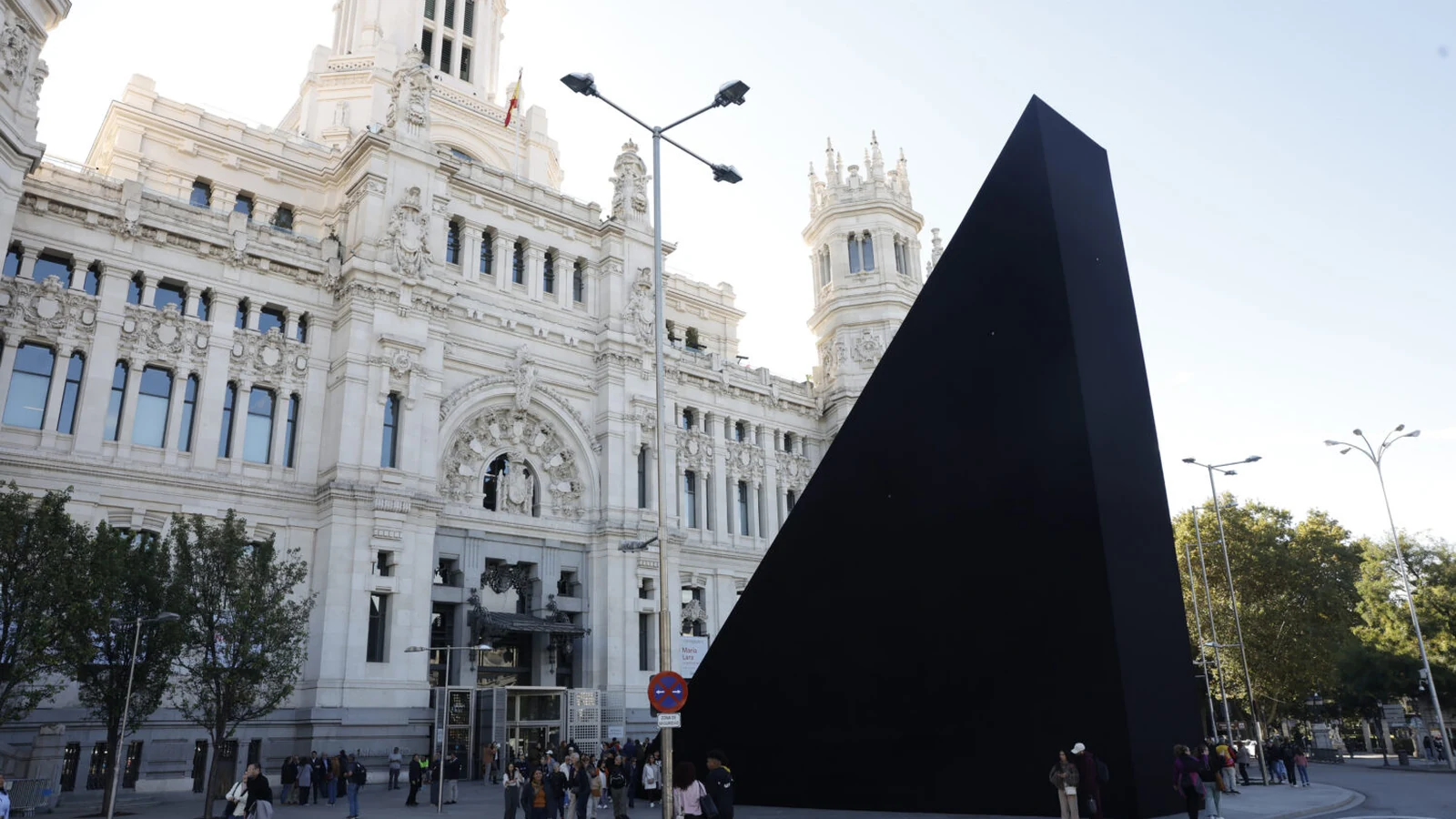
A giant black triangle in Madrid concealed cameras and screens, inviting passersby to look at the city while questioning who is watching whom.
Spanish artist SpY presented PANOPTICON in Plaza de Cibeles, in front of the Palacio de Cibeles, as part of the municipal Madrid es Paisaje 2026 programme. The temporary installation was open to the public free of charge from 20 to 24 October 2026.
A black triangle reshaping the cityscape
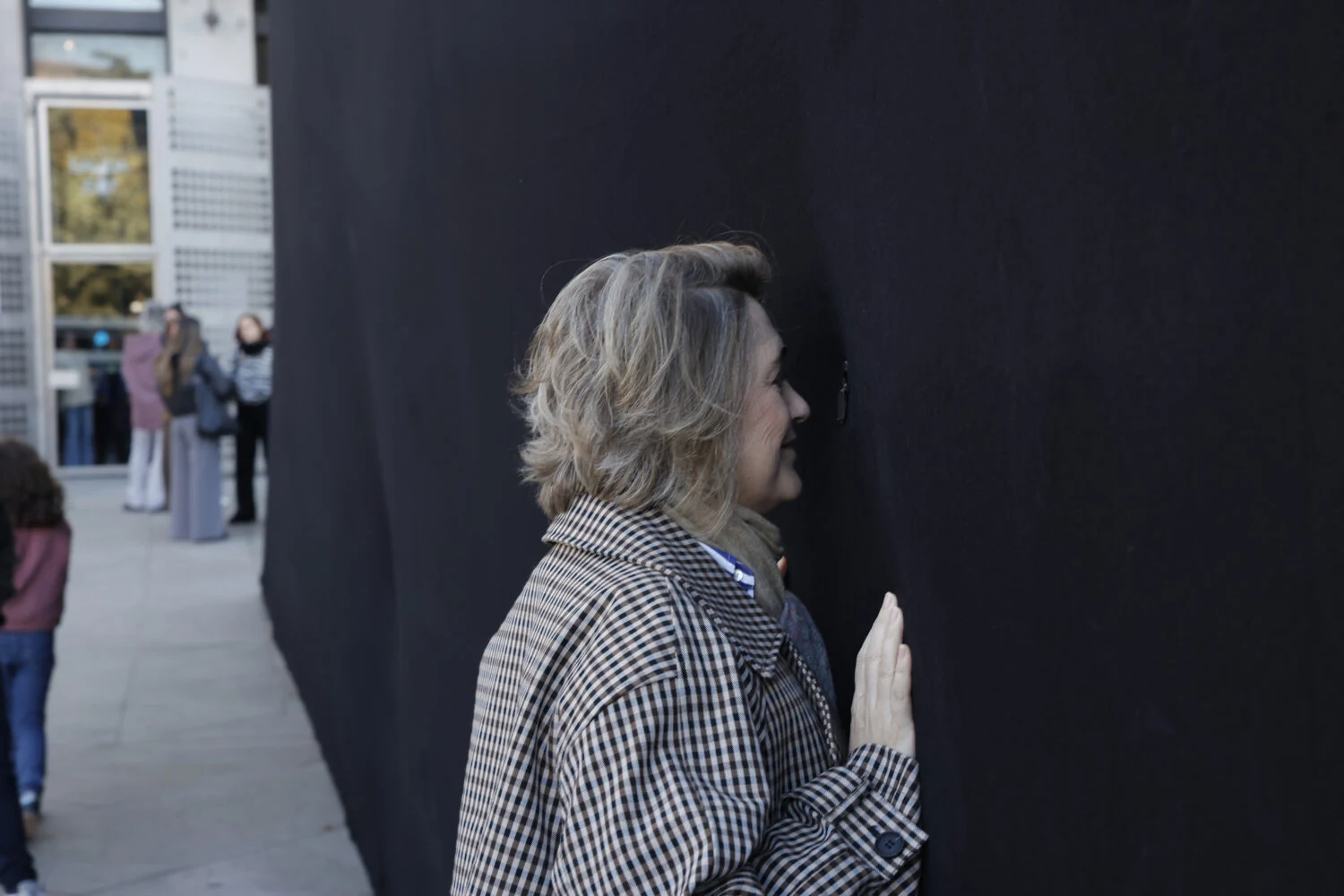
Measuring approximately 20 metres along each side, the structure’s stark geometry contrasted sharply with the historic building’s ornate architecture. From a distance, it appeared to be a solid, impenetrable mass. Up close, small openings at different heights came into view.
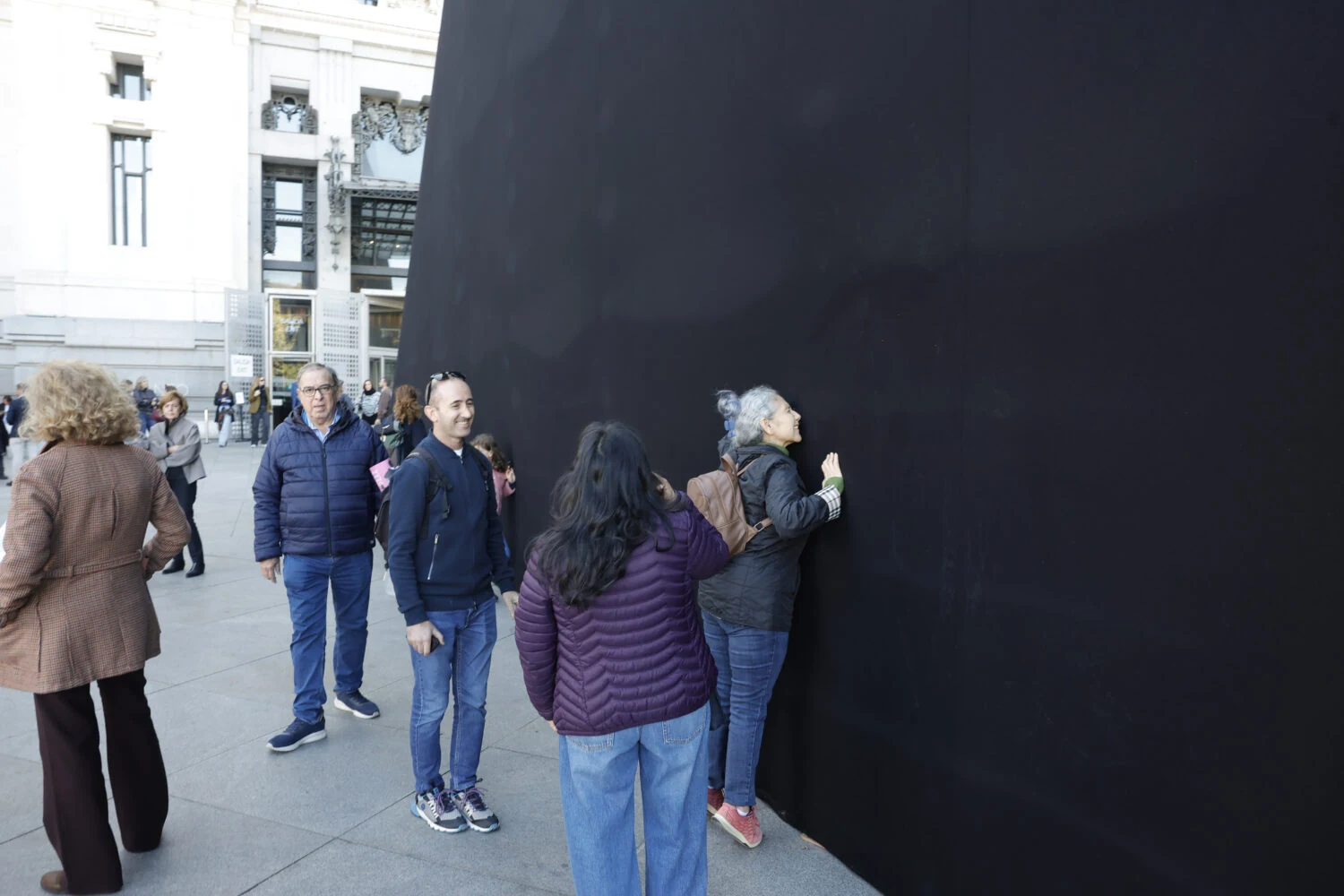
Visitors could approach these openings and look into small screens displaying images from closed-circuit television (CCTV) cameras mounted at the top. The square, pedestrians, traffic and buildings appeared from viewpoints unlike those available to someone walking across the plaza.
When the viewer becomes part of the surveillance system
The title refers to the panopticon, a model of surveillance in which the possibility of being watched can affect someone’s behaviour even when the observer is unseen. SpY brings this idea into today’s public space, where cameras, screens and recording devices have become ordinary parts of life.
The twist is that anyone who steps up to observe others is also participating in the very mechanism the artwork questions. Looking is no longer a simple, one-way act.
Photography, privacy and the right to look
For photographers and filmmakers, PANOPTICON touches on an everyday decision: whom do we include in our frame, and what does recording mean for people who cannot control their image? It echoes the debate about recording indicators on camera-equipped smart glasses, where making recording visible matters.
Another aspect is the boundary between capturing an image and publishing it. The debate about 3D aerial imagery of private property on Google Earth highlights why a camera’s technical capability and the appropriateness of making its images public are different questions.
What we think
What makes PANOPTICON effective is that it does not need a lengthy explanation of surveillance theory. It asks you to walk up to a wall, look through an opening and realise that the act of observing has changed.
For those of us who work with images, an unusual camera angle can be irresistible. A camera high above a square can turn an ordinary scene into something visually compelling. But the people in the frame are more than compositional elements. That is the uncomfortable question the installation leaves behind.
We also appreciate that the work uses actual cameras and screens rather than merely representing them as symbols. Technology is part of the experience, while the black silhouette against the white Palacio de Cibeles makes the city itself part of the conversation.