Summary
- Canon is considering price increases from 2027 if memory costs stay elevated.
- Demand for AI infrastructure is putting pressure on the market for electronic components.
- The company has not identified affected camera models or markets.
- Photographers now have another cost factor to watch before future equipment purchases.
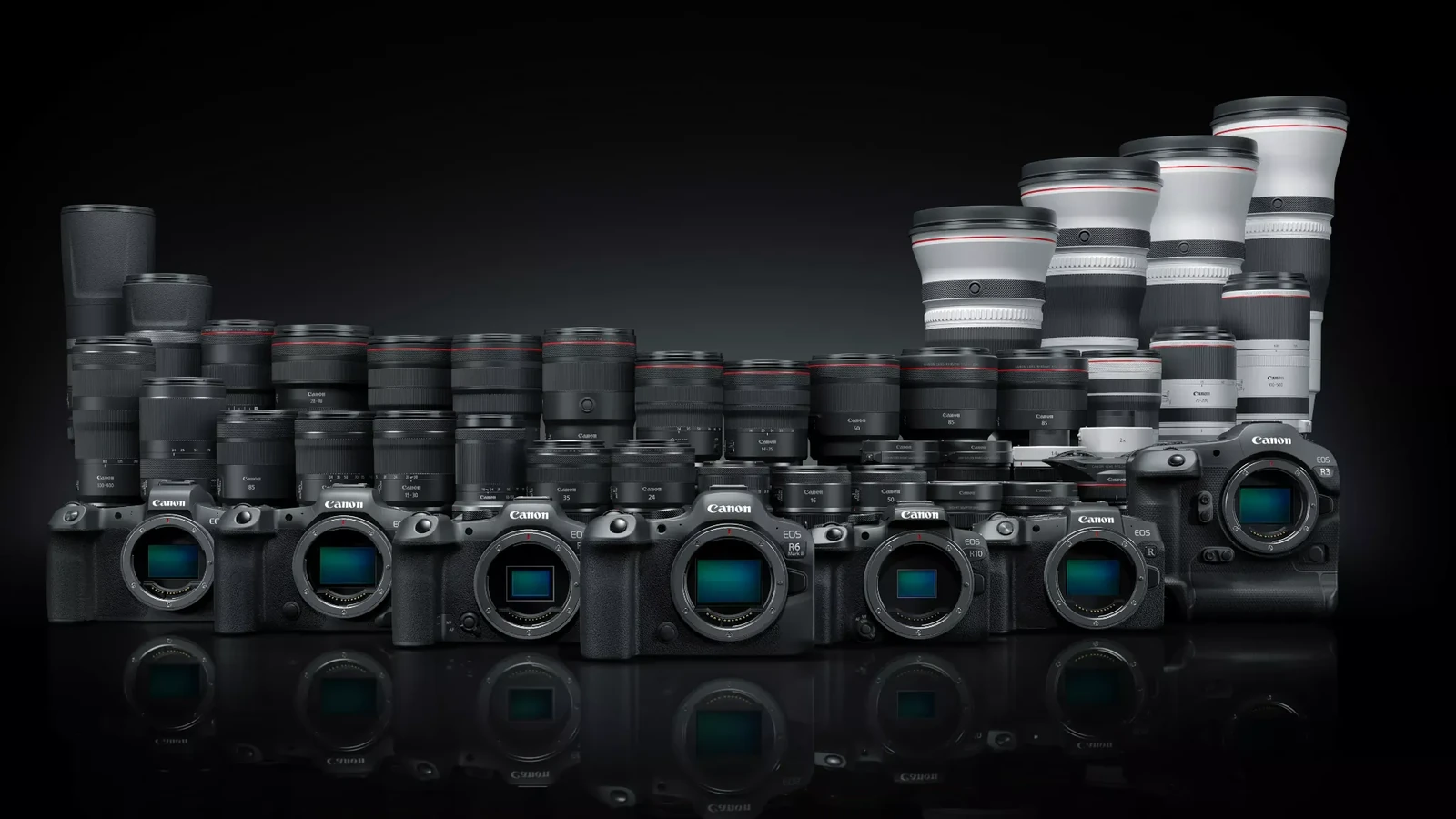
Artificial intelligence could make our next camera more expensive: Canon is warning of potential price rises in 2027 if memory costs remain elevated.
In its October 27, 2026 financial briefing and investor Q&A, the company described growing difficulties and higher costs in securing components for next year. This is not a new price list, and Canon has not announced a specific percentage increase.
What Canon told investors about 2027 pricing
Canon is working to secure enough components for 2027, even if that means paying more to source them. Its stated policy is to offset higher procurement costs through price adjustments from next year onward, while also taking account of the potential effect on sales volumes.
The company secured substantial memory supplies in advance for 2026, helping contain the immediate impact. Canon has also acknowledged making certain pricing adjustments already in response to rising materials costs. It has not specified a date, camera model, market or percentage for any further camera-price increases.
How AI demand affects the memory inside a camera
Massive investment in AI data centers is increasing demand for memory and other electronic components. That creates pressure on supply and prices for manufacturers across many different industries, including camera makers.
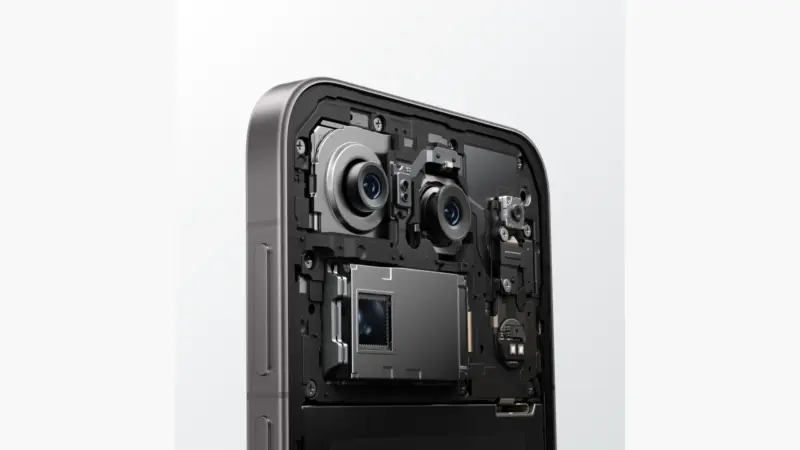
Modern mirrorless cameras need fast internal memory to process images and support high-speed shooting buffers, separately from the SD or CFexpress card inserted by the photographer. The cost issue therefore extends beyond separately purchased storage media to components built into the camera body.
The pressure is already visible elsewhere in the imaging industry: Blackmagic announced price increases across 36 products, citing memory costs and AI demand, although cinema cameras were not included in that particular list.
What it means for photographers planning a purchase
Canon has also flagged shortages of electronic components that are limiting compact-camera production. That does not mean every camera will become more expensive, but it highlights how component pressures affect both manufacturing capacity and cost.
New cameras had already become more expensive for structural reasons, including a smaller market and the shift toward more complex models. Rising hardware costs associated with the AI boom now add another pressure, without yet allowing a reliable estimate of what a buyer in Greece might ultimately pay.
What we think
This is one of the stranger consequences of the AI boom for photographers: we might pay more for a camera body even if we have no interest in using any AI feature at all. Camera makers share a component supply chain with many other industries, and they are not driving the biggest part of current demand.
We would not rush anyone into buying gear purely out of fear of future increases. But if a camera purchase is already planned, it makes sense to track real prices, stock availability and offers rather than assuming the next model will cost the same as today’s.
Camera makers should also avoid simply passing every extra cost straight to photographers. Entry-level systems are especially sensitive to price: even a modest increase can make it harder for new creators to get started.
Frequently asked questions
Has Canon announced new camera prices for Greece?
No. Canon has discussed potential increases from 2027 if high memory costs persist. It has not announced a corresponding Greek price list or an increase percentage.
Is this only about memory cards?
No. Canon is discussing costs for memory components and electronic circuitry used inside devices. Memory cards are separate products, although they can also be affected by wider memory-market conditions.