Summary
- Robert Landsburg photographed the Mount Saint Helens eruption on May 18, 1980.
- He shielded his camera and film with his body but lost his life.
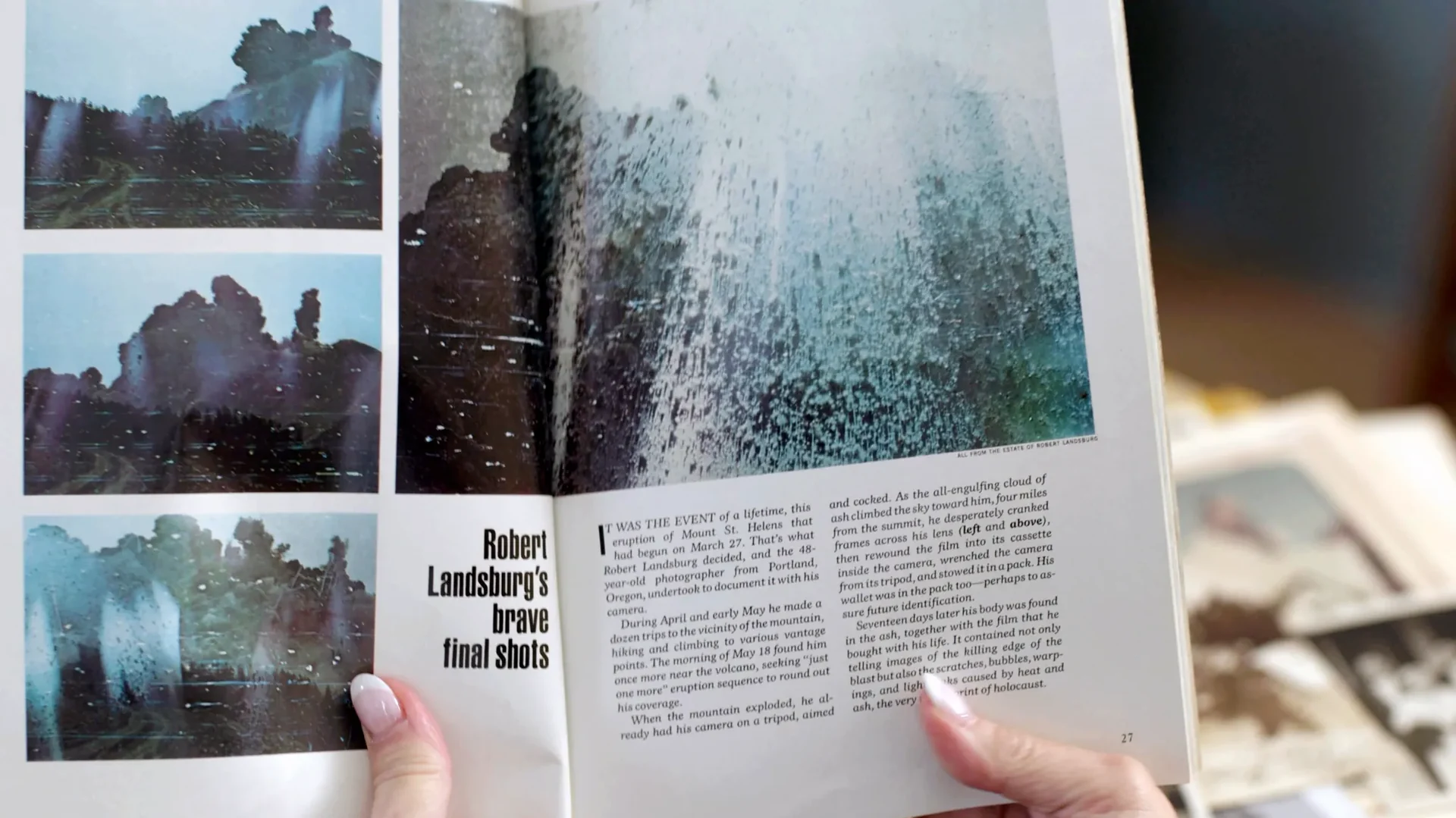
- His four surviving images appeared in National Geographic in 1981.
- A new documentary explores his life through family testimony and personal journals.
Robert Landsburg photographed the 1980 eruption of Mount St. Helens, captured four final frames and died shielding his film; a new documentary now looks for the person behind those images.
On May 18, 1980, at 8:32 a.m., Mount St. Helens in Washington state erupted in a catastrophic lateral blast. The Portland-based nature photographer had been visiting the area for weeks to document a volcano in the process of awakening. This would be his final assignment.
Marq Evans’s short documentary in production, “8:32 AM: The Last Photographs of Robert Landsburg,” revisits what happened but also seeks to tell the story before those final minutes: the photographer’s life, work and personal journals.
Four photographs before the ash arrived
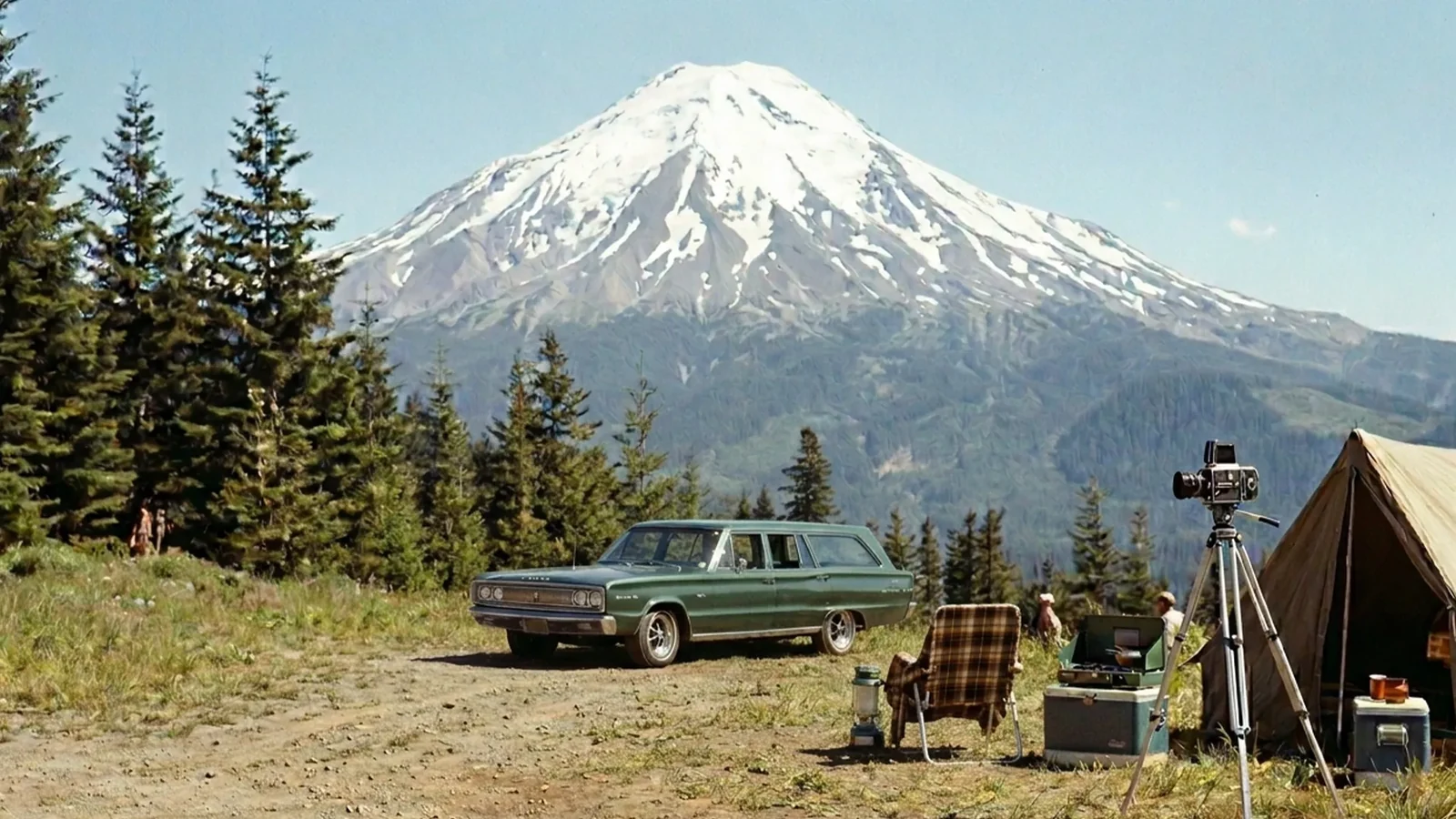
In spring 1980, Landsburg made repeated trips to Mount St. Helens, photographing changes throughout March and April. He had set up camp near the south fork of the Toutle River in an area where he was legally permitted to be. The main eruption’s lateral direction suddenly placed him in the path of the destructive cloud.
According to the production, he managed to take four frames. He then rewound his film, removed the camera from its tripod, placed it in his bag and used his body to shield it. It was a final, methodical attempt to preserve the photographs when he could no longer escape.
His camera was a Nikon F2 Photomic loaded with Kodak Kodachrome 64 color film. Seventeen days later, recovery teams found Landsburg with the camera bag underneath his body. The film had survived, and all four images were published in the January 1981 issue of National Geographic, fulfilling a longstanding professional ambition after his death.
The new documentary brings in his family
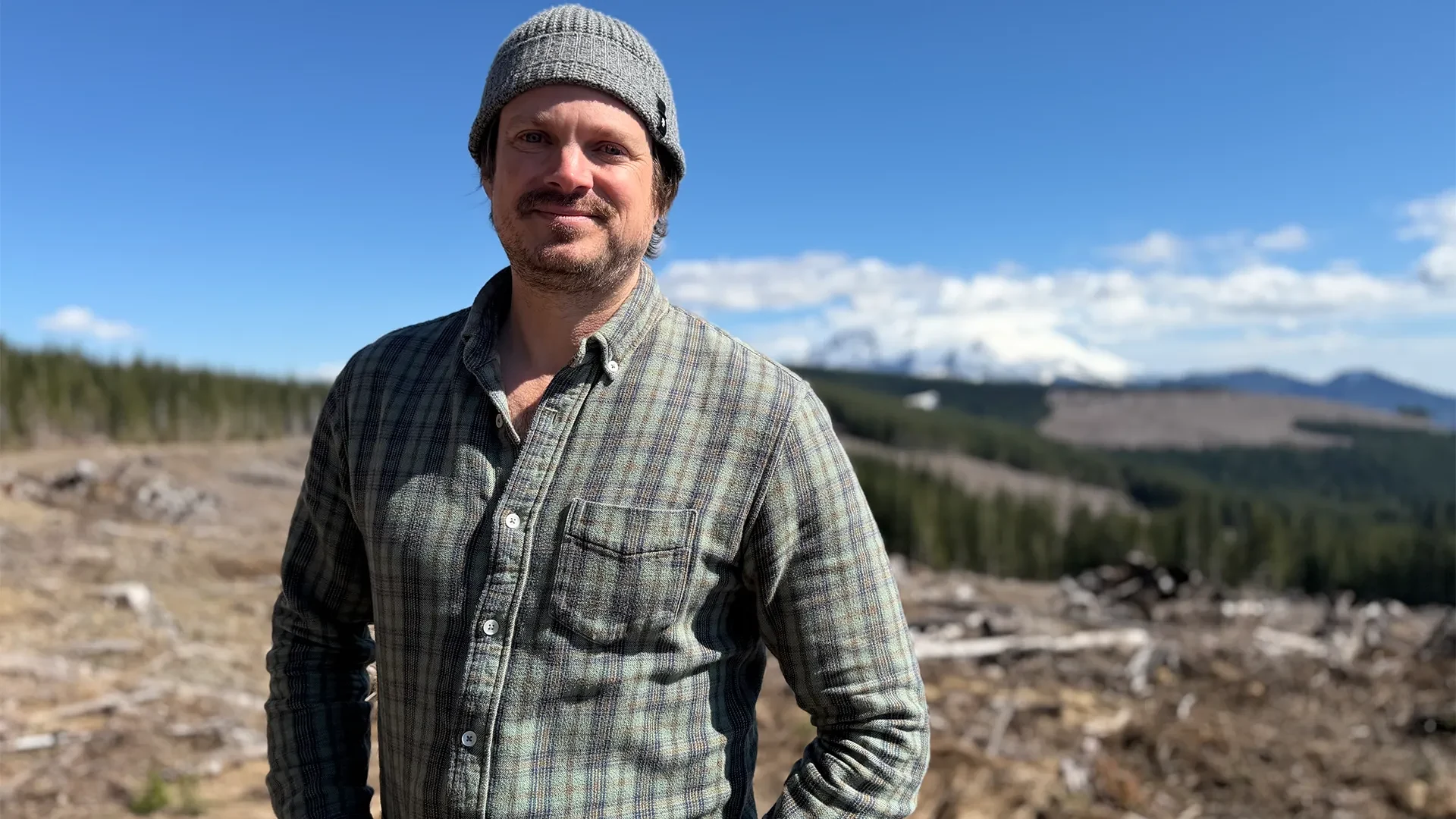
Evans found that almost everything written about Landsburg centered on the same account of his last moments. He traced relatives and eventually reached the photographer’s niece, Jill Dutchess. His family, which had avoided discussing the painful event on camera, is now collaborating with the production.
The film draws on the surviving camera, Landsburg’s journals and archive, and testimony from people connected to his life or story. Re-creation sequences filmed on analog motion-picture film at the mountain connect his personal notes with the landscape and the unfolding disaster.
Short promotional versions have been released, but the full documentary has not. Production company The McCaw lists 2027 as its estimated release year, with no specific date or screening platform announced. Further details are available on the official documentary page.
Photographs, memory and risk
Landsburg’s story belongs among cases in which a photographer never returned from the field. The circumstances differ, but losses among those documenting real events have left a deep mark on photographic history; one distinct example is Gerda Taro, who died while covering the Spanish Civil War.
Landsburg’s final photographs also have historical value: they record the advancing cloud from the photographer’s own vantage point. The documentary aims to move beyond the dramatic ending and explore what he photographed, what he wrote, and who he was before the morning of May 18.
What we think
It is hard to look at these four frames without thinking about the actions that preserved them: rewinding film, gathering the camera and covering it. At a time when a ruined roll meant the photographs could be lost forever, the physical survival of that film was essential for these images to exist as a documentary record.
But a fatal risk should not be treated as a standard of professional dedication to admire or imitate. Landsburg believed he had chosen a safe location. For anyone photographing severe weather, wildfires or volcanic activity, the more useful lesson is that field knowledge, a safe distance and an escape plan matter more than any frame.
Where the film can add something genuinely valuable is in its human portrait. We know how four photographs survived; we know far less about the man who made them. His family’s participation and his journals offer a chance to understand him as a photographer with a whole life and body of work, rather than only through his final moments.