

Summary
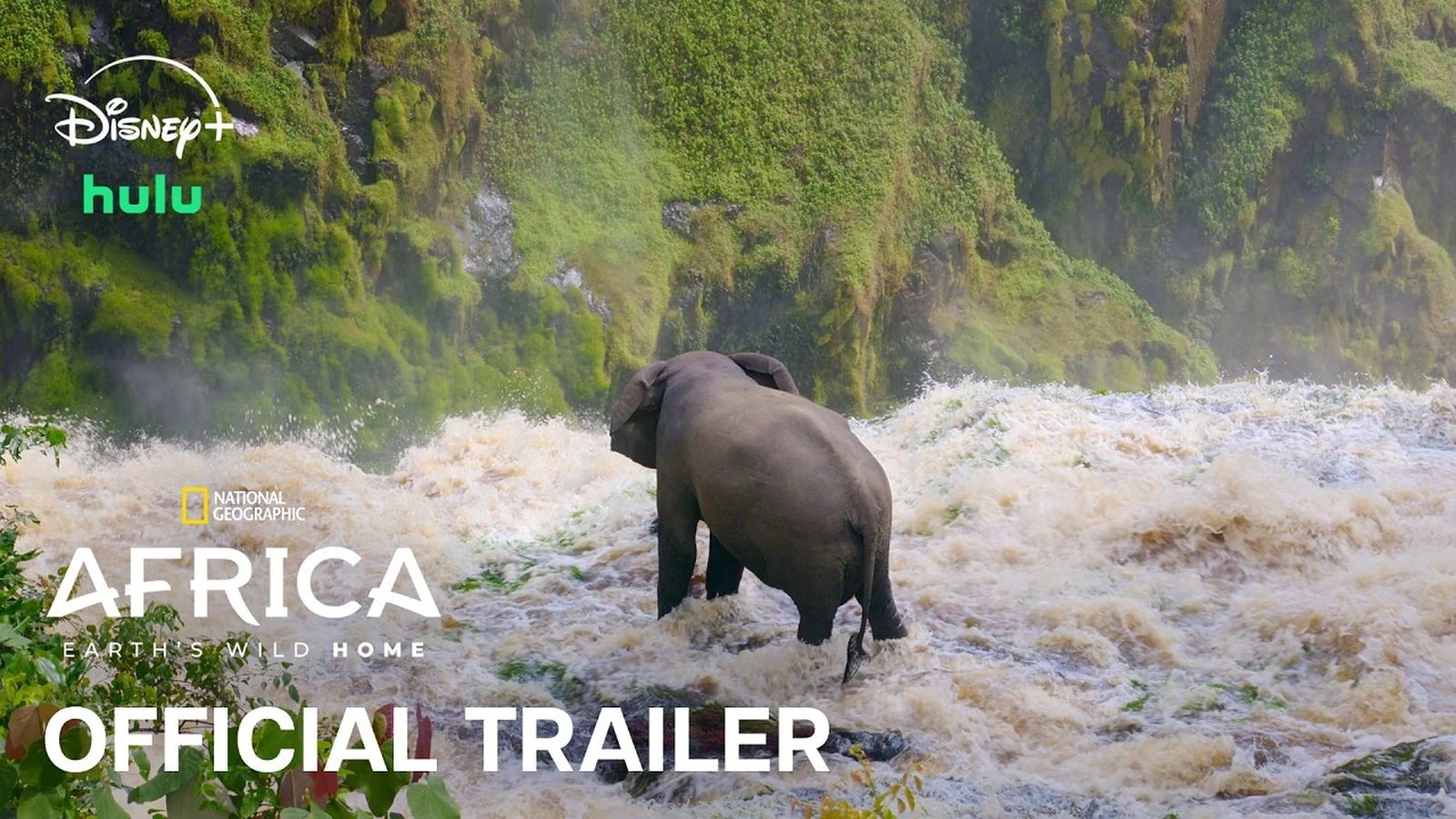
- Africa: Earth's Wild Home is a new seven-part natural-history series from National Geographic.
- The production exceeded 300 filming days across 33 countries and included more than 100 expeditions.
- Crews used drones, macro probe lenses, low-light cameras, night vision and specialized underwater rigs depending on the behavior they needed to capture.
- The series presents six sequences as world firsts while focusing on both wildlife and the people working to protect it.
National Geographic’s “Africa: Earth’s Wild Home” is a seven-part natural-history series built to place viewers inside the animals’ environments, using everything from drones and macro probe lenses to ultra-sensitive low-light cameras and specialized underwater rigs.
The production took nearly four years and combines wildlife, landscapes, science and conservation stories. Wunmi Mosaku narrates and executive produces the series, which was made by BBC Studios Natural History Unit for National Geographic.
The series premiered on October 2 on National Geographic and began streaming the following day on Disney+ and Hulu.
1. More than 300 filming days across 33 countries
The scale of the production is substantial: more than 100 expeditions were carried out across 33 countries, with over 300 days of field filming. Crews worked in deserts, rainforests, mountains, islands, caves and aquatic ecosystems while still needing the finished series to maintain a coherent visual language across very different teams and conditions.
The key creative decision was to treat each sequence as an animal-behavior story first and a technical problem second. If a scene required a ground-level perspective, night shooting, macro work or remote operation, the camera system changed accordingly rather than forcing one setup onto every sequence.
2. From macro probe lenses to “hippo-proof” underwater cameras
For insects and very small animals, the crews used macro probe lenses on remotely controlled systems so the camera could move close without placing an operator beside the subject. Nocturnal behavior called for highly sensitive low-light pan-and-tilt cameras and night-vision systems.
Other sequences required self-leveling underwater housings designed to withstand contact with hippos, while drones and long lenses opened access to behavior that could not be filmed safely or discreetly at close range. The objective was not to showcase the equipment itself, but to make the camera feel as though it belonged inside the animal’s world.
3. Six sequences presented as world firsts
The series includes six behaviors or appearances presented as world-first captures for natural-history television:
- dwarf crocodiles hunting bats inside a dark cave,
- the first television footage of the black rain frog,
- a small Namibian beetle digging trenches in sand to collect moisture from fog,
- meat-eating tortoises hunting birds,
- golden wolves hunting pelicans much larger than themselves,
- fossa in Madagascar fighting in connection with finding mates.
National Geographic’s official presentation also confirms rare footage of hyenas in the Congo hunting elephants at night, a rare wild African black panther and chimpanzees using tools to collect algae.
4. Cinematography serves behavior
For filmmakers, one of the most useful aspects of the production is how it tried to unify footage from many crews and radically different camera systems. The shared visual language emphasized proximity to the animal’s character, low camera angles where possible and keeping the human presence at the edge of the frame when the story belonged to wildlife.
A sea-turtle sequence is a clear example. The camera stays close to turtles trying to reach the water across exposed coral, while the people monitoring them and intervening only when necessary remain part of the environment rather than becoming the center of the scene.
Each episode closes with an Explorer Spotlight focused on scientists, photographers and National Geographic Explorers, while the finale shifts more attention toward people and community-led efforts working to protect Africa’s wildlife and ecosystems.
5. What we think
For image-makers, the most useful lesson is not the number of cameras but the logic behind choosing them: define the behavior and perspective first, then select the tool. That explains how specialized solutions, from remote macro rigs to low-light systems, can coexist in one series without making the result feel visually fragmented.
6. Frequently asked questions
How long did filming for “Africa: Earth’s Wild Home” take?
The production developed over nearly four years. Field filming exceeded 300 days.
How many countries were involved?
The crews carried out more than 100 expeditions across 33 African countries.
What kinds of cameras were used?
The production used different systems depending on the behavior: drones, remote rigs, macro probe lenses, long lenses, ultra-sensitive low-light cameras, night vision and specialized underwater housings.
Who narrates the series?
Wunmi Mosaku narrates the series and also serves as an executive producer.