Summary
- OBSBOT has announced the Tail 2 ADV with 21× optical zoom and recording up to 4K/60p.
- The company claims AI Tracking 2.0 can follow a subject at distances up to 240 metres.
- Connections include HDMI, 3G-SDI up to 1080p/60 and native NDI HX3.
- US pre-order pricing starts at $1,399 before taxes, with general availability scheduled for December 8, 2026.
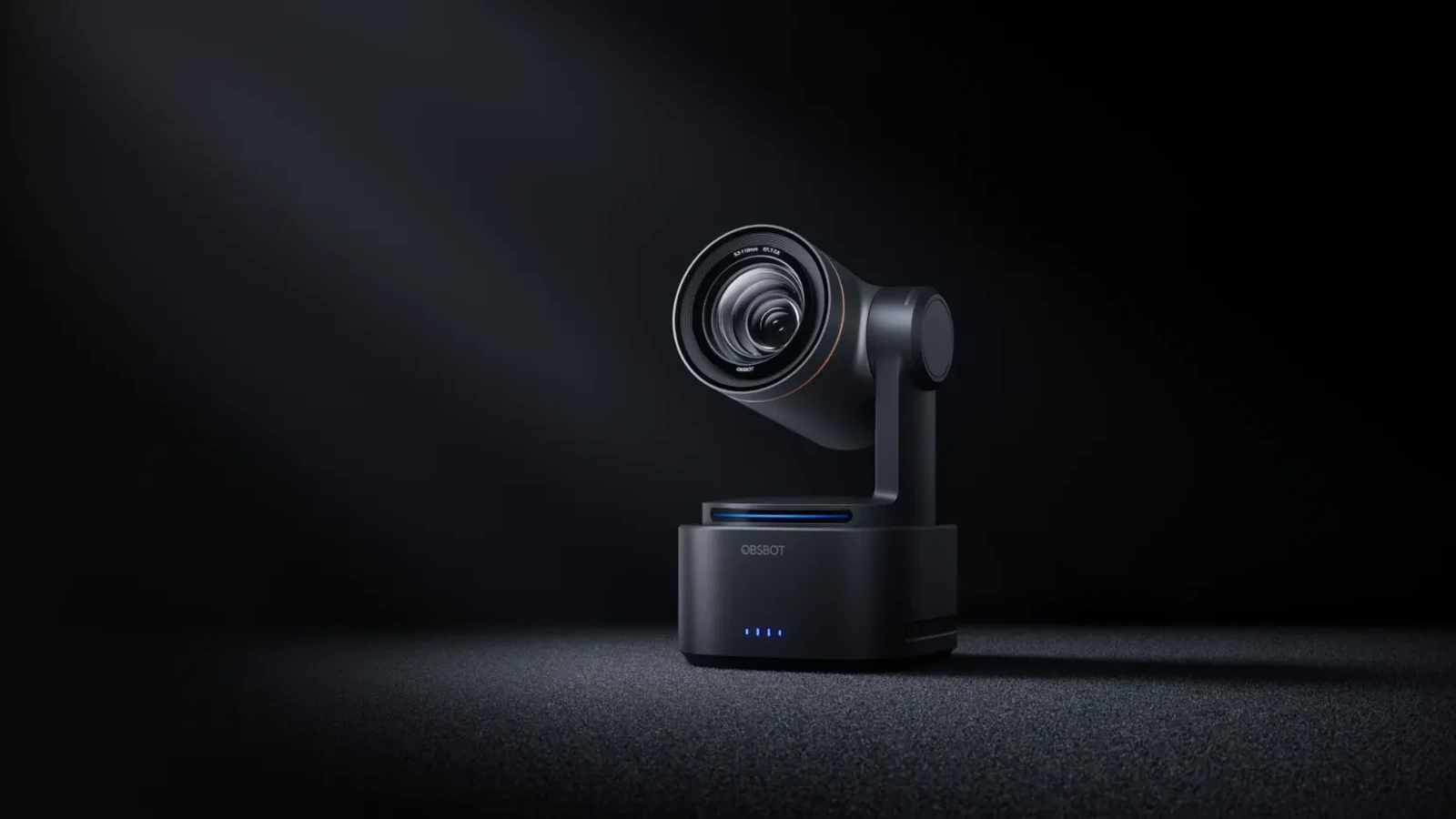
A camera that can follow a speaker across an auditorium while fitting into a professional live setup: OBSBOT has introduced the Tail 2 ADV with 21× optical zoom, 4K/60p and AI Tracking 2.0.
Officially announced on November 19, 2026, the new model expands the Tail 2 family with longer reach, manual iris control, a Log profile and production-oriented connections for multi-camera work.
21× optical zoom and 4K/60p from a fixed position
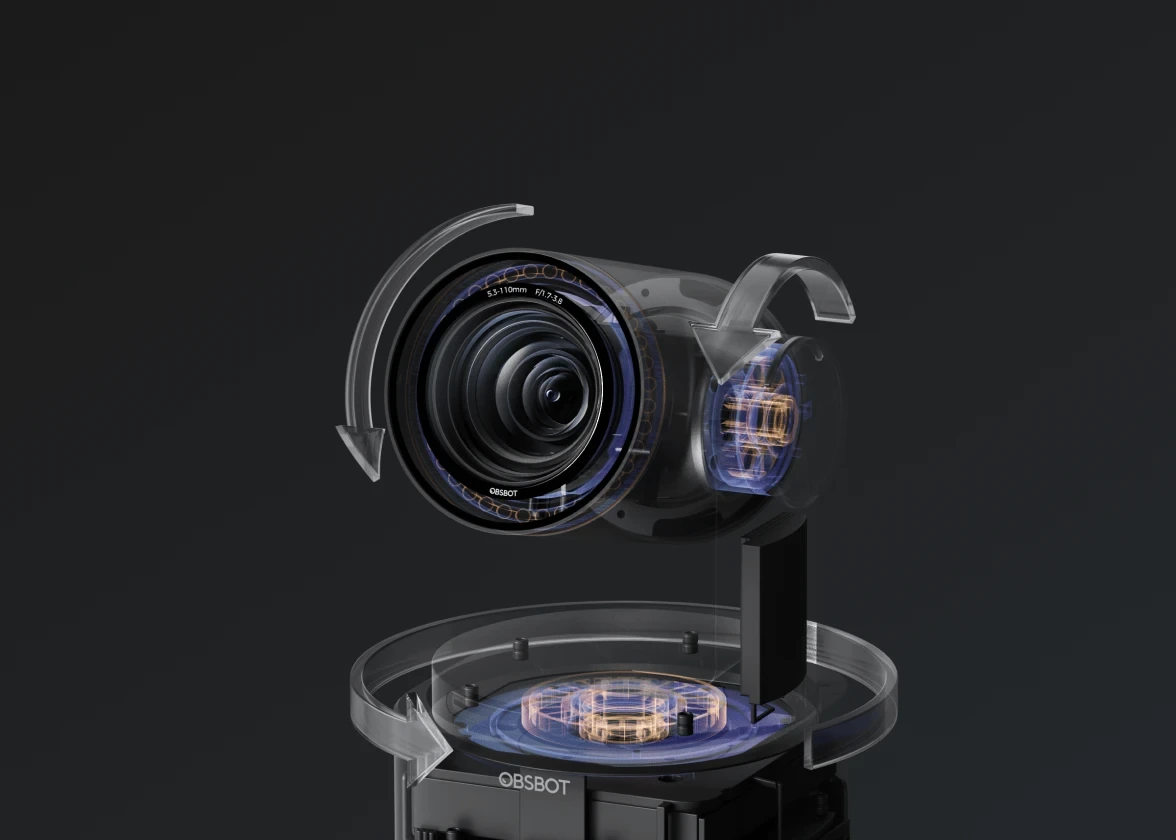
The Tail 2 ADV combines 21× optical zoom with up to 40× hybrid zoom. Its 12-element optical design and custom lens motor are intended to deliver smooth, quiet moves between wide and close-up shots. For concerts, sports and conference halls, a single camera position can cover a wider range of framings without moving a tripod.
A 1/2-inch CMOS sensor with Dual Native ISO records up to 4K/60p or 1080p/120p. OBSBOT specifies AI-ISP noise reduction, All-pixel PDAF and Focus Over Zooming to help maintain focus as focal length changes. HDR is available at 4K/30p with All-pixel PDAF enabled, but not at 4K/60p.
The physical variable aperture ranges from f/1.7 to f/7 at the wide end and from f/3.8 to f/7 at telephoto. Pro Mode enables manual aperture control and independent Auto or Manual settings for ISO and shutter speed.
AI Tracking 2.0 reaches up to 240 metres
According to the manufacturer, AI Tracking 2.0 can follow a selected subject from distances up to 240 metres, compared with up to 95 metres on Tail 2. The system can recognise people, more than 30 animal species and over 200 object categories while adjusting movement and zoom to keep the selected subject framed.
Single-Person Tracking stays with a chosen individual after temporary occlusion or loss of framing, while Group Tracking composes around a primary subject and the surrounding group. Face Framing, Auto Zoom, Zone Tracking, axis locks and six tracking-speed settings provide additional operator control. These are manufacturer-stated capabilities, not results from independent hands-on testing.
HDMI, SDI, NDI HX3 and multi-camera control
A full-size HDMI 2.0 connection outputs up to 4K, while 3G-SDI is limited to 1080p/60. Other connections include Gigabit Ethernet, two USB-C ports, RS-232, separate microphone and line inputs, and microSD support up to 1 TB. This matters when specifying a signal chain: the SDI port does not provide 4K for a 4K live production.
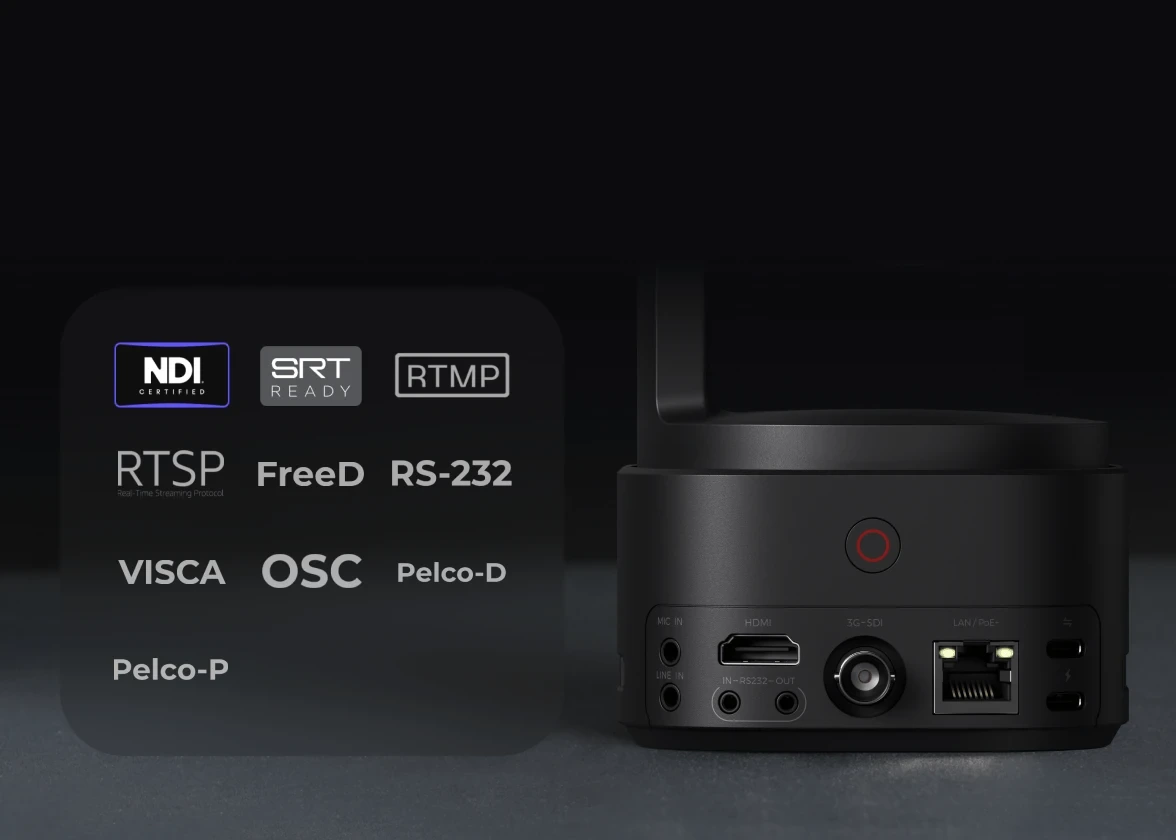
Network video options include native NDI HX3 without an additional activation licence, plus SRT, RTSP and RTMP. VISCA, Pelco-D/P and OSC support remote camera control, while FreeD provides movement and lens metadata for compatible AR/XR systems. PTP network synchronisation, timecode with compatible external hardware, Stream Deck integration and PoE+ power are also supported.
NDI HX3 can be part of a wider production signal chain. For example, the Atomos Shogun AV-19M with NDI HX3 quad-view is a separate device designed to monitor multiple network sources. It should not be confused with built-in video switching on the camera.
OBSBOT Log, LUT previews and unattended shooting
OBSBOT Log is intended to give colourists more grading flexibility, with an official Log-to-Rec.709 conversion LUT. Custom LUTs imported into OBSBOT Center, Obsbot Start or Obsbot Live serve as software previews. The company states that they do not alter the recorded footage or live video output.
The Pan-Tilt-Roll mechanism also enables native vertical recording at up to 4K/60p without sensor cropping, alongside automatic levelling for unconventional mounting. A built-in 5,000mAh battery is rated for up to four hours and 36 minutes, while USB PD 3.0 and PoE+ provide extended power options.
More information here.
Price and availability
Pre-orders opened on November 4, 2026. The US OBSBOT store lists a regular price of $1,599 and a $1,399 pre-order offer, excluding taxes. General availability is scheduled for December 8, 2026. No verified official European price was identified.
What we think
For anyone building a multi-camera setup in a conference room, theatre or sports venue, 21× optical zoom is much more useful than a spec-sheet headline. A camera at the back of a room can deliver a tighter shot without moving crew or running cables to a new position. That is where automated subject tracking could really help a small production team.
The flexibility in video outputs is welcome: HDMI switchers, SDI systems and NDI networks are all supported in some form. But it is worth checking the actual format of each output before buying. The 3G-SDI connection tops out at Full HD, so simply seeing SDI on the specification sheet is not enough for a 4K workflow.
Log recording and LUT previews give operators more colour control, but the 1/2-inch sensor still has different lighting demands from a large-sensor cinema camera. Before committing to this for stage work, we would want to see difficult concert-lighting samples and tracking tests with genuinely moving subjects, rather than only polished demos.
Frequently asked questions
Does the OBSBOT Tail 2 ADV output 4K over SDI?
No. The 3G-SDI port supports up to 1080p/60. HDMI 2.0 provides output up to 4K.
Is an extra activation licence required for NDI HX3?
No. OBSBOT states that NDI HX3 is included natively without an additional activation purchase.
Do custom LUTs change the live feed or recorded footage?
No. Custom LUTs in OBSBOT software are used for preview and do not alter the recorded file or live video output.