Summary
- AI-generated food images in Japan are prompting criticism over the accuracy of restaurant menus.
- An earlier sign showed cheese-like strands in a dish that contained no cheese.
- A November 19 TBS report documents AI being used by a real takoyaki restaurant.
- For photographers and customers, faithful representation of the food remains central.
AI-generated food images are drawing criticism in Japan, where some restaurant advertisements show dishes that do not match what customers can actually order.
The debate returned to the spotlight on November 19, 2026, with a TBS report on AI-generated restaurant menus and promotional images. The central question is straightforward: what exactly are customers buying when the picture is not a faithful representation of the food?
The ad that added cheese to a dish without cheese
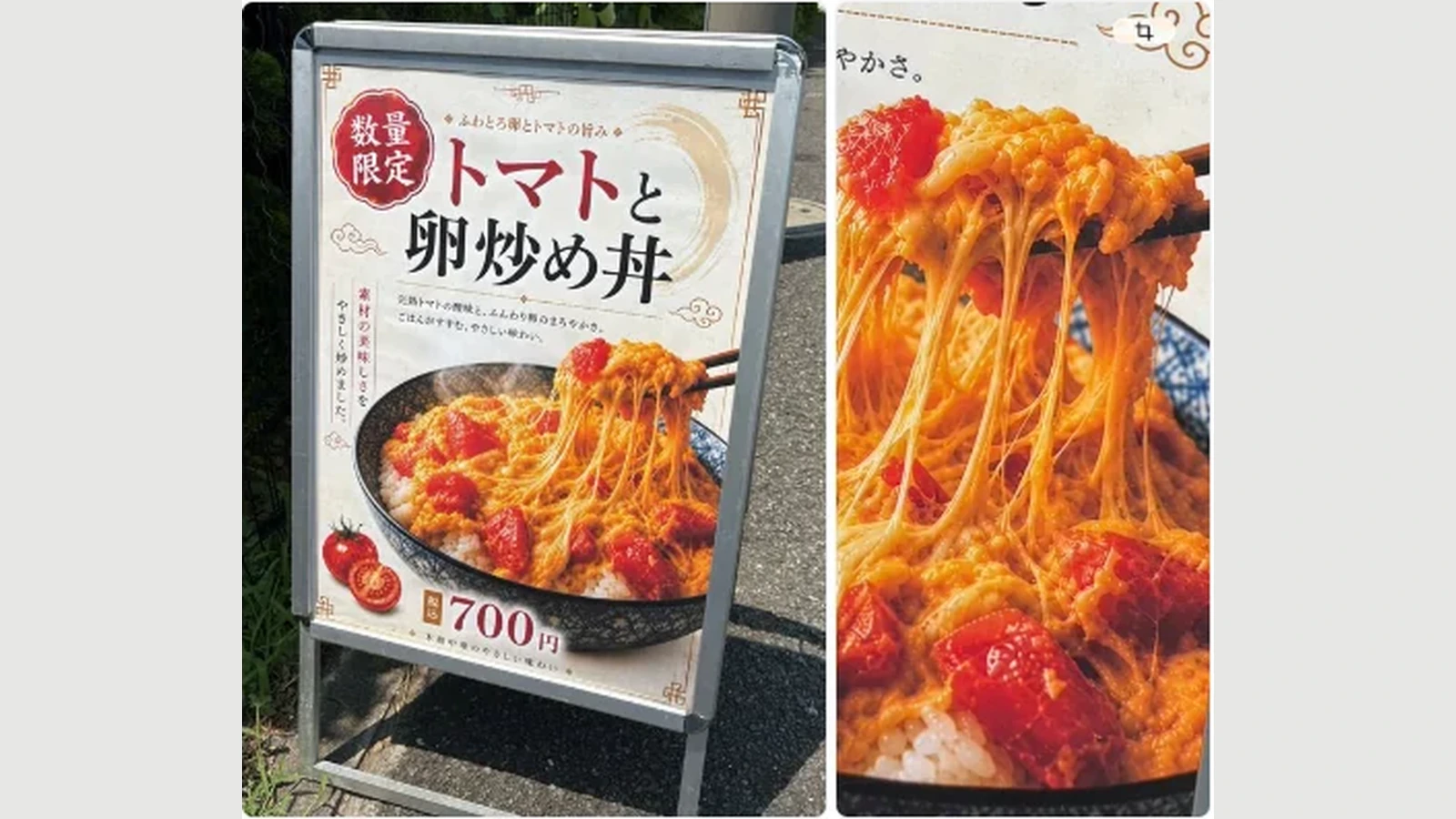
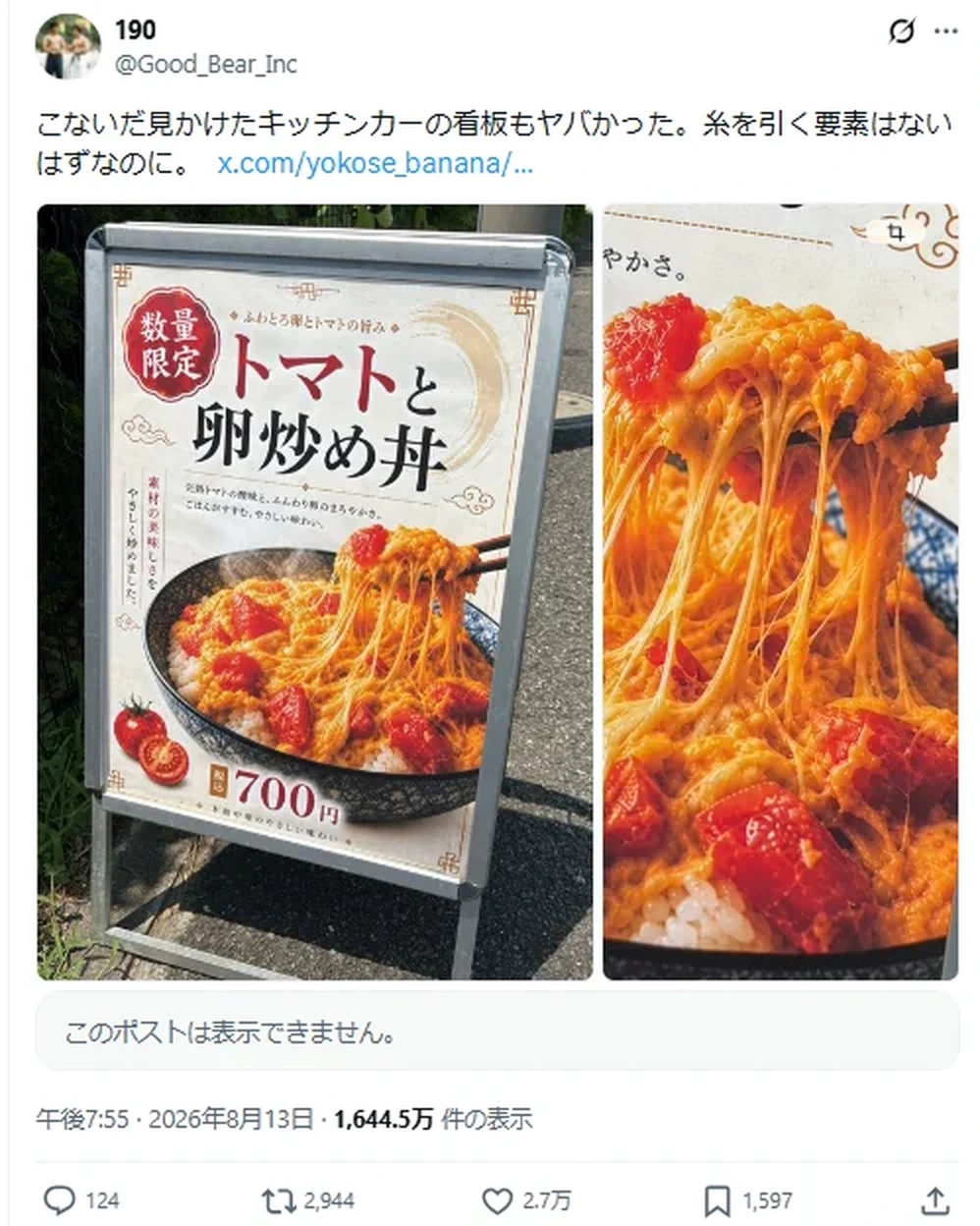
An incident that went viral in August offers a striking example. A GOTOU kitchen car sign promoted a rice bowl with tomato and egg. Long, stretchy strands rose from the food, giving the impression of melted cheese.
But the dish contained no cheese. An image of the sign was posted on X by 190 (@Good_Bear_Inc) on August 13, 2026, prompting widespread discussion. The vendor later acknowledged using an AI-generated image, apologized for the misleading impression, and said it would replace it with real photographs.
TBS documents the use of AI in real restaurant menus
The new TBS report includes En Dako, a takoyaki restaurant in Hamamatsu, Japan. Its manager explains that the team previously photographed dishes and assembled menu graphics themselves but now uses AI tools to produce promotional materials.
AI can easily add visual effects such as steam, shine and a more dramatic presentation. That can save a small business time, but it also raises the question of whether the customer is being shown the food that will actually arrive at the table.
Where does enhancement end and misrepresentation begin?
Adjusting lighting and color in a genuine photograph is different from adding ingredients that are not in the recipe. In the latter case, the image stops being a reliable visual description of the product. Even an attractive result can create expectations the kitchen cannot meet.
The distinction matters on food delivery platforms too. Uber Eats has introduced AI tools to enhance menu photographs, including adjustments to lighting and backgrounds. What matters to customers is that those edits do not turn the actual dish into something the restaurant does not serve.
What this means for professional photographers
Food photography is not only about making a dish look appetizing. Styling, lighting, composition and review all help produce an attractive image that remains faithful to the food. A cheap image generator does not automatically take responsibility for accuracy.
Photographers also face a separate question over how their work is used, as illustrated by the legal dispute involving food photographers and Uber Eats images. The AI discussion therefore concerns both advertising accuracy and the value of professional photography.
What we think
If a restaurant sells tomato and egg, it should not advertise cheese that is not there simply because an AI system made the picture more dramatic. Customers are not choosing a piece of fantasy art. They are deciding what to eat and pay for.
For photographers, this is a reminder of the work that happens before pressing the shutter: understanding the dish, lighting the real ingredients and delivering an image that works as both advertising and an accurate description. AI can help with parts of the workflow, but the final review cannot be optional.
Small restaurants have genuine reasons to save time and money. Yet a straightforward, well-lit smartphone photograph can be a better choice than a spectacular synthetic image showing ingredients that will never appear on the plate.
Frequently asked questions
Was the photo showing nonexistent cheese posted recently?
No. That particular post dates to August 13, 2026. The newer development is the TBS report on the wider use of AI-generated imagery in Japanese menus, published November 19, 2026.
Is improving a real photograph the same as inventing a dish?
No. Adjusting lighting, exposure or backgrounds can preserve the actual ingredients. Adding ingredients or features that do not exist changes the information the advertisement gives the customer.