Summary
- VSCO has ruled out training generative AI on creators’ photographs.
- The commitment covers public and private work.
- It applies to free and paying users alike.
- Non-generative AI tools remain available on the platform.
VSCO has updated its artificial intelligence policy to explicitly state that it will not use photographers’ content to train generative AI models.
Effective November 10, 2026, the commitment covers both public and private creator content. Crucially, it applies to free accounts and paying subscribers alike.
The clarification follows concerns raised earlier this year about the company’s previous terms of use.
What changes under VSCO’s policy
VSCO has revised its Creator Content Standards to explicitly rule out using creator content to develop, train or improve AI and machine-learning models for generative purposes.
The protection extends to publicly shared photographs and other work as well as private creator content within its services.
Free users receive the same protection as Plus and Pro subscribers. The previous standards distinguished between those groups, allowing public content from free accounts to be used for generative AI training.
Why the wording needed to change
In May 2026, photographers questioned broadly worded terms that appeared to allow VSCO to use certain creator content to develop and train AI systems.
Particular concerns surrounded licensing language relating to people’s names, images, voices and likenesses appearing in uploaded content, alongside references to AI training.
VSCO said at the time that it was not using photographers’ work for this type of training, but the written terms left room for confusion.
On November 10, CEO Eric Wittman wrote to users saying photographers deserved a clear answer about how their work is treated on the platform.
VSCO is not abandoning artificial intelligence
The change does not mean VSCO will stop using artificial intelligence or machine learning. It distinguishes generative systems that produce new images or video from tools that assist photographers.
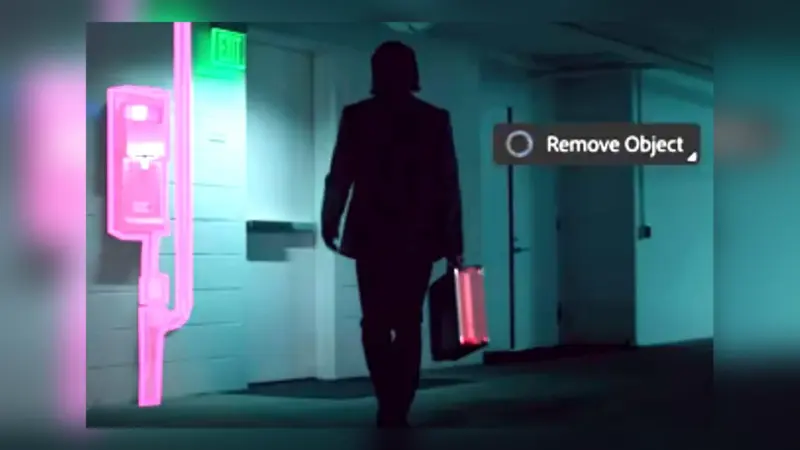
Non-generative uses include search, creator discovery, recommendations and photo-editing features.
That distinction also resonates with VSCO’s research into AI adoption among photographers, which found that 83% of respondents already used AI tools.
What about third-party AI providers?
VSCO says the commitment also applies to outside AI providers supporting its services.
According to Eric Wittman, those providers have already agreed not to train generative models on content submitted through VSCO.
That matters to professionals editing or sharing client photographs through online services. The announcement does not publish independent audit results covering those agreements.
What we think
This should be a basic expectation. Uploading images to edit, showcase or market our work should not automatically turn those photographs into training material for systems that generate new images.
The strongest part of the decision is that VSCO no longer reserves that protection for subscribers. Keeping our work out of generative training should not be a benefit that photographers have to purchase.
It also makes sense to distinguish AI that helps photographers work from AI trained on photographers’ work to make new content. Those are materially different uses.
For portrait, wedding and commercial photographers, platform terms also affect the trust of the people they photograph. More photography services should be just as explicit about what happens to creators’ work.
Frequently asked questions
Can VSCO use my photos for generative AI training if I have a free account?
Under its policy effective November 10, 2026, no. The commitment applies to free users and subscribers alike.
Are private photographs included?
Yes. The updated wording explicitly covers public and private creator content.
Is VSCO removing AI from its apps?
No. The service continues to use machine learning and non-generative AI for search, recommendations, creator discovery and photo editing.