Summary
- Adobe is supporting ten filmmakers with a combined $1 million in direct grants.
- Their projects include narrative features, documentaries, shorts and student films. Nominees were put forward by industry organizations through a process overseen by the USC Annenberg Inclusion Initiative.
- A new advisory board will help guide the programme.
Adobe has selected ten filmmakers to receive a combined $1 million in direct grants, backing independent narrative features, documentaries, short films and student productions.
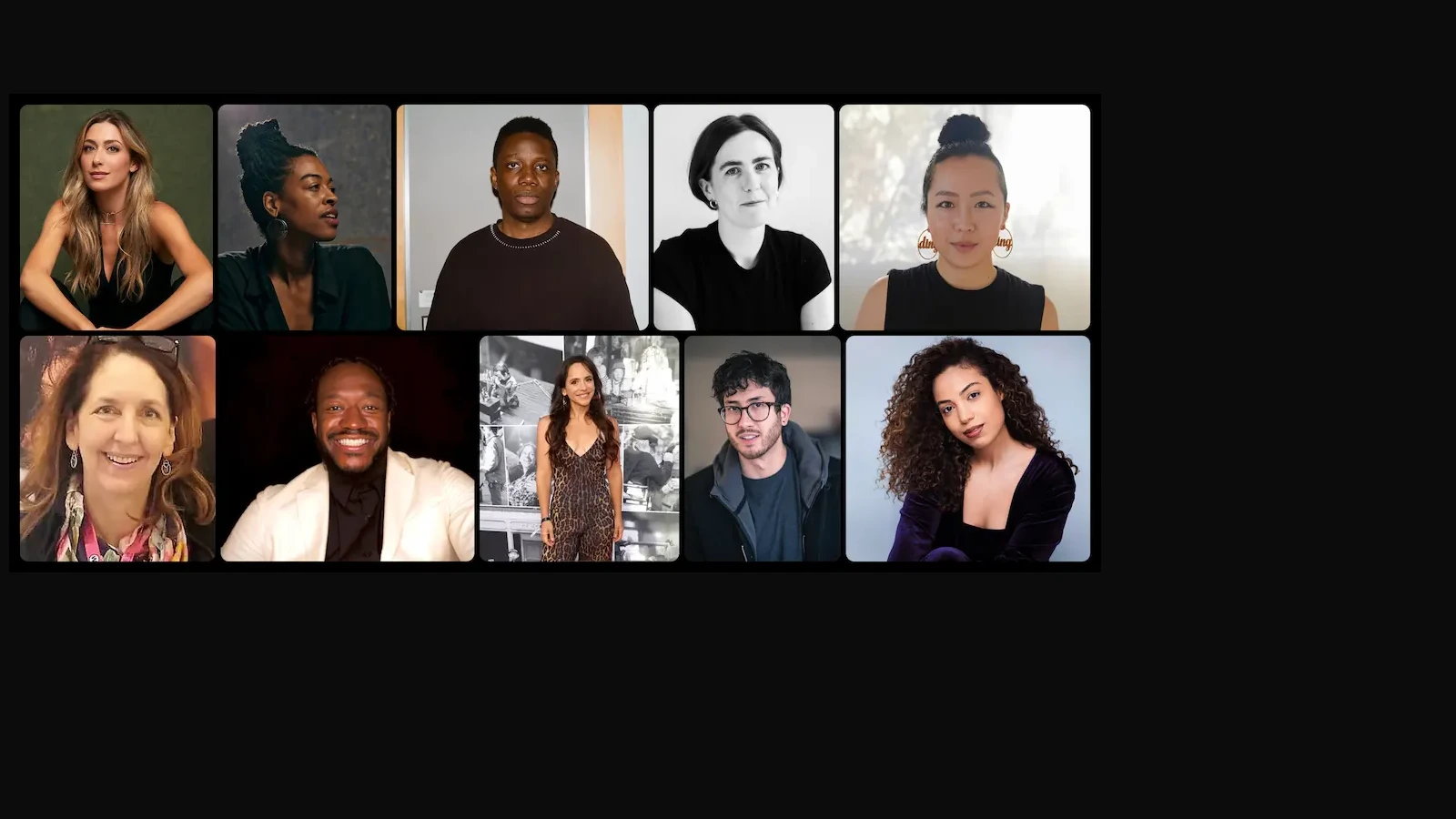
The first direct-grant cohort of the Adobe Film & TV Fund was announced on November 9, 2026. These are ten named film projects, not an open application call. Adobe also unveiled a new advisory board featuring industry figures including Lena Waithe and Reggie Hudlin.
The ten filmmakers and their projects
The selection spans four areas of filmmaking, from feature-length stories to student work. These are the recipients and films named by Adobe:
Narrative features
Austin Osanai Everett is developing Akiya, a horror feature starring Karen Fukuhara and Robbie Amell about a couple whose new home in rural Japan is haunted. Lara Everly is behind Reconstructing Charlie, adapted from her short film, about a woman facing an early breast cancer diagnosis.
Documentary features
Sue Ding explores the Asian American teenagers who shaped Southern California’s 1990s import-car scene in Rice Rocket Revolution. In Fringe, Molly Gillis follows American comedians staging solo shows at the Edinburgh Fringe Festival.
Short films
Jasmine J. Johnson is making BREAK, about a young surfer whose painful accident goes viral without her consent. Gabriela Garcia Medina directs Cuqui, following an upbeat Uber driver saving to reunite her family in the United States.
Maria Burton examines the story of Jerrie Cobb, one of the first women tested for spaceflight, in How High the Moon. Spencer Jamison explores grief and family relationships in Numina, about a musician who inherits her grandparents’ home.
Student films
NYU Tisch student Djibril Keita is making Verified, about a delivery driver who is locked out of his work app after an accident changes his face. Chapman University MFA directing candidate Olajide “Kay” Hamed is developing Dinner at the White House, about Booker T. Washington’s historic 1901 dinner with Theodore Roosevelt.
How they were chosen and what they receive
Filmmakers were nominated by industry and community organizations through a process overseen by the USC Annenberg Inclusion Initiative. Adobe selected the recipients with input from the advisory board. The company did not disclose each project’s individual award, so the combined $1 million should not be interpreted as ten equal $100,000 grants.
Recipients also receive access to Adobe tools, including Premiere for editing and Firefly for AI-assisted visual creation and editing. Since launching in 2024, the Film & TV Fund has supported more than 1,000 creators through financial support, fellowships, mentorship and access to professional software, according to Adobe.
The grants form part of Adobe’s broader 2026 commitment of nearly $10 million in grants and donated products. These are different figures: the $1 million announced here refers specifically to direct grants for the ten selected filmmakers.
The new advisory board
The board comprises Jon Mone, Kerstin Emhoff, Lena Waithe, Phil Sun, Reggie Hudlin, Sophia Rzankowski, Stacy L. Smith, Stacy Martinet and Stacey Walker King. Their backgrounds span production, talent representation, inclusion research and creative leadership. Adobe says the board will help guide the fund, while the company retains final responsibility for funding decisions.
Why this matters for independent filmmakers
This selection reaches filmmakers at different stages, from film students to established emerging voices with festival experience. In Greece, the Onassis Big Short Films programme offers one model for supporting short-film production, while EKKOMED’s international co-production funding illustrates another route for filmmakers seeking backing.
What we think
Anyone who has tried to get an independent film off the ground knows why direct production funding matters. A strong script and a committed crew can only go so far without money for the shoot, sound, post-production and finishing.
The range of stories is encouraging, too. From a delivery worker dependent on an app to a personal accident becoming unwanted public spectacle, these films are not ten variations of the same safe idea. Their genres, voices and creative risks genuinely differ.
It would be useful to know how the grants are divided and what the agreements cover for each film. Those details help filmmakers judge what a programme can realistically fund. Adobe’s connection to its own tools is unsurprising; what matters most is that creative decisions remain with the filmmakers.